
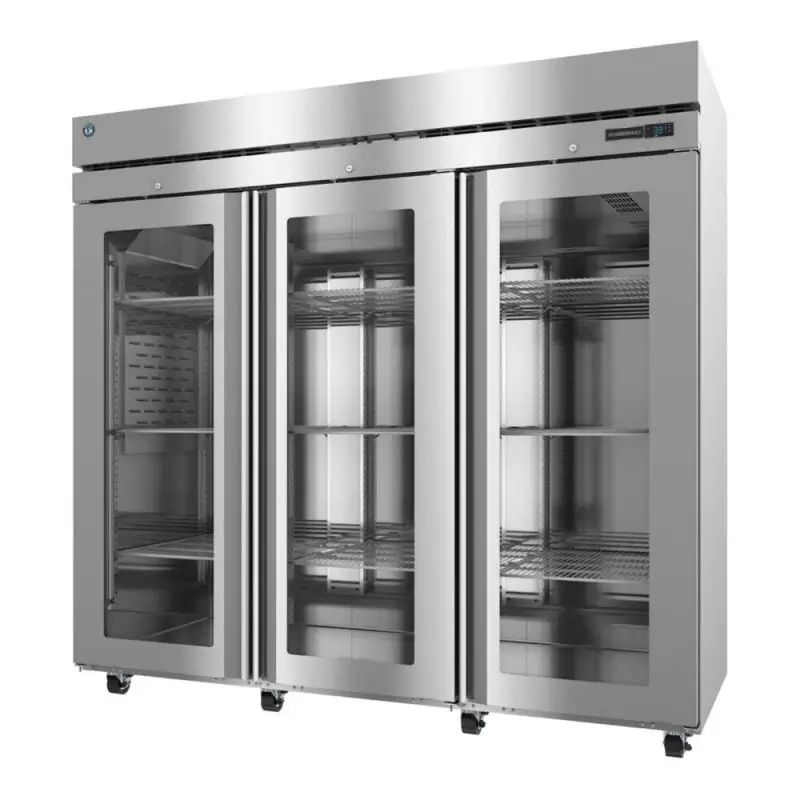
What Does 304 Stainless Steel Mean in a Commercial Refrigerator?
A Commercial Kitchen Refrigerator made from 304 stainless steel contains 18% chromium and 8% nickel. Those metals form a protective surface that withstands moisture, chemicals, and temperature swings common in busy foodservice kitchens. The steel also holds its shape when exposed to acidic cleaners, salt, or long periods of humidity.
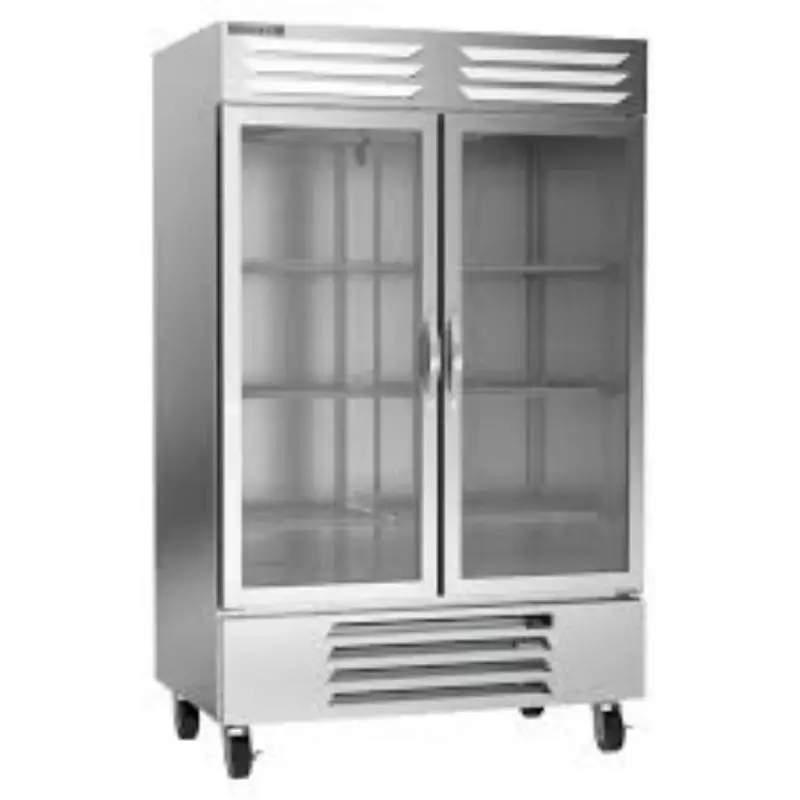
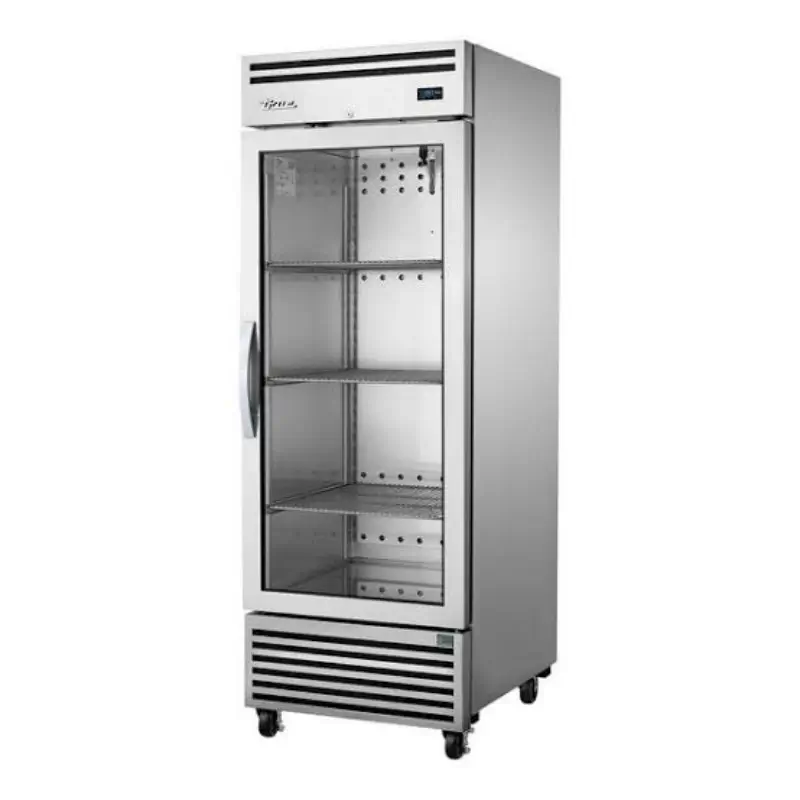
Restaurant owners and kitchen managers often choose this alloy because it resists rust and stays easy to sanitize, helping facilities meet health-code requirements across jurisdictions.
Drawbacks of Standard Commercial Refrigerators
Easy Corrosion in Humid Environments
Many standard refrigerators rely on inexpensive steel or coated metal, both of which can deteriorate quickly in damp conditions. That problem is especially common in walk-in coolers, food-preparation areas, and dishwashing spaces, where moisture hangs in the air. Once water vapor gets beneath the coating, oxidation starts inside the metal. After only a few months, stains can appear near door seals, hinges, and drains.
Rust Damage Shortens Service Life
Rust seldom remains a minor defect. Once it spreads, it can weaken panels and supports, forcing the equipment to be replaced sooner than expected. A Commercial Refrigerator showing visible rust also creates a business risk: a breakdown during peak hours stops service, and the resulting downtime cuts into revenue.
Hygiene and Safety Risks From Rust
Rusted surfaces can contaminate food. Flaking metal may fall into it, while corrosion leaves rough areas that ordinary cleaning might not fully clear of bacteria. If equipment fails sanitation requirements, the establishment could face violations, fines, and reputational damage.
Advantages of 304 Stainless Steel Refrigerators
Long-Lasting Protection Against Moisture
304 stainless steel protects itself with a thin chromium oxide film. If the surface gets scratched, the film reforms rather than leaving the metal permanently exposed, helping block moisture as humidity changes. In a Commercial Kitchen Refrigerator, this slows wear over years of service while preserving its appearance and performance.
Sturdy Build With Low Maintenance
The alloy keeps its form and shrugs off dents, which means operators do fewer repairs and touch-ups. A rinse with water and mild detergent is enough; there’s no need for specialty polish or a protective coating. That cuts labor costs while keeping the equipment ready for inspection.
Food-Safe Surface for Easy Cleaning
304 stainless steel gives the refrigerator a smooth, non-porous interior that will not react with food. Bacteria have fewer places to collect, while acidic ingredients are less likely to leave permanent stains. Staff can wipe it down between shifts, and odors or flavors are less likely to carry over to the next dish.
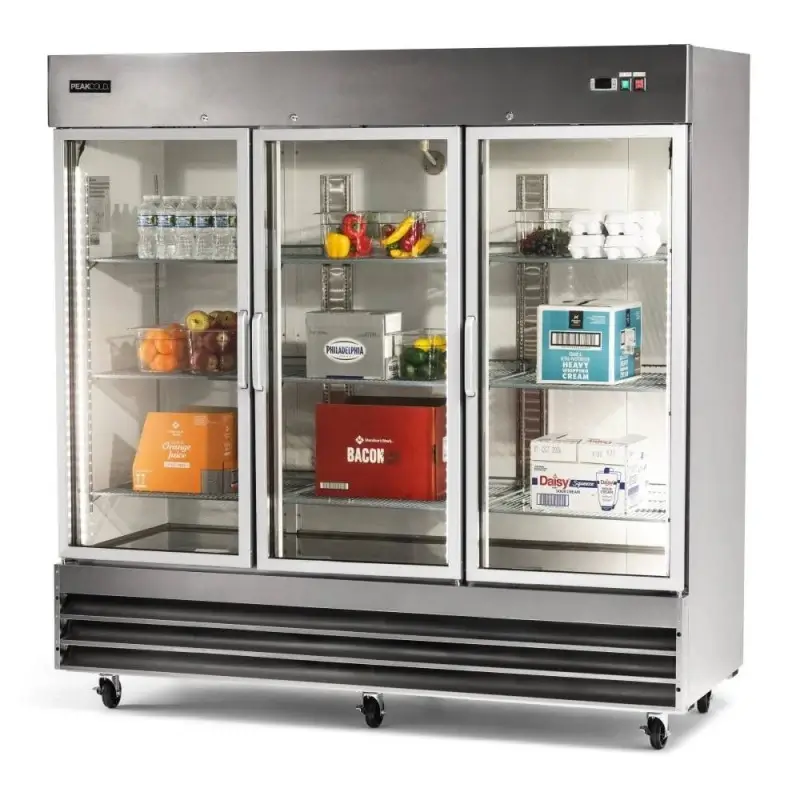
304 Stainless Steel vs. Standard Refrigerator
Choosing the right material directly impacts how long your refrigerator lasts and how much it costs to maintain. The table below compares 304 stainless steel with standard materials across six key factors that matter most in a commercial kitchen.
| Feature | 304 Stainless Steel | Standard Materials |
| Corrosion Resistance | Withstands high humidity and resists rust effectively. | May begin oxidizing within 6–12 months. |
| Maintenance | A regular wipe with ordinary detergent is usually enough. | Often requires protective coating to be reapplied. |
| Hygiene | Non-porous surface resists bacterial buildup. | Chipped coatings can lead to contamination risks. |
| Lifespan | 15–20+ years with proper use. | Typically needs replacement after 5–8 years. |
| Initial Cost | Higher upfront purchase price. | Lower initial cost. |
| Total Cost of Ownership | Lower repair and replacement costs over time. | Higher overall cost due to frequent maintenance cycles. |
Choosing the Right Material
Check the Grade and Certification
Stainless steel comes in different grades. Check for a label such as “304 grade” or “18-8 stainless steel,” then request the mill certifications from the manufacturer. Grade 201 can look nearly identical to 304, but it costs less and corrodes more easily, so mislabeled material does turn up. Reputable Commercial Reach In Refrigerator manufacturers should be able to provide documentation confirming the grade.
Look for established quality markers: NSF certification for foodservice equipment, a UL or ETL electrical safety listing, and a written warranty that covers corrosion defects. The manufacturer should also be known for dependable commercial equipment.
Capacity and Kitchen Layout Fit
Check more than the refrigerator’s footprint. It also needs to fit through the kitchen’s working routes. Begin with the door swing, then measure nearby walkways to ensure staff can open the door without blocking passage during busy periods.
Shelves that can be repositioned fit containers and products of varying sizes, leaving less unused space. Separate compartments keep different foods at their recommended temperatures, and an ENERGY STAR-certified model may lower operating costs.
Size matters. A freezer that is too small pushes staff toward backup storage and slows kitchen work; one that is too large can lead to needless stockpiling. Before buying, assess peak storage needs, delivery schedules, and whether employees can reach the shelves easily. The unit must also meet ADA requirements for accessible commercial facilities.
Final Thoughts
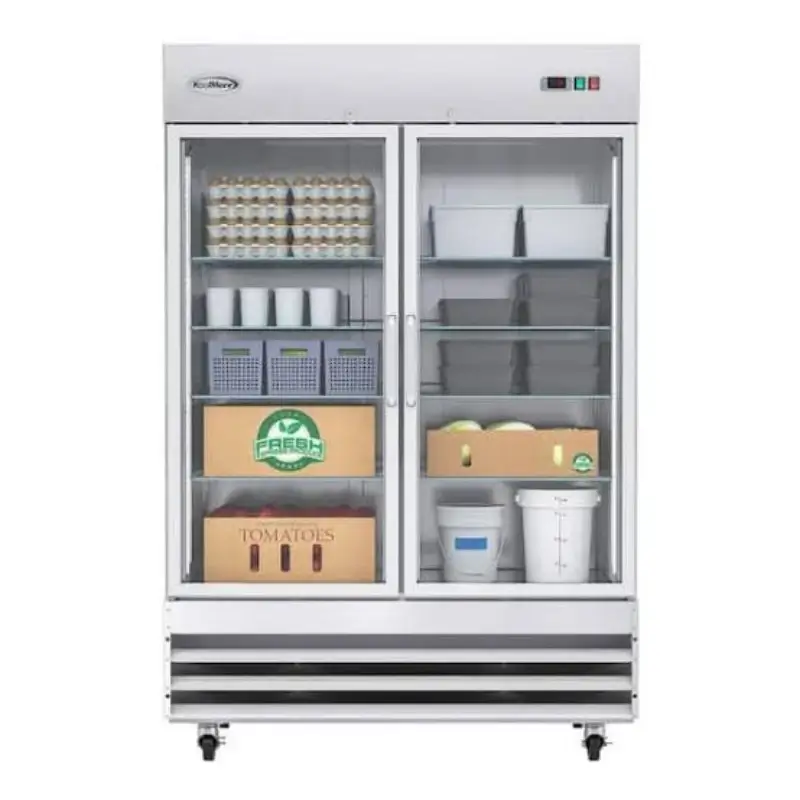
A commercial refrigerator built with 304 stainless steel protects food while helping control operating costs. It withstands humidity, chemical cleaning, and constant use without rusting easily, reducing equipment failures and keeping its cooling performance dependable.
The initial price may be higher, but lower maintenance and replacement costs can close the gap. Reliable performance during health inspections matters just as much, especially in facilities that face constant use and demanding hygiene rules. Check each model’s steel grade and certifications, and base the decision on total ownership cost—not just the sticker price.
A failed appliance can disrupt a busy commercial kitchen almost immediately. That is why many operations rely on durable 304 stainless steel.
Frequently Asked Questions
Q: How long can a 304 stainless steel commercial refrigerator last?
With routine maintenance, it can operate for 15–20 years or more. Standard models usually need replacement after 5–8 years.
Q: Are regular household cleaners safe for a 304 stainless steel refrigerator?
Diluted mild detergent is enough. Skip abrasive pads and chlorine bleach; repeated use can wear down the protective chromium oxide layer.
Q: For a small restaurant, does 304 stainless steel justify the higher upfront cost?
Yes, the initial cost runs higher, but the equipment tends to last longer and needs less maintenance. Restaurants therefore replace it less often. In humid commercial kitchens, dependable performance can also make health inspections easier.