
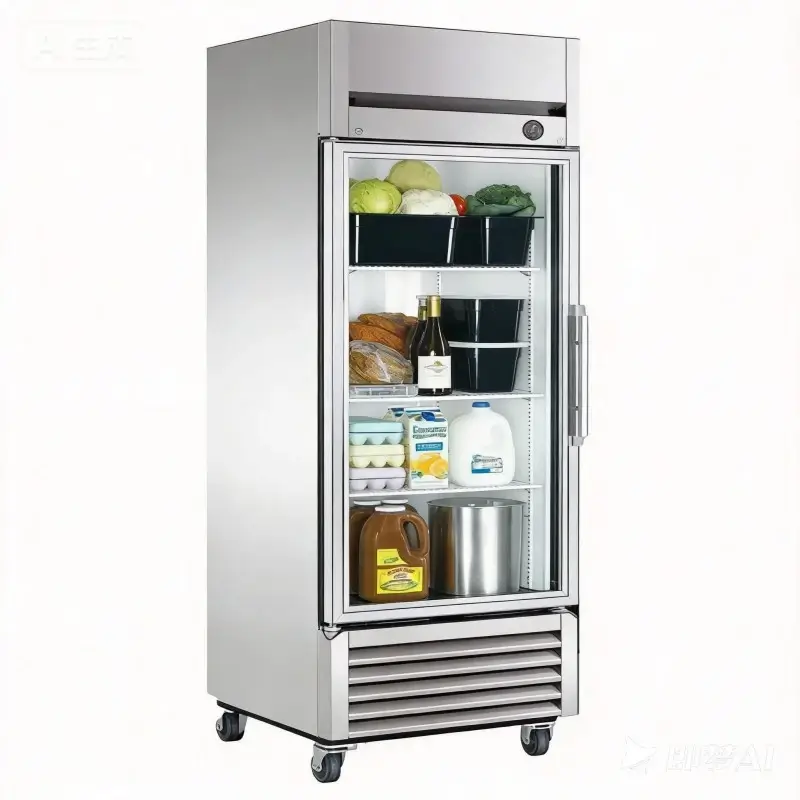
Choosing a Commercial Kitchen Refrigerator deserves careful thought. The right unit keeps ingredients safe, supports a smooth workday, and may reduce operating costs over time. The wrong one can lead to spoiled food, compliance issues, and unexpected repair bills. This guide covers the refrigerator types, features, and buying considerations relevant to restaurants, hotels, caterers, and institutional kitchens.
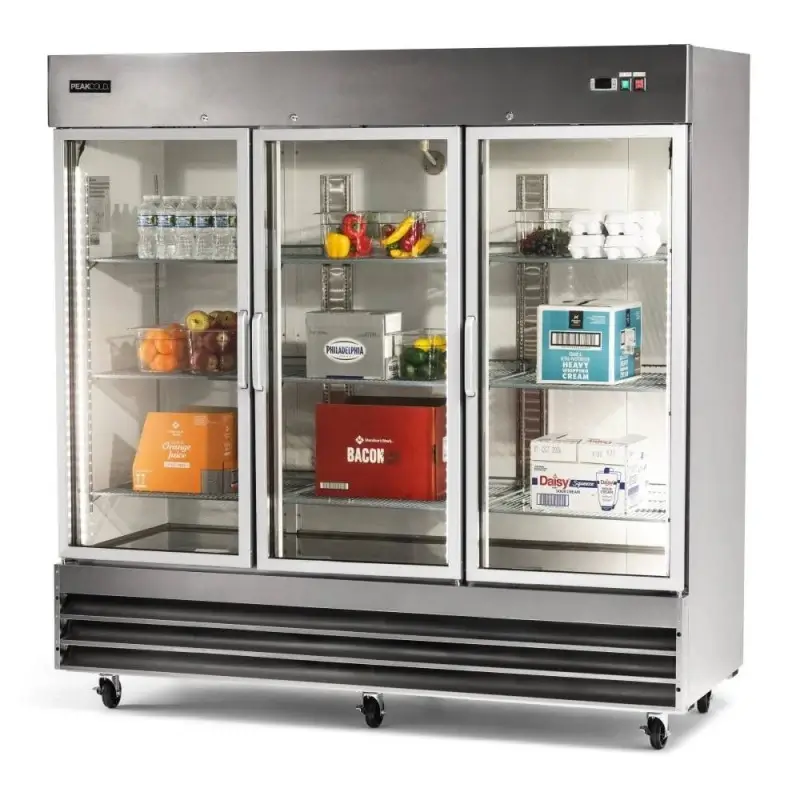
Why Choosing the Right Refrigerator Matters
Food safety starts with reliable cold storage. Health inspectors often cite temperature violations as a major reason restaurants shut down. A dependable Commercial Refrigerator maintains consistent temperatures on every shelf, keeps perishable food safe, and helps the business comply with food safety codes.
A refrigerator sets the pace of a kitchen. During one shift, staff might open it dozens of times, making quick temperature recovery, durable construction, and a space-conscious design essential. Choose it as part of the operation—not merely as another purchase—and you’ll likely face fewer breakdowns, waste less food, and spend less on energy over time.
Common Problems After Choosing the Wrong Refrigerator
The error may not show itself until repairs are needed, food goes bad, and expenses start climbing. Recognizing where poor choices cause trouble can save food service operators from repeating an expensive mistake.
Unstable Cooling From Wrong Model Selection
A refrigerator needs enough capacity for the kitchen’s demands and surrounding heat. When it doesn’t, temperatures swing and perishable food—particularly dairy, seafood, and fresh produce—can deteriorate fast. Poor insulation or insufficient size also forces the compressor to run nearly without stopping, leading to uneven cooling and earlier mechanical wear.
Poor Performance Slows Kitchen Workflow
A refrigerator that falls behind the demands of a busy kitchen can disrupt the whole shift. Cramped shelves, poorly arranged compartments, and doors that take too long to regain temperature all create delays when staff are under pressure. Minute by minute, those interruptions add up, frustrating employees and putting food preparation behind schedule. Reliable cooling matters, but so does a layout that lets people reach what they need quickly.
Low-Quality Units Drive Up Operating Costs
The cheap option often costs more later. A weak compressor uses extra electricity, and thin steel can dent easily before rust sets in, especially in a humid kitchen. Frequent repairs—or an early replacement—can wipe out whatever was saved at purchase. In commercial food service, the total cost of owning the equipment matters more than its sticker price.
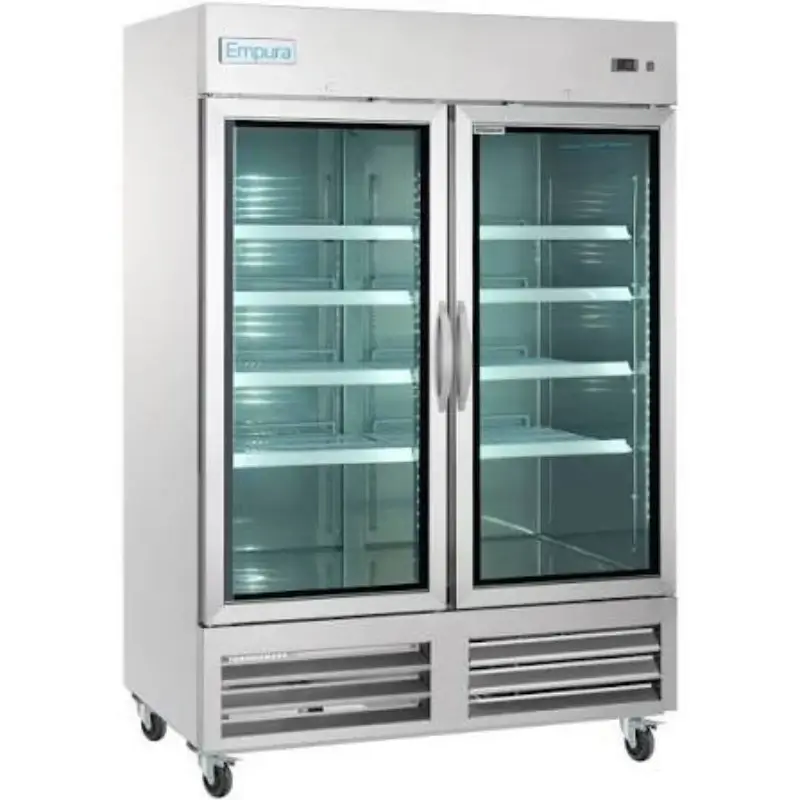
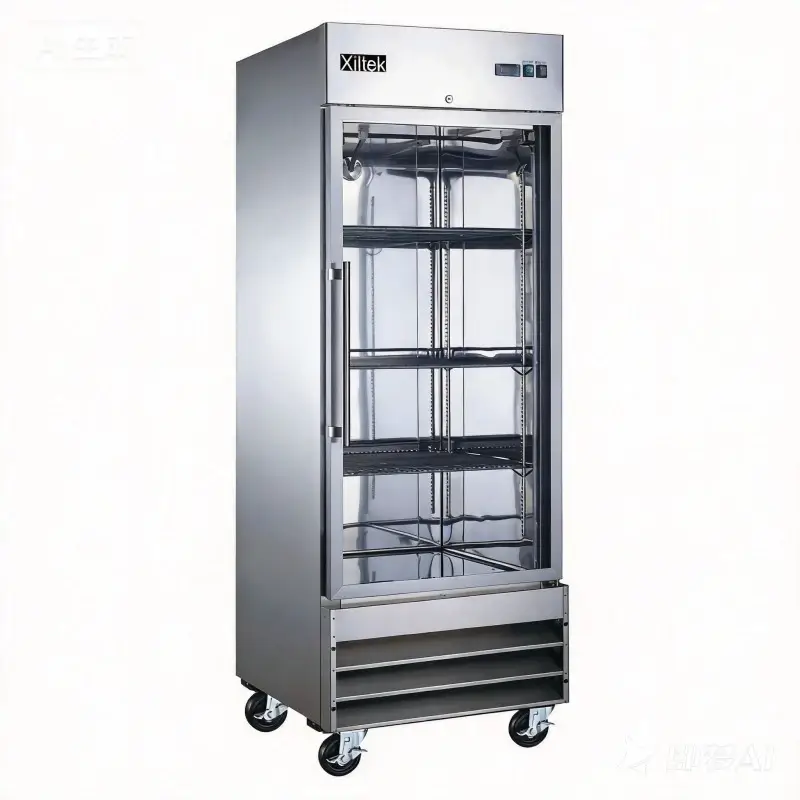
Main Types of Commercial Refrigerators
The right refrigerator depends on the kitchen’s size, storage needs, and daily workflow. These are the models you’ll see most often.
Glass Door vs. Solid Door
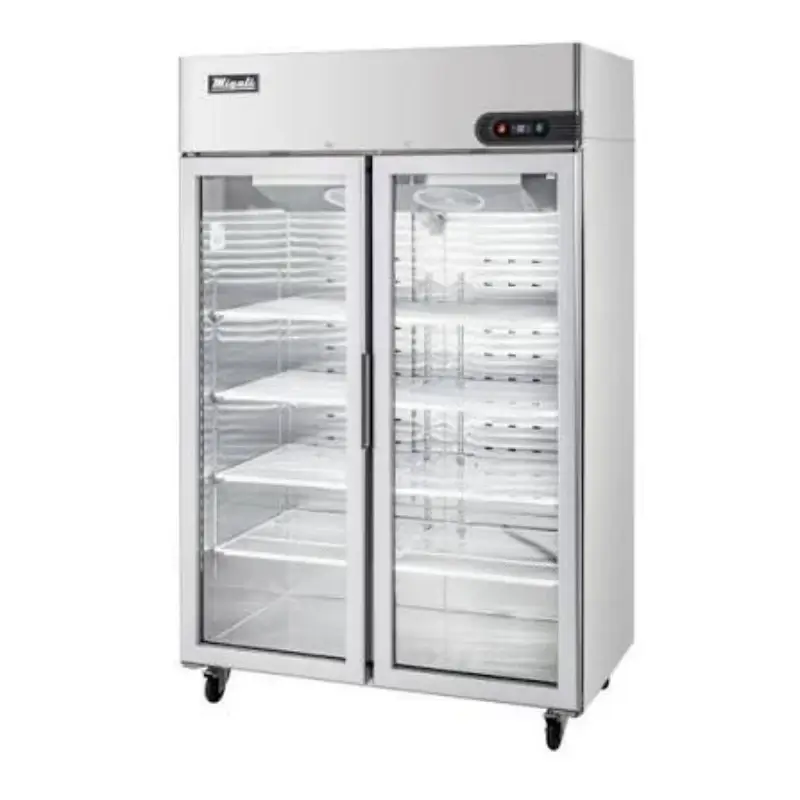
Through a glass door, staff can check the contents without opening the unit, so less cold air escapes. That makes this design practical in busy kitchens and front-of-house areas where people need supplies quickly. In back-of-house storage, solid doors are often the better choice because they provide stronger insulation and consume less energy when staff do not need to see inside.
Reach-In vs. Walk-In
For most small and midsize kitchens, a commercial reach-in refrigerator offers plenty of room. Its upright shape saves floor space, and multiple shelves keep ingredients easy to sort and access. Large catering facilities and institutional dining halls may need a walk-in cooler to hold bulk supplies. That option costs more to install and run, so it makes financial sense only when the kitchen stores enough inventory to warrant the added capacity.
Undercounter and Prep Table Options
Undercounter refrigerators slide beneath prep stations, keeping frequently used ingredients within easy reach during service. Prep-table models place cold storage under the work surface, giving cooks one compact area for both preparation and refrigeration. In a tight kitchen, either option saves floor space and reduces unnecessary movement.
Key Features to Check
After deciding which style suits your kitchen, compare the details that separate reliable refrigerators from frustrating ones.
Temperature Control and Even Cooling
Temperature checks should take only a moment when the display is easy to read. Look for forced-air cooling, which distributes cold air across every shelf instead of leaving warm or overly cold areas. Those uneven temperatures often signal poor airflow and lower-quality construction. The best commercial kitchen refrigerators hold the set temperature within ±1°F, even with frequent door openings.
Build Material and Durability
Stainless steel is a practical choice for commercial kitchens and the areas around them. It resists corrosion, cleans up quickly, and stands up to the punishment of daily use. Shelving needs that same attention; strong, adjustable units carry working loads more reliably than flimsy wire racks.
Energy Efficiency and Certifications
Over time, an energy-efficient model can substantially lower electricity costs. ENERGY STAR certification provides a reliable benchmark, and features such as efficient compressors, LED lighting, and self-closing doors can trim monthly utility bills. For businesses running multiple units, even small savings on each appliance accumulate quickly.

Practical Buying Criteria and Common Mistakes
The right purchase handles the kitchen’s current demands without causing problems down the road.
Sizing and Capacity by Kitchen Scale
Base refrigerator capacity on the kitchen’s actual workload. Too much capacity wastes money, while too little can strain performance. Use this general guideline:
A small café or food truck typically needs 10–20 cu. ft. of capacity.
Mid-size restaurants generally fall in the 40–55 cu. ft. range.
Large institutional kitchens need at least 70 cu. ft. Walk-in storage is often added as well.
During peak season, inventory needs may rise. Plan for roughly 10–15% above the baseline capacity estimate.
Budget vs. Long-Term Value
The lowest price tag does not always mean the lowest cost. Check how much electricity the unit uses, what maintenance it requires, how long it is expected to last, and what the warranty covers. Over five years, a mid-range Commercial Refrigerator with a strong energy rating and reliable warranty support often costs less than both budget and premium models.
Common Mistakes to Avoid
Heat affects performance. If the refrigerator will sit in a hot area, choose a model with a stronger condenser.
The door layout matters as well. At a two-cook station, one door can cause unnecessary congestion.
Read the warranty before purchasing. Coverage varies widely, and that difference can affect future repair costs.
Check the voltage requirements before installation.
Refrigerator Type Comparison at a Glance
| Feature | Reach-In Refrigerator | Walk-In Cooler | Undercounter Unit |
| Best Use | Everyday kitchen storage | Large-volume storage | Prep areas or compact kitchens |
| Capacity | 20–80 cu. ft. | 100+ cu. ft. | 5–15 cu. ft. |
| Installation | Ready to plug in | May require construction | Designed to fit beneath counters |
| Energy Consumption | Moderate | High | Low |
| Cost | $$ | $$$$ |
Use this table for a quick comparison, then match each option to your kitchen’s workflow and the space you have available.
Maintenance Tips for a Longer Service Life
Even well-made equipment needs regular attention. A few minutes of care each day can prevent small faults from becoming expensive repairs.
Daily Cleaning Routine
Wipe down the handles and door gaskets often to keep grime from building up.
Check the inside temperature when each shift starts and ends.
Deal with spills right away. Moisture left behind can hold odors and promote bacterial growth.
Inspect the door seal, too; if the gasket is loose, the compressor has to work harder.
Preventive Maintenance Checklist
Dust the condenser coils every month. Clean coils allow better airflow and help the unit maintain the right temperature.
Inspect the door gaskets every 6–12 months. Replace any gasket that has become loose or no longer forms a tight seal.
Schedule a refrigeration professional to inspect the system at least twice a year.
If the unit does not have automatic defrost, defrost it according to schedule.
Regular care reduces breakdowns and helps equipment last longer. Commercial Upright Freezers holding frozen inventory need the same attention: clean coils, secure door seals, and professional servicing keep them running efficiently.
Final Thoughts
Choose a Commercial Kitchen Refrigerator that matches the work it needs to handle. It should cool consistently, hold up under daily use, use power sensibly, and provide enough space for current inventory with some room to grow. The cheapest model may not save money; lower-priced units often cost more over their lifetime.
For food service operators selecting a new refrigerator, the right choice can reduce breakdowns, support food-safety compliance, and keep the kitchen running smoothly.
FAQ
What size commercial kitchen refrigerator does a mid-size restaurant need?
Most mid-size restaurants can manage with a 40–55 cu. ft. reach-in refrigerator. Plan for about 10–15% more capacity than normal demand so the unit can handle peak-season increases.
How often should commercial refrigerators receive professional maintenance?
Schedule professional servicing at least twice a year. On your own, clean the condenser coils monthly and check the gaskets daily; those simple habits can prevent costly failures.
Are glass-door refrigerators less energy-efficient than solid-door models?
Glass doors tend to lose a bit more energy because they provide weaker insulation. In a busy kitchen, staff can spot what they need quickly, which means the doors stay open for less time and the gap becomes smaller.