
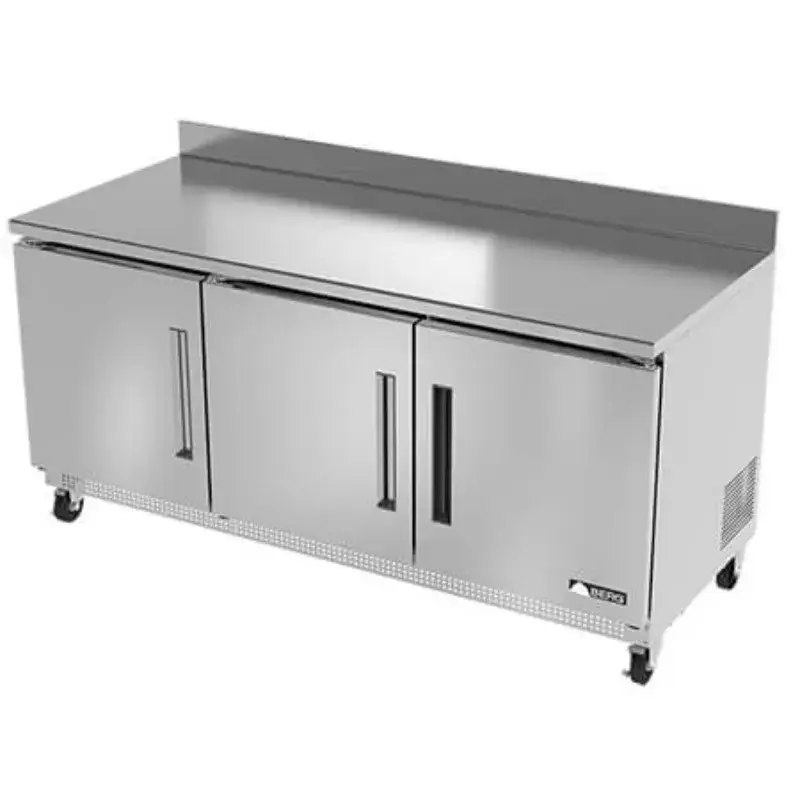
How a Commercial Undercounter Freezer Adds Usable Space
Commercial kitchens have little spare room. A bulky appliance can crowd the floor, while a badly arranged workspace slows service and raises the risk of accidents when orders are coming in fast. A commercial undercounter freezer keeps frozen goods below the worktop, freeing the surrounding area for essential prep and other kitchen work.

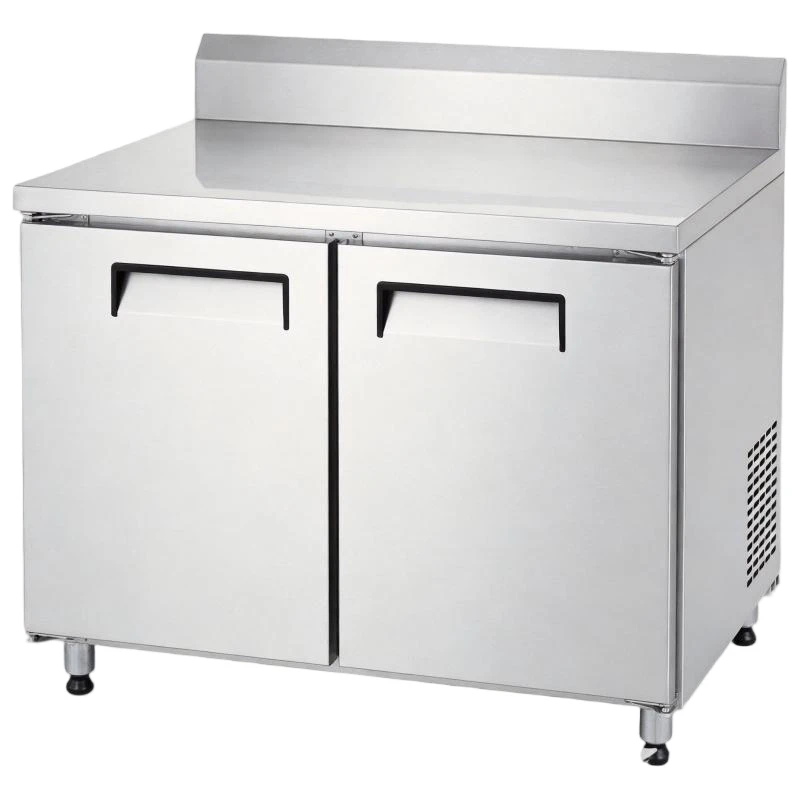
A compact freezer tucked beneath the counter does more than store frozen ingredients. In a tight restaurant, café, bar, bakery, or ghost kitchen, it frees up valuable floor and wall space. This article looks at how these units help and which operations benefit most.
The Hidden Cost of Wasted Kitchen Space
Why Floor Area Drives Profitability
In many cities, commercial space costs $40–$80 or more per square foot each year. A full-size upright freezer occupies about 6–8 square feet, adding $240–$640 in annual rent before accounting for the revenue that space could generate as a prep area, cooking station, or customer-service zone. Small businesses feel that tradeoff most sharply; a single freezer may displace a work surface, another appliance, or the room staff need to move efficiently.
Kitchen designers and operators often run into the same problem: a traditional freezer tucked against the back wall forces staff to take the long way around. That interrupts the path from prep through cooking and plating, while also making it harder for managers to see what is happening. An under-counter Commercial Freezer keeps supplies within reach and clears the bottleneck.
The Undercounter Advantage
Most kitchen counters are 34–36 inches high, leaving about 24–28 inches underneath. That space typically sits empty or holds basic shelves. A Commercial Undercounter Freezer puts it to work as freezer storage without requiring additional floor space.
This matters in a kitchen, where floor space is usually tight, and the area beneath the counters often goes unused. An undercounter freezer fits into the existing layout without demanding more room.
How Undercounter Freezers Create Space Efficiency
Eliminating Redundant Footprints
A freestanding freezer occupies floor space on its own. An undercounter model combines storage with the counter above it, leaving that surface free for preparing food while the space below holds frozen items.
In a 300-square-foot pizza kitchen, a standard upright freezer claims 6 square feet, leaving 294 square feet for the rest of the operation. An undercounter model slips beneath the worktop, uses no additional floor space, and still offers 150–250 liters of frozen storage. The reclaimed room could fit another prep station, a small mixer, or simply give staff more space during a busy service.
Streamlining Traffic Flow
A kitchen runs more safely and quickly when staff can move freely between stations. Large standalone units block those routes, increasing the chance of collisions and adding unnecessary steps. Installed beneath the counter, a Commercial Undercounter Freezer sits flush with the existing line and keeps the worktop open.
Busy restaurant lines can hold three or four cooks at once, so every inch matters. A well-planned layout lets them move without bumping into one another or knocking things over, while reducing the distance between stations. Repeated across thousands of service hours each year, those seconds become a meaningful saving.
Supporting Modular Kitchen Layouts
Modular kitchen layouts let operators move equipment around as the menu, concept, or customer demand changes. An undercounter freezer fits beneath a standard counter, so it does not require a separate spot on the floor.
A restaurant adding dinner service could fit a second undercounter unit beneath a new prep station without changing the kitchen’s basic layout. A large freestanding freezer is less forgiving. It needs a fixed floor location, an electrical connection, and room for ventilation, so rearranging the kitchen later becomes much harder.

Undercounter vs. Other Compact Freezer Formats
Small kitchens cannot spare much floor space. The freezer must fit its allotted area without making everyday access awkward. The table below compares a Commercial Undercounter Freezer, a Worktop Freezer, and a standard upright model.
| Feature | Commercial Undercounter Freezer | Worktop Freezer | Standard Upright Freezer |
| Additional Floor Space Needed | None (fits under existing counters) | Minimal (replaces separate prep table) | 4-8 sq ft dedicated |
| Adds Usable Prep Surface | None; relies on the counter above it | Includes a built-in top surface | Adds no prep space |
| Typical Storage Capacity | 100–250 liters | 300–500 liters | 400–700 liters |
| Access Style | Front door or drawers | Drawers or doors | Full-height shelves |
| Height | 24–34 inches | 34–36 inches | 72–84 inches |
| Best Fit | Line stations, bars, or existing counters | Dedicated preparation area | High-volume back-of-house storage |
| Integration Level | Fits directly into the counter line | Standalone unit with two functions | Standalone storage unit |
When a Worktop Freezer Makes More Sense
When counter space is tight, a Worktop Freezer can solve two problems at once: it provides frozen storage and creates an extra surface for food preparation. A bakery setting up a new kitchen, for example, might choose this design to gain workspace without adding a separate counter. An undercounter freezer is the better fit when the kitchen already has enough work surfaces and only needs more storage.
Small kitchens force a choice: gain prep space above the counter or keep more storage beneath it. Some operations combine both, using worktop units in the main prep area and undercounter models at bar stations or other secondary locations.
When Full-Size Upright Freezers Remain Necessary
Undercounter freezers have limited capacity compared with full-height uprights. Banquet facilities, institutional kitchens, and wholesalers storing large quantities of frozen goods generally need upright or walk-in Commercial Freezer models instead. Smaller units still make sense at service stations, where they keep regularly used items nearby and cut down on trips to the main freezer.
Practical Applications by Business Type
Bars and Cocktail Programs
Behind many bars, space is tight. Staff still need somewhere to store ice, frozen garnishes, and cocktail ingredients, though. A Commercial Undercounter Freezer slides beneath the counter, keeping everything nearby without taking room away from the service area.
Craft cocktail bars benefit from the arrangement because bartenders can keep frozen syrups, custom ice molds, fruit, and pre-batched drinks within easy reach. That helps them serve customers quickly during the rush.
Cafe and Quick-Service Operations
Cafes serving light food can often manage with a 200–400-square-foot kitchen. Bread dough, portioned proteins, ice cream, desserts, and similar frozen items usually fit in an undercounter freezer, which can sit beneath the sandwich counter to keep ingredients nearby and orders moving quickly.
Hospital and Institutional Pantry Stations
In large institutions, small satellite freezers often sit in floor pantries, nursing stations, or break rooms. Undercounter units fit beneath existing cabinets, so these multipurpose rooms need no extra floor space. Staff can store ice packs, frozen meals, and medical products close at hand rather than walking to the central kitchen.
Key Features to Prioritize
Door vs. Drawer Access
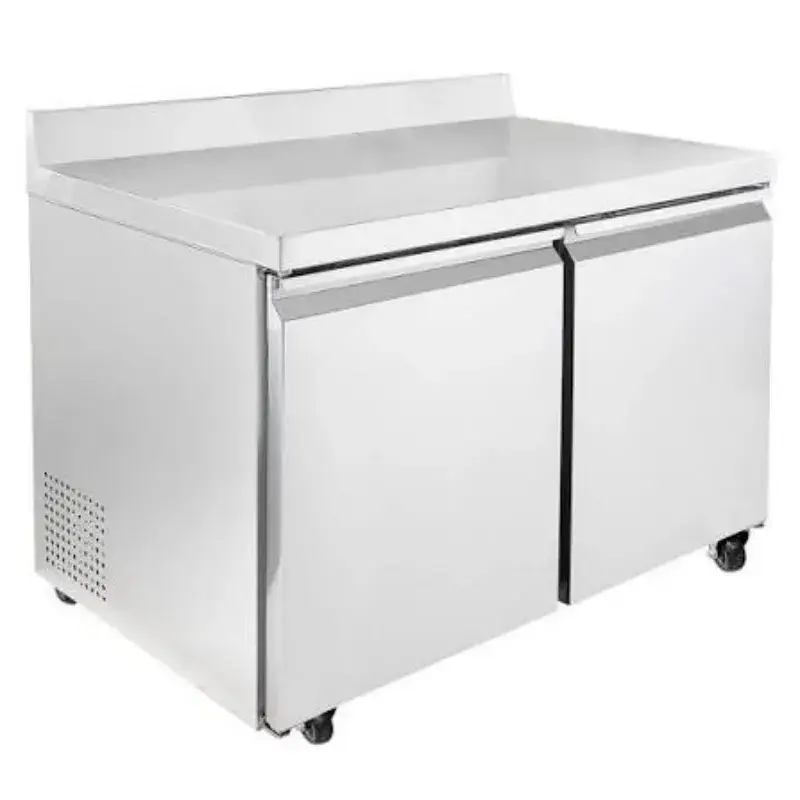
Most undercounter freezers use either a hinged door or pull-out drawers. Choose based on how you prefer to organize and reach your frozen food.
Door-style units generally cost less because their mechanical design is simpler and contains fewer moving parts. The wide opening also accommodates bulky food more easily, while the open interior is simple to clean.
Drawer-style models split the freezer into compartments, so finding a specific item takes less time and the rest of the contents stay covered.
Opening them releases less cold air, which helps limit temperature fluctuations.
Better ergonomic access for high-frequency retrieval
Stations that handle frozen ingredients dozens of times during each service hour generally work better with drawers. For units used mostly for storage, doors are usually the better choice because they do not need to be opened as often.
Temperature Range and Consistency
A dependable undercounter freezer should keep its interior between -10°F and 0°F (-23°C and -18°C) without major fluctuations. Look for features that help maintain and track that range:
An external digital thermostat allows staff to check the temperature without opening the unit. Auto-defrost reduces routine maintenance, although the temperature may shift slightly for a short time. If conditions leave the safe range, alarms alert staff early enough to respond before products are affected. Insulation at least 2 inches thick limits compressor cycling and keeps the interior more stable.
Construction and Durability
Commercial kitchen equipment faces moisture, grease, impacts, and sharp temperature changes every day. Stainless steel exterior panels are the better choice because they resist corrosion and clean up more easily.
Reinforced hinges hold up through thousands of daily opening and closing cycles.
Magnetic gaskets maintain even pressure around the entire door, and adjustable leveling legs keep the unit stable on uneven kitchen floors.
Removable condensers and access panels also make routine maintenance faster.
Energy Efficiency
Undercounter units operate continuously for years, making electricity use a meaningful part of running costs. Variable-speed compressors, improved insulation, and better airflow can reduce consumption by 15-25% compared with standard designs. For businesses running several units at separate stations, the annual savings can become substantial.
Installation and Placement Guidelines
Ventilation Requirements
Refrigeration units give off heat, so they need adequate clearance to operate efficiently. Most undercounter freezers vent through the front, back, or sides. Front-venting models offer the most flexibility because they can sit against a wall or between cabinets without restricting airflow. Rear- or side-venting units require 3–6 inches of open space beside the vent, which may make them hard to install in a tight counter run.
Before you buy, inspect how the freezer releases heat. A rear-venting model needs open space behind it; pushed tight against a wall, it cannot cool itself properly. The compressor has to work harder, drawing more electricity and possibly wearing out sooner.
Electrical and Plumbing Considerations
Most undercounter freezers plug into ordinary 115V/120V outlets, which usually makes the electrical work simple. Bigger, more powerful models may require their own circuit instead of sharing one with other appliances. Check the freezer’s amperage against the available circuit before installing it.
Some auto-defrost units evaporate water inside the cabinet and need no drain connection. Others require gravity drainage or a condensate pump, so decide how the water will be handled before installation; adding drainage afterward may cause problems.
Ambient Temperature Impact
During service, temperatures near cooking equipment may climb to 85–100°F. Freezer compressors then work harder, reducing efficiency and potentially shortening their service life. Keep undercounter freezers away from ovens, fryers, steam tables, and other direct heat whenever possible. If space is limited, install a heat shield between the freezer and the heat source.

Calculating ROI on Space Recovery
The purchase price is only one part of the calculation. Start with the facility’s annual rent per square foot and the floor area taken up by the existing freestanding freezer. Multiply them to find the yearly cost of that space, then add the income it could produce if put to another use.
Compare the unit’s yearly value with its amortized cost.
With annual rent at $60 per square foot, swapping a 6-square-foot upright freezer for an undercounter unit recovers $360 in space value each year. That extra room could accommodate a prep station or make the kitchen easier to work in, helping the equipment pay for itself faster.
Final Considerations
A commercial undercounter freezer provides extra frozen storage without taking up floor space. It fits neatly into modular kitchens, leaves walkways open, and keeps ingredients close to the work area.
Undercounter freezers suit compact food businesses such as bars, cafés, food trucks, and ghost kitchens. In a larger kitchen, one can sit at each workstation alongside the main cold-storage units, reducing staff trips and helping orders move faster.
If you’re building a new kitchen or changing the layout of an existing one, check the space beneath the counters. It may offer useful storage right where the team needs it.
Frequently Asked Questions
Q1: Can a Commercial Undercounter Freezer meet a small restaurant’s everyday storage needs?
Usually, yes. A model holding 150–250 liters should be enough for a restaurant serving up to 100 covers, especially if weekly bulk deliveries keep supplies topped up.
Q2: How does the energy use of an undercounter freezer compare with a full-size model?
An undercounter freezer generally consumes 1.5–3 kWh a day. A full-size upright uses about 4–6 kWh, so choosing the smaller model can reduce annual energy costs by roughly 40–50 percent.
Q3: Should a business choose a front-venting or rear-venting undercounter freezer?
Front-venting freezers can sit directly against a wall or cabinet, making them a practical choice for tight spaces. Rear-venting models need clear space behind the unit.