
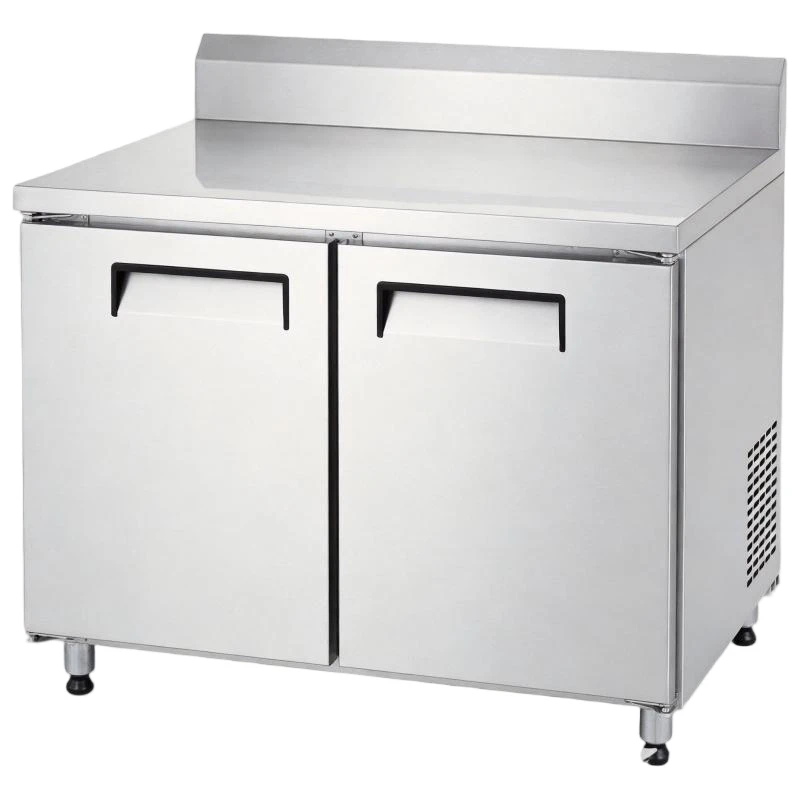
Every square foot in a commercial kitchen has a price. That pressure is especially severe in cities, where high rents leave small food businesses with little room to spare. A Worktop Freezer puts refrigerated storage under the counter, preserving valuable floor space while adding a usable work surface.
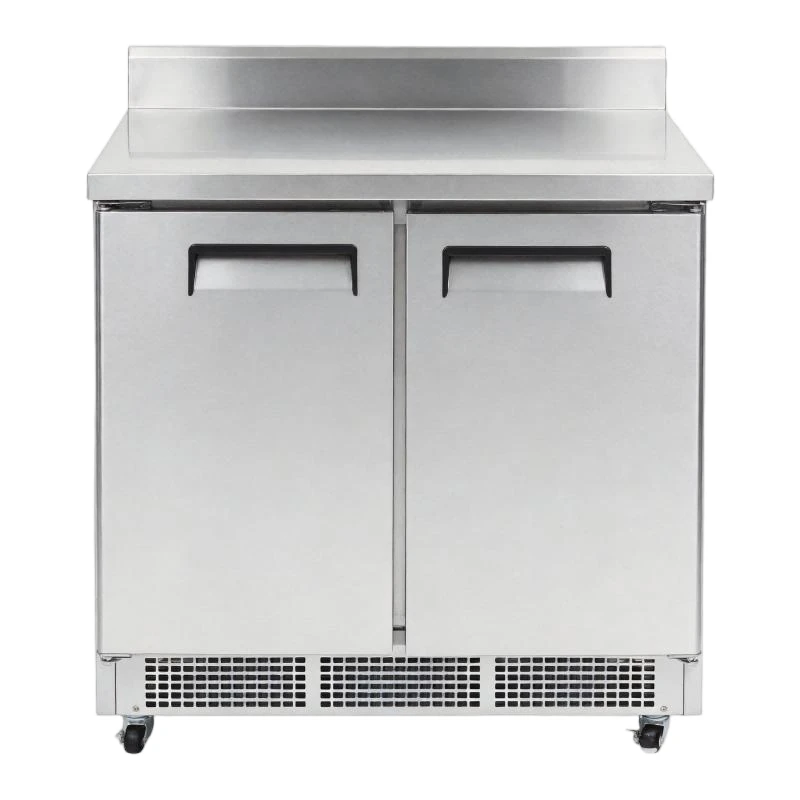
Unlike a standard freezer, a worktop model gives you a solid prep surface above the storage compartment. Two practical functions fit in the same footprint—a worthwhile advantage when floor space is limited.
Space Crisis in Small Kitchen Operations
How Limited Square Footage Affects Daily Workflow
Small kitchens often have only 200–400 square feet for storage, preparation, cooking, and plating. When those areas are spread apart, staff must repeatedly cross the room to collect ingredients or equipment. During service, those extra steps add up quickly.
A Worktop Freezer keeps frozen ingredients under the prep surface, within easy reach of line cooks. They can stay at their stations, cut unnecessary movement, and send orders out faster during rushes.
Equipment Density Challenges
Small kitchens offer little room to spare. Every appliance and storage unit has to fit without obstructing movement, because one oversized or badly positioned piece can slow the entire workflow.
A standard upright freezer takes up 4–8 square feet, yet its top usually cannot serve as a practical prep area. A worktop Commercial Freezer fits the same basic footprint while adding 12–18 square feet of usable surface. For a compact operation, that extra workspace can make it the smarter choice.
Key Advantages of Worktop Freezer Integration
Dual-Function Design Philosophy
A Worktop Freezer combines frozen storage with a prep surface. Its lower compartment keeps food between -10°F and 0°F (-23°C to -18°C), while the stainless-steel top provides a sturdy area for cutting, mixing, or plating.
This setup is particularly handy when a dish requires fresh and frozen ingredients. In a pizza kitchen, staff can keep dough balls, pre-cooked proteins, and specialty ingredients frozen beneath the work surface, then assemble the pizza directly above and move it to the oven without stepping away.
Ergonomic Access and Reduced Fatigue
During a busy shift, staff may cross the kitchen again and again to reach traditional walk-in or full-height upright freezers, bending and stretching each time. The repeated strain can build over time. Commercial Undercounter Freezers place frozen products around waist height, so ingredients are easier to grab with less reaching and bending.
During a 12–16-hour service day, this kitchen layout helps staff stay fresher and keep their work consistent. Frozen goods are close at hand; open the drawer or door, turn around, and prep on the counter above.
Temperature Zone Optimization
A small kitchen functions more smoothly when the refrigerator and hot appliances are separated, with an open stretch of counter between them for food preparation. The Worktop Freezer anchors the chilled section, keeping perishable ingredients cold as meals are prepared.
Frozen food stays away from warmer kitchen areas, reducing the chance of cross-contamination. Staff can take it straight from frozen storage to the chilled prep surface, where it remains at a safe temperature during handling.


Worktop Freezer vs. Traditional Storage Solutions
This table compares Worktop Freezers with other Commercial Freezer types on the factors that matter most to small kitchen operators.
| Feature | Worktop Freezer | Standard Upright Freezer | Walk-In Freezer |
| Floor space | 4–6 sq ft | 4–8 sq ft | 40–80+ sq ft |
| Prep surface | Included, with 12–18 sq ft | Not included | Not included |
| Access height | Waist-level for ergonomic use | Floor to ceiling | Full height |
| Typical capacity | 300–500 liters | 400–700 liters | 2,000+ liters |
| Installation | Low; plug-and-play | Low | High; construction required |
| Energy efficiency | High because of compact insulation | Moderate | Variable, depending on size |
| Best kitchen size | Under 400 sq ft | 400–800 sq ft | 800+ sq ft |
| Workflow Integration | Excellent | Poor | Moderate |
When Upright Models Fall Short
An upright freezer takes up less floor space, but its top cannot double as a work surface. That matters in a small kitchen. Staff end up placing cutting boards and ingredients on nearby tables, which clutters the station and makes movement slower.
Tall, upright refrigerators usually reach 6–7 feet, so the top shelves can be awkward to access, and the appliance may make the kitchen feel closed in. Worktop models keep food within easy reach and add useful prep space without taking up more floor area.
Walk-In Freezers in Small Spaces
Walk-in freezers provide far more storage, but a compact model still needs 50–60 square feet once you include the refrigeration equipment and clearance for the door. For a small business, giving up that much floor space may not pay off—particularly when it reduces room for food preparation or customer seating.
Walk-in freezers make staff leave their stations whenever they need a frozen ingredient. A Worktop Freezer keeps those items within reach, letting food preparation continue without needless trips.
Operational Benefits for Specific Small Kitchen Types
Food Trucks and Mobile Operations
With only 40–100 square feet available for the kitchen, a food truck cannot spare much room for single-purpose equipment. Worktop Freezers keep frozen ingredients close during service without taking over the cramped layout, leaving more counter space for preparation.
Limited power makes efficient refrigeration especially useful, since it eases the load on the generator.
Commercial Undercounter Freezers fit beneath prep stations or service windows in food trucks, keeping ingredients close while staff assembles orders for quick handoff.
Ghost Kitchens and Delivery-Only Concepts
Ghost kitchens skip the dining room, so nearly all of the space can go to food preparation. A single facility may handle several virtual brands, forcing staff to shift between menus quickly while orders come in.
Worktop Freezers keep prep areas orderly without taking up much room. Their modular design lets a ghost kitchen position three units at separate stations, with frozen ingredients close at hand for pizza, burgers, or desserts.
Cafes and Bakeries
Bakeries and cafés freeze dough, butter, pastry shells, and specialty ingredients so each batch stays consistent. They also need ample, hygienic workspace for preparing baked goods.
The Worktop Freezer keeps dough and temperature-sensitive fats within reach at the pastry station. Its smooth, sanitary top gives bakers space to portion ingredients, shape pastries, and proof them without moving between stations.
Selection Criteria for Small Kitchen Applications
Capacity Planning
A compact kitchen needs freezer space that matches its workload without crowding the floor. A worktop model usually holds 300–500 liters, which is enough for about 50–150 covers a day or 100–200 delivery orders. If demand is higher, several units positioned beside separate prep stations may work better than one large freezer placed elsewhere in the kitchen.
Start with an audit of the frozen stock. Record what is on hand and estimate weekly consumption for each item. Then account for delivery times, minimum order quantities, and a 20% allowance for seasonal variation. Divide the resulting volume by the reorder interval to determine the minimum storage capacity. That figure helps operators choose a worktop model large enough for demand without spending on unnecessary equipment.
Door Configuration Options
Worktop Freezers come with either drawers or doors, and the better choice depends on how the kitchen operates. Drawers make often-used ingredients easy to grab and keep smaller items separated, which is useful when several people work at the same station. They do take up more room, though, so total storage capacity is lower.
Door-style freezers work well when a kitchen holds a handful of large items or needs maximum cabinet capacity. They usually cost less, too, since their mechanism is simpler, and the deeper cavity accommodates bulk supplies.
In a small kitchen with a varied menu, drawers are often the better choice. Separate compartments keep frozen food sorted and easier to reach, while shorter openings let less cold air escape.
Surface Material and Durability
A dependable, easy-to-clean work surface matters in a small commercial kitchen. Choose stainless steel that’s 18 gauge or thicker; it stands up to acidic foods, heavy chopping, and frequent washing without rusting, helping the kitchen meet food-safety standards.
Some economy models use painted steel or aluminum, but heavy commercial use can wear those coatings down fast. The lower price may prove temporary savings: damaged surfaces are harder to keep sanitary, and early replacement can raise the equipment’s total lifetime cost.
Energy Efficiency Considerations
For a small business, every expense matters. Rising utility costs come straight out of profits, while inefficient equipment can wipe out a thin margin in a competitive market.
A quality Worktop Freezer typically uses 2–3 inches of high-density foam to hold the cold, so its compressor can cycle less often. The magnetic gasket keeps the door shut tightly, and low-heat LED lights add little warmth inside. Some models also evaporate condensation on their own, which cuts down on maintenance.
Choose a model with Energy Star certification or a comparable regional efficiency rating. The initial price may be higher, but these appliances use 15–25% less electricity than standard models. For most buyers, lower utility bills make up the difference within 18–30 months.
Installation and Maintenance Practices
Placement Considerations
Worktop Freezers need room to shed heat. Keep 3–6 inches of clearance around the ventilated areas, typically the back and one side. Too little space forces the compressor to work harder, raises energy use, and can shorten its life.
Keep Worktop Freezers away from ovens, ranges, fryers, and other high-heat equipment. Nearby heat can raise the temperature inside the freezer, making its refrigeration system run more often. When there is no choice but to place the units close together, add a heat shield to reduce heat transfer.
Routine Cleaning Protocols
Clean the Worktop Freezer after each use. Because food is prepared directly on its surface, remove any scraps and contamination, then wash and sanitize it at the end of the day with a food-safe sanitizer and a clean microfiber cloth.
Each week, empty any easily accessible drawers or compartments and wash them with warm, soapy water. Rinse with clean water and dry everything completely before putting the products back. Regular cleaning helps prevent ice buildup and odors, and keeps the unit at the correct temperature.
Preventive Maintenance Schedule
Regular upkeep extends the equipment’s life and reduces the risk of failure during service. Each week, examine the door gaskets for damage and clean the exterior. Vacuum the condenser coils monthly. Every three months, verify the thermostat calibration and make sure the drain line remains clear and works properly. Schedule annual professional maintenance to inspect the compressor and refrigerant levels.
Small kitchens show the problem quickly: airborne grease and flour coat the coils, slowing heat transfer. The compressor has to run longer, consuming more energy while struggling to maintain the right temperature.
Making the Investment Decision
Cost vs. Value Analysis
A Worktop Freezer usually costs between $1,500 and $4,500. The price depends largely on its capacity, features, and build quality. The real issue is whether it makes day-to-day work easier enough to justify the expense:
Space value: One worktop unit can take the place of a separate prep table, saving $400-$800 while offering the frozen-storage capacity found in upright models priced at $1,200-$2,000.
Labor value: Better ergonomics and less walking can save staff 30-60 minutes on busy service days, reducing daily labor costs by $15-$30.
Energy use shows up in the household budget. Efficient models consume 2–4 kWh a day, while economy units use 4–6 kWh, potentially lowering annual electricity bills by $75–$150.
Across an 8–10-year lifespan, those savings may surpass the upfront price gap between a quality model and a cheaper alternative.
Financing and Budget Planning
For small operators, spreading equipment costs over the years it generates revenue can protect limited cash reserves. An equipment lease, paid monthly, is one possible route. Other options include small-business loans for kitchen purchases, financing from restaurant-supply dealers, and credit cards offering an introductory 0% interest period. Build installation into the budget; plug-and-play units usually cost little to set up. Also allow for an extended warranty and first-year maintenance supplies. The sticker price is only part of the actual cost.
Frequently Asked Questions
Q1: How much frozen storage does a small kitchen need in a Worktop Freezer?
A kitchen serving 50–100 covers daily will usually need about 350–450 litres of frozen storage. Check your existing stock and delivery schedule before selecting a model.
Q2: Can a Worktop Freezer replace a walk-in or upright freezer in a small operation?
Often, yes. For a business smaller than 400 square feet that serves up to 150 covers a day, the right Worktop Freezer can hold enough stock while leaving room for daily work.
Q3: How long can a commercial Worktop Freezer last with proper maintenance?
With regular care, a well-built unit typically runs reliably for 8–12 years. Cleaning the condenser and replacing worn gaskets on time can help it reach the upper end of that range.