
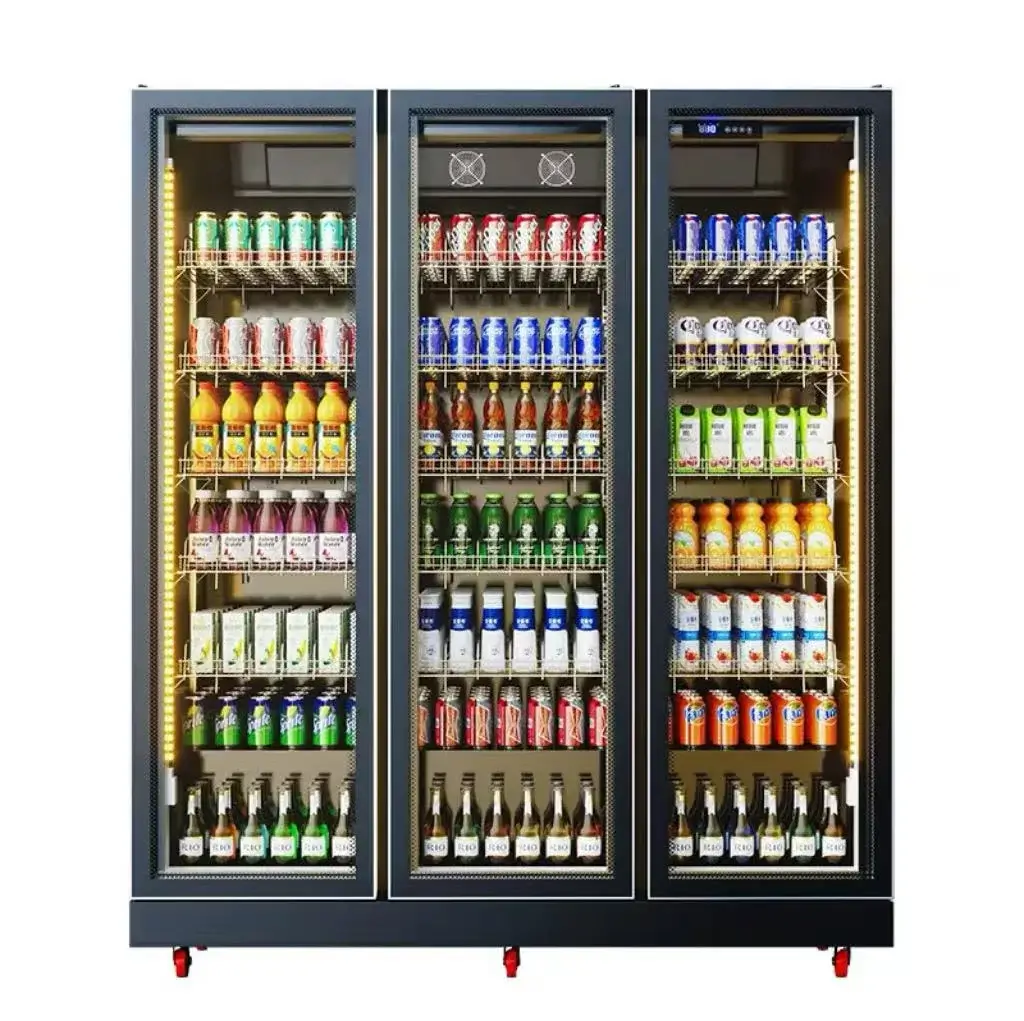
A beverage cooler can generate more sales than many owners expect, whether it sits in a convenience store, hotel lobby, or specialty restaurant. Customers are more likely to buy a cold drink, and a clear display can prompt an unplanned purchase. The right Beverage Refrigerator affects your equipment budget, power consumption, product presentation, and the customer experience.
Price matters, but it should come later. First consider the drinks you plan to serve, the volume you expect, and the space available. Those factors usually reveal the right equipment format more clearly than a specification sheet. The article uses that approach to compare the main formats and address problems that often surface after the first year.

Start With What the Business Actually Sells
Start with what you plan to keep cold. A café selling craft sodas needs a different Beverage Refrigerator than a hotel storing small wine bottles for guests. Choose the unit around your actual inventory, or you could run out of room—or pay for storage you do not need.
Categorize the Beverages First
Before comparing models, operators should check their inventory: required temperatures, packaging dimensions, and how quickly each product sells. Those details often point to the right equipment.
● Craft beer, kombucha, and wine typically need tighter temperature control than mass-market soda.
● Container shape changes the shelf plan. Tall bottles and standard cans occupy space differently, and unusual glass packaging may need additional room.
●Required capacity depends on sales speed: keep fast-selling SKUs near the front and place slower-moving products farther back.
The sales model usually points to the right cooler. A wine-focused venue needs a dedicated wine cooler with humidity control, while a busy grab-and-go shop will likely do better with a glass-front, multi-door model.
Estimate Daily Volume Realistically
Size the cooler for projected sales rather than an average day. It should fit roughly two to three days of peak demand, with extra space for weekend rushes, late deliveries, and seasonal spikes. That reduces restocking during service. Too little capacity can become a serious problem by the first summer.

Understand the Main Format Options
Buying your first beverage refrigerator can get complicated fast. Keep the decision practical: estimate the amount of storage you need, measure the available spot, and decide whether customers or guests should see what is inside.
| Refrigerator Type | Best Use Case | Typical Placement | Visibility |
| Glass Door Refrigerator | Retail merchandising | Front of house, checkout | High |
| Single Door Display Refrigerator | Retail where space is tight | Cafés, small stores | High |
| Multi-Door Glass Front | Designed for busy convenience retail | C-stores and supermarkets | High |
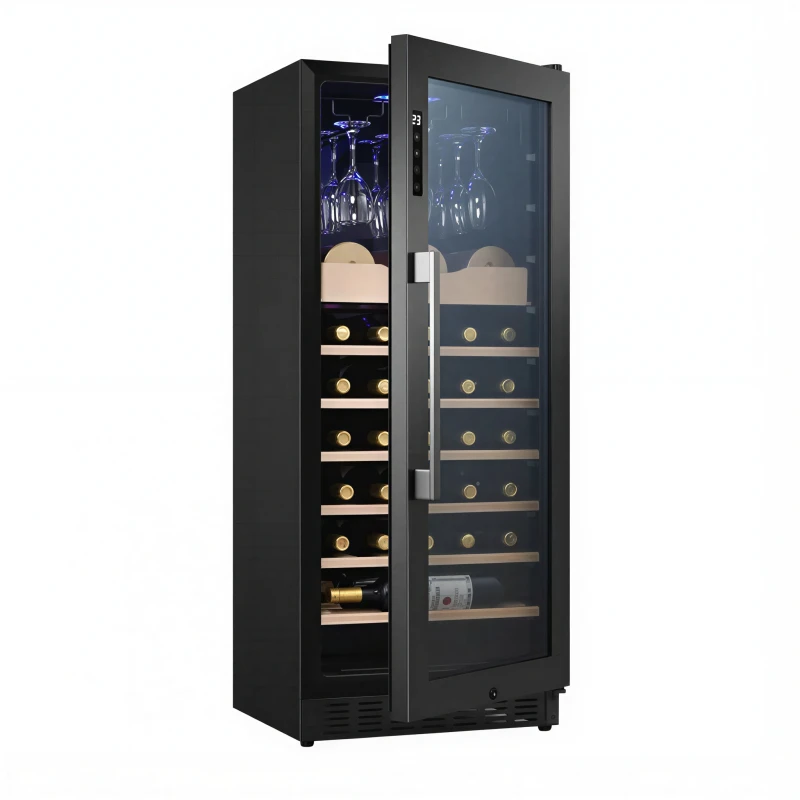
| Wine Cooler | Keeps wine ready for service and properly stored | Restaurants, bars, and hotels | Medium |
| Solid Door Back-Bar | Holds backup stock out of sight | Behind bars and in back rooms | None |
A Commercial Glass Door Refrigerator makes the products inside part of the sales pitch; shoppers can see chilled items before opening the door. Where space is tight, a Single Door Display Refrigerator provides much the same visibility in a smaller footprint, making it a practical fit for cafés, boutique markets, and grab-and-go sections.
Wine needs different storage conditions. Most beverage coolers are too cold and too dry for extended storage, while a dedicated wine refrigerator keeps the temperature between 45 and 65 degrees Fahrenheit and preserves enough humidity to prevent corks from drying out. Restaurants and other venues selling bottles beyond impulse-buy prices are better off with a separate wine refrigerator than a shared cooler.
Single Door vs Multi-Door Decisions
Choosing between one door and several changes more than storage capacity. It affects how customers move, how much energy the unit uses, and how products appear. A single-door model releases less cold air each time it opens, so its temperature stays steadier during busy periods. Models with multiple doors provide more display space and can hold a broader product range, but each opening lets out more cold air.
The right choice depends less on shelf capacity than on customer movement. Compare single-door and multi-door layouts by watching how shoppers pass through the store; that traffic pattern usually reveals which design fits best.

Energy Efficiency Deserves Serious Attention
Beverage coolers operate around the clock, all year long. Electricity can therefore become one of the highest costs of ownership, making energy consumption worth checking before you buy.
Where Energy Costs Actually Hide
The sticker price is only the beginning. Two units can cost the same upfront but produce annual electricity bills that differ by hundreds of dollars, often because of features buyers miss. Consider the compressor: a variable-speed model reduces its output when demand is low, which cuts power use. Lighting matters too. LED strips consume only a fraction of the electricity used by fluorescent tubes and give off almost no excess heat.
- Door-seal quality. A loose gasket lets cold air leak out, making the compressor run more often.
- Glass-panel design. Double- or triple-pane glass, especially with a low-E coating, cuts heat transfer substantially.
- Refrigerant choice. Newer refrigerants such as R290 generally consume less energy and do less environmental damage than older alternatives.
The guide also examines total ownership costs. Although an ENERGY STAR beverage refrigerator may cost more at the outset, the energy savings often recover that difference within two to three years. Where electricity prices are high, the payback can come sooner.
The Hidden Cost of Cheap Units
A budget cooler may resemble a pricier model, but thin insulation and weak door seals make it work harder and more often. Repairs usually come sooner, too. Over its full service life, a mid-range or premium unit generally costs less; higher utility bills can erase the original savings within eighteen months.
Match the Unit to Its Environment
A cooler may be well built, but its surroundings still affect performance. Heat, moisture, and heavy activity nearby can change how reliably it operates.
High-Traffic Locations Need a More Durable Design
A convenience-store cooler may be opened hundreds of times a day, while a back-bar unit in a fine-dining restaurant might see far less use. That difference affects how much strain the equipment must withstand. For busy locations, look for sturdy hinges, quick temperature recovery, and heated doors that limit condensation. Before buying, confirm the unit can handle the workload it will face.
Ambient Conditions Change the Math
A refrigerator labeled “climate class 3” may have trouble in a kitchen that regularly reaches 90 degrees. In hot, humid coastal areas, a class 4 or 5 model is the safer choice because it can handle warmer surroundings while maintaining a stable interior temperature. Choose the wrong rating, and the compressor may run nonstop, wearing out sooner.
Practical Buying Checklist
Once you have compared the models, check a few specific details before placing an order. This can prevent installation headaches later.
Key Specs and Quality Checks to Verify Before Ordering
● Look at how many bottles or cans it holds rather than relying only on the cubic-foot rating, which can make the interior seem larger than it is.
● Make sure the door opens in a way that works with the planned layout.
● Select a climate class suited to the appliance’s operating conditions.
● Verify NSF certification for food-contact safety.
● Check for ENERGY STAR or an equivalent efficiency rating.
● Start with the compressor warranty. A five-year term usually points to solid expected durability.
● Open the fridge and inspect the shelves under the LED lights; the brightness should be consistent from one side to the other.
● Test the door seal with a sheet of paper. Close the door on it, then tug. If the paper slides out easily, the gasket may not be sealing well.
A Commercial Glass Door Refrigerator or Single Door Display Refrigerator should meet every requirement. If it falls short on two or more checks, have it inspected again before purchasing.
Warranty and Service Access
Even well-made equipment can fail. Before you buy, find out whether the manufacturer stocks replacement parts and offers fast local support. Saving $500 on a cooler means little if a faulty compressor takes it out of service for three weeks while you wait for parts.


Where Merchandising Meets Engineering
A beverage refrigerator has two jobs: keep drinks cold and help sell them without inflating energy costs. Door design, shelf placement, and the color of the lighting all shape how well it does both. Buyers who view the unit as part of their merchandising strategy usually make better choices than those who see it as just another expense.
Small details affect sales. Warm LED lights give craft beer bottles a more premium appearance, while adjustable shelving lets staff change the display as seasonal products come and go. On humid summer afternoons, anti-fog glass keeps the merchandise clear. A basic specification sheet may miss those features; daily sales will not.
Put a Wine Cooler by the entrance or bar so bottles remain ready to serve and the restaurant’s wine selection catches guests’ eyes. A glance may be enough to make someone browse the options or place an order. Experienced operators understand that the cooler is part of the sales setup, much like clear signage or well-placed lighting.
Start with the business when selecting a beverage refrigerator. Look at how much it holds, how clearly customers can see the drinks, what it costs to run, and whether it can withstand daily use. A suitable unit keeps beverages cold and available while delivering reliable service for years.
Frequently Asked Questions
How much storage does a commercial beverage refrigerator need for a mid-size café?
Plan for about two to three days of peak sales. That capacity helps staff avoid frequent restocking during busy periods while keeping beverages at a consistent temperature.
Can one unit handle both wine and standard beverages effectively?
Dual-zone units can do both jobs, but a dedicated wine cooler gives bottles better protection. It keeps humidity steadier and avoids sharper temperature swings, which is why most serious wine programs use separate equipment.
What lifespan should you expect from a quality commercial beverage refrigerator?
A well-made unit with a reliable compressor and good ventilation usually runs for eight to twelve years. Lower-cost models in commercial use may last only three to five years.