

Walk into a restaurant kitchen at dinner rush, and the cooks barely move from the line. Ingredients stay within reach, plates go out, and the cycle repeats. A piece of equipment most diners never notice makes that possible: the counter refrigerator. Commercial Counter Refrigerators help restaurants handle tight floor plans, avoid service slowdowns, and keep food-safety practices more consistent. Their remaining benefits stem from those three jobs.

This article looks at why operators rely on these units, compares the configurations they typically choose, and points out which purchases often create problems later. It is aimed at kitchen managers, restaurant owners, and procurement teams who need a clear, practical understanding of where the equipment fits and why it has become a standard part of modern foodservice design.
The Core Reasons Restaurants Choose Counter Refrigeration
Before comparing features or specifications, consider the job these units need to do. A reach-in can store a lot, but it keeps ingredients away from the cooking area. Counter-height refrigerators keep those supplies close at hand, right where the work happens.
Space Efficiency in Tight Kitchens
Commercial kitchens rarely have room to spare. Because each additional square foot raises the rent, dining areas usually take priority, forcing prep work and storage into tighter spaces. Under-counter refrigeration helps recover some of that lost capacity by fitting beneath cutting boards, plating stations, and sandwich rails, while preserving floor space for staff movement, cleaning, and other equipment.
For staff used to tall reach-in refrigerators, the difference is immediate. Put the cooling below the counter and the same floor area becomes one uninterrupted work surface for prep, storage, and plating. The Commercial Refrigerator category covers the heights and configurations that suit real kitchen layouts.
Workflow and Speed of Service
Restaurant profits depend heavily on how quickly orders reach the table. When cooks must leave their stations to fetch ingredients, service slows, and guests wait longer. A refrigerator beneath or beside the counter keeps supplies within reach, allowing the cook to build each plate without breaking pace.
The gap becomes obvious when service gets hectic. Lose two seconds on every plate, and the delay spreads across hundreds of covers. Chefs often report that tidy undercounter cooling helps them work faster and make fewer mistakes, since ingredients and tools remain visible and close at hand.
Food Safety and Temperature Discipline
Health inspectors want one clear answer: does the cold food remain cold? With refrigeration built beneath the prep surface, counter units help kitchens meet HACCP requirements and reduce the time ingredients spend at unsafe temperatures. Cooks can portion what they need straight from the unit rather than hauling a full hotel pan from the walk-in, where it may sit warming on the counter.
Digital temperature displays, open-door warnings, and automatic defrosting now come standard on many models. The safeguards matter. If refrigeration stops working during a night shift, inventory worth thousands of dollars can spoil. For operators, paying more for reliable equipment often feels like buying insurance rather than wasting money.
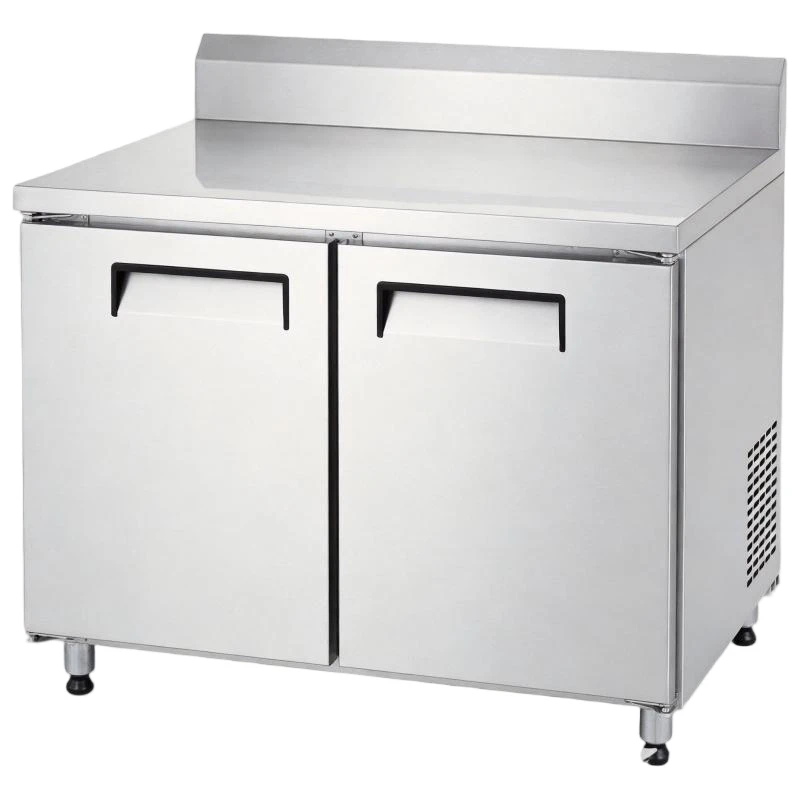
Comparing the Main Types of Counter-Height Cold Storage
Counter-height refrigeration comes in different formats, and each one suits a specific task. The wrong choice can eat into the budget or disrupt prep.
| Format | Primary Use | Typical Placement | Best For |
| Undercounter Refrigerator | Keeping ingredients chilled | Beneath prep counters or bar stations | Beverages, produce, dairy |
| Undercounter Freezer | Storing frozen backup stock | Near fryers or beneath prep tables | Proteins, fries, ice cream bases |
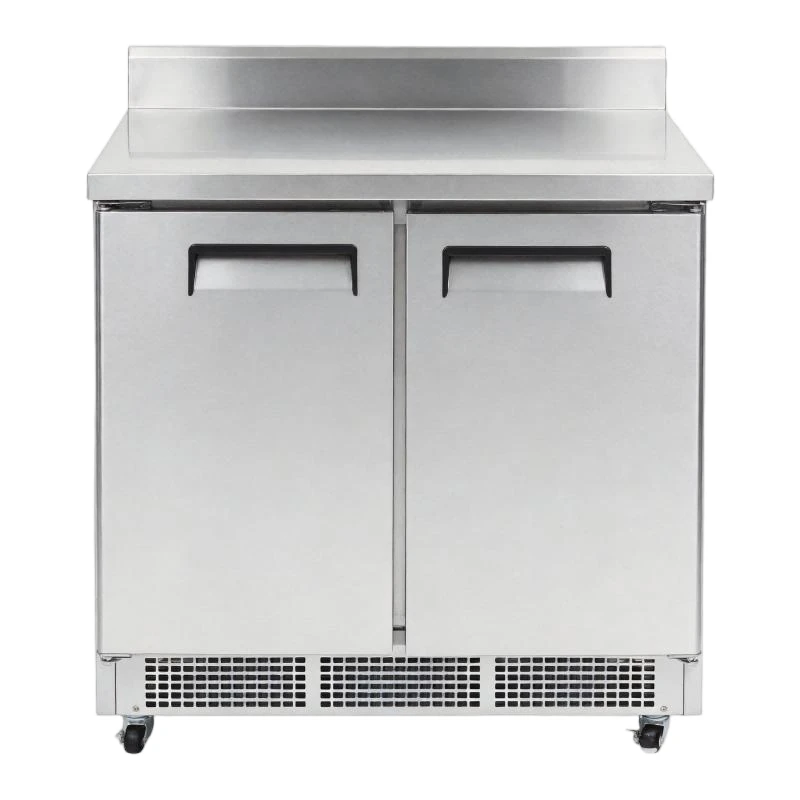
| Worktop Refrigerator/Freezer | Provides refrigerated or frozen storage beneath a usable prep surface. It typically sits in the middle of the preparation line, where staff assemble sandwiches, salads, or pizzas. | ||
| Sandwich/Salad Prep Table | Refrigerated ingredient wells are positioned above the worktop, so toppings stay close at line stations. It suits menus that require frequent assembly. |
Each configuration fits a different kitchen. A pizzeria might keep dough logs in a Worktop Freezer and toppings in a refrigerated prep table nearby. At a steakhouse, a reach-in or walk-in refrigerator could handle general storage, while a Commercial Undercounter Freezer beside the grill holds portioned proteins. The menu determines the layout; the basic rule is simple—keep ingredients near the station where they’re used.
When Undercounter Freezers Earn Their Place
Some operators rely entirely on the walk-in freezer and leave out undercounter storage at the line. During a rush, that choice can cause trouble. Cooks can pull individually quick-frozen proteins from an undercounter unit without repeatedly warming the walk-in, and frozen desserts stay firm beside the pickup area. For a kitchen serving a lot of fried food, the added freezer may be necessary.
When Worktop Units Make More Sense
When kitchen space is tight, this worktop combines food preparation with storage. The stainless steel counter handles cutting and portioning, and the compartments below keep ingredients within easy reach. Many sandwich shops and other small food-service operations build their whole service line around it.
How Restaurants Match Equipment to Menu Type
Price often drives the initial purchase, but cheap refrigeration can become a poor fit once the menu takes shape. A kitchen built around poke bowls and other cold dishes needs different storage than one focused on grilled entrées. Choosing the right capacity saves money over time and gives chefs enough room to work without compensating for undersized equipment.
Menu planning does not need to be complicated. Tie every dish to its ingredients, group those ingredients by storage temperature—refrigerated, frozen, or ambient—and estimate how fast they will move during the busiest service periods. Those figures determine both where each item should go and the equipment capacity required, rather than relying on a generic square-foot rule.
These kitchens buy what the service requires and keep staff out of the walk-in once cooking is underway, reducing delays and the risk of cross-contamination. The guide to choosing a counter refrigerator goes into the decision in more detail and includes menu-specific scenarios.
Durability and Long-Term Value
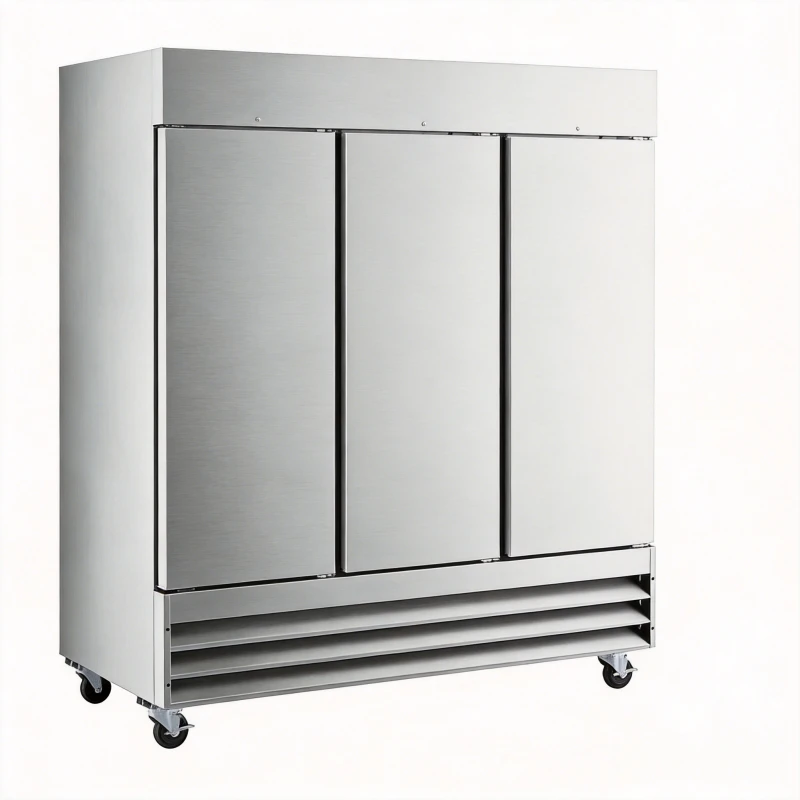
Restaurant equipment endures constant abuse. A door might swing open thousands of times in a single week, and compressors often run nonstop through humid summers and greasy kitchens. Spilled food, strong cleaning chemicals, and shifting temperatures wear down gaskets fast. The gear that holds up usually shares a few traits.
What Sets Reliable Units Apart
Experienced operators look past marketing and inspect the parts that determine how a unit performs every day. Small design choices may seem unimportant at first, but after two or three years, the difference is clear.
●Compressor location. Front-breathing compressors handle greasy kitchen air better than side-vented models.
●Gasket quality. Replaceable magnetic gaskets generally last longer and cost less to replace than glued-in types.
●Interior material. Stainless steel resists corrosion much better than painted or plastic linings, which deteriorate faster around acidic ingredients.
●Insulation thickness. Thicker, denser insulation keeps the freezer temperature stable despite repeated door openings.
A self-evaporating condensate system eliminates the need for a manually installed drain line in drainage design.
In a busy kitchen, a well-built Commercial Undercounter Freezer can keep running for eight to ten years. A cheaper unit may need major repairs within eighteen months. Over its full lifespan, the durable model usually costs less.
Energy Consumption and Utility Costs
Once the cooking equipment is covered, refrigeration is usually the restaurant’s biggest energy expense. ENERGY STAR-rated countertop units use much less electricity than older, uncertified models. For a large kitchen running several units, an upgrade can reduce utility costs by fifteen to twenty percent, often paying back the higher purchase price within two years.
Common Buying Mistakes and How to Avoid Them
Experience does not prevent expensive purchasing errors. Catching them early can protect your budget and help the kitchen operate without disruption.
Buying Too Small to Save Money
Small units can empty before the shift is over, forcing staff to leave the station for more supplies and slowing service. Food may also sit at unsafe temperatures for too long. The savings from a lower purchase price often disappear once the added labor is counted. Storage capacity should fit the types of food kept inside; the article on undercounter refrigerator storage explains what can share space and what needs to stay separate.
Ignoring Ventilation Requirements
Refrigeration units need room for air to circulate and carry heat away. Push a counter unit tightly into a cabinet, and the compressor may wear out well before its time. Check the manufacturer’s specifications for the required clearance, then keep that space open.
Overlooking Door Configuration
In a busy station, the hinge side matters. Place it poorly and prep space tightens, access becomes awkward, and service drags. Drawers often suit heavy-use areas better because a quick nudge opens them and portions stay within easy reach.
Where Counter Refrigeration Fits in the Bigger Picture
A well-planned kitchen keeps unnecessary movement to a minimum, giving cooks more time to plate dishes, check their work, and talk with guests. With cold storage set at counter height, assembly happens faster—right at the point where a restaurant’s reputation can rise or fall.
The category has changed sharply over the past decade. Digital controls, low-GWP refrigerants, and modular designs let operators match equipment more closely to the menu they actually serve. Buyers who treat these units as part of the kitchen plan, rather than simple commodities, typically see smoother service, less waste, and more reliable performance during the rush.
For a new restaurant or a mid-life renovation, a commercial counter refrigerator can solve several practical problems at once. It saves floor space, keeps ingredients safely stored, and gives staff quicker access during service. Choose carefully, and it may retain its value as well. Few kitchen units do so much in such a compact form.

Frequently Asked Questions
How long should a commercial counter refrigerator last in a busy restaurant?
With regular maintenance, a quality compressor, and a stainless-steel interior, most units last about eight to ten years. Heavy daily use and poor ventilation may shorten that period.
Can one undercounter unit provide both refrigeration and freezing?
Some dual-temperature models can do both, but separate units usually offer more capacity and dependable performance. Keeping refrigeration and freezing separate also reduces the risk of cross-temperature contamination.
Which certifications should you look for in commercial refrigeration?
NSF verifies that the unit’s construction meets food-safety standards. ETL or UL covers electrical safety, and ENERGY STAR points to lower energy use. For serious operators, these certifications are the minimum.