
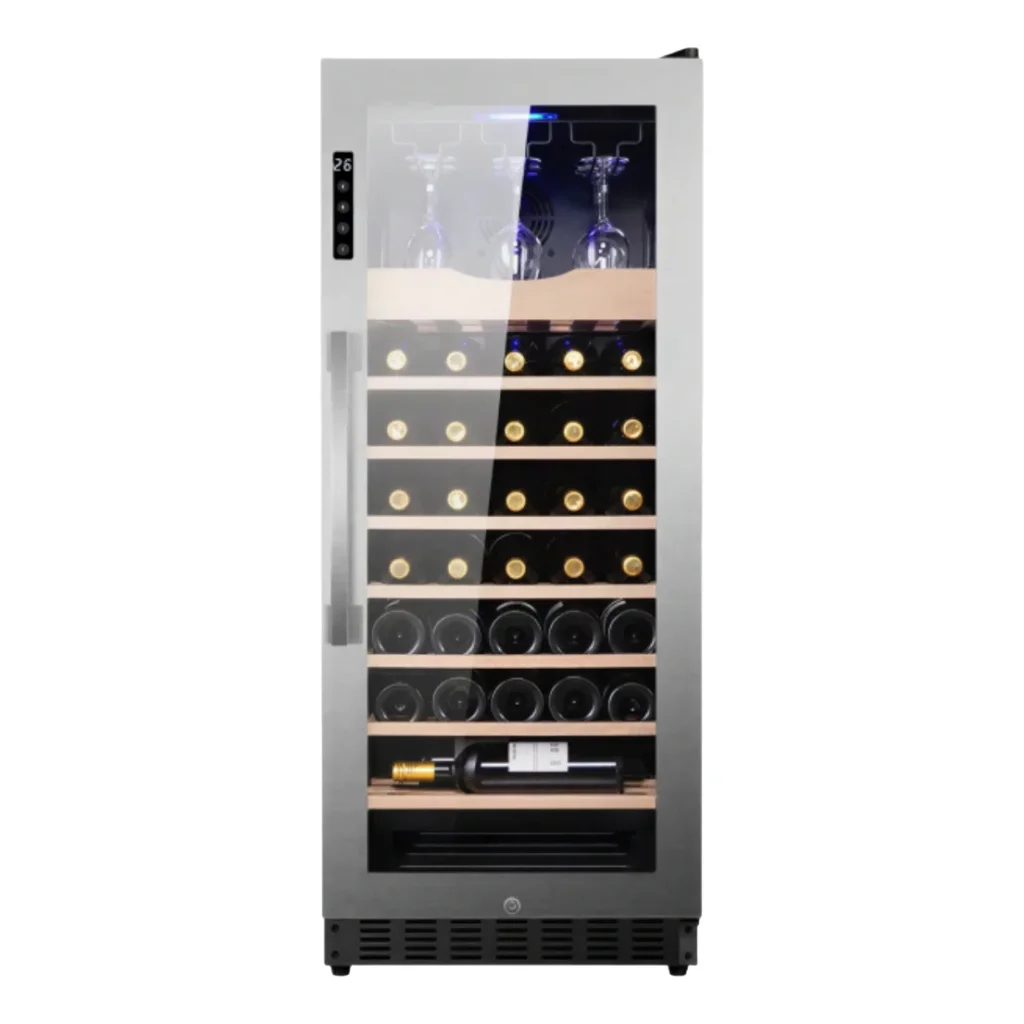
Wine service can separate a good restaurant from an exceptional one. A well-planned program helps lift check averages while giving guests better experiences and staff recommendations they trust. Diners rarely notice the equipment behind it, particularly the wine cooler—but neglect that cooler and the bill comes later through spoiled bottles or wine served at the wrong temperature.
The gap between a purpose-built commercial wine unit and a converted household refrigerator may seem minor, but it can affect aging, service, and the program’s revenue. Temperature and humidity control, vibration, and practical shelf space all matter. Restaurants should weigh those differences before buying, since strong wine programs usually show the same basic pattern.

Why Wine Coolers Deserve Their Own Category
A beverage refrigerator and a wine cooler can look nearly identical, but they are built for different purposes. Beverage models chill drinks quickly, often down to 34–40 degrees Fahrenheit. Wine needs a steadier temperature—usually 45–65 degrees—with very little variation to protect the bottles from sudden changes.
That difference matters. Too much cold can mute aromas and make tannins seem harsh, so a layered red may taste dull. Heat is worse: it accelerates oxidation and can push the wine past its prime. A proper Wine Cooler keeps the temperature steady, unlike an ordinary refrigerator.
The Four Conditions Wine Actually Needs
Experienced sommeliers and beverage directors typically assess wine storage in order of importance. Neglecting even one of the four conditions can shorten the wine’s shelf life.
Keep the temperature steady. Frequent fluctuations can harm wine more than a cellar that remains slightly too warm or cool.
Humidity should stay between 50 and 70 percent; otherwise, corks may dry out and let oxygen into the bottle. Constant vibration also causes trouble, disturbing sediment and accelerating chemical breakdown. Tinted or coated glass helps protect delicate wines by blocking damaging UV wavelengths.
Any unit missing two or more of these features belongs in a home kitchen, not on a restaurant service line. Operators comparing a wider range of models can consult the commercial wine cooler buying guide before choosing.
Common Mistakes When Using a Beverage Refrigerator for Wine Storage
Many operators try to cut costs by storing wine in a standard beverage refrigerator, but this often leads to spoiled inventory. The aggressive cooling cycles designed to chill sodas and beers quickly create temperature swings that damage wine over time. Additionally, the low humidity levels inside these units can dry out corks, while the constant compressor vibration disturbs the sediment in aged bottles. For any serious wine program, investing in a dedicated unit is the only way to protect product quality.
Matching Wine Coolers to Restaurant Type
Wine storage should match the restaurant’s service and selection. A neighborhood bistro offering 20 to 40 labels can usually manage with a 1-zone, under-counter unit. With 50 to 150 labels, a wine bar will generally need a 2-zone upright cooler. Fine-dining restaurants carrying 100 to 500 labels may need multi-zone equipment or a walk-in cooler, typically with 2 to 3 zones.
| Restaurant Type | Wine Labels | Recommended Cooler | Zones |
| Neighborhood Bistro | 20 to 40 labels | Single-zone under-counter | 1 |
| Wine Bar | 50 to 150 labels | Dual-zone upright | 2 |
| Steakhouse | 80 to 300 labels | Dual-zone with red bias | 2 |
| Hotel Restaurant | 40 to 100 labels | Dual-zone upright | 2 |
| Fine Dining | 100 to 500 labels | Multi-zone or walk-in | 2 to 3 |
A bistro can often manage with one well-positioned cooler. Wine bars and steakhouses usually need separate storage because red and white wines are served at different temperatures. Once the selection passes a few hundred labels, most venues need several units or a dedicated wine room. Operators still choosing equipment can see practical options for different service formats in the guide to choosing a wine cooler for a bar.
Under-Counter vs Upright Formats
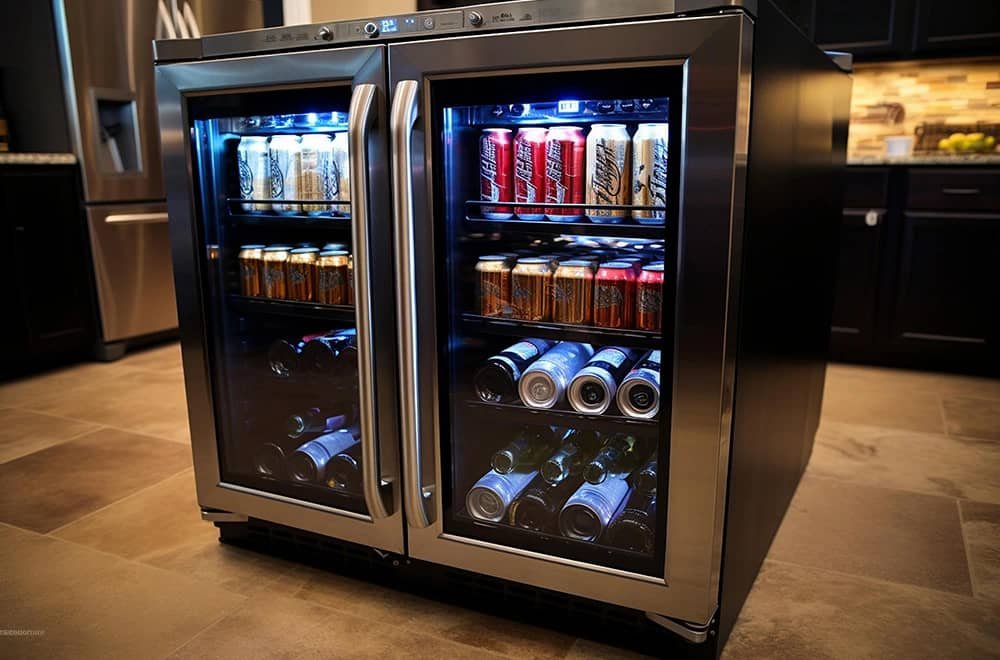
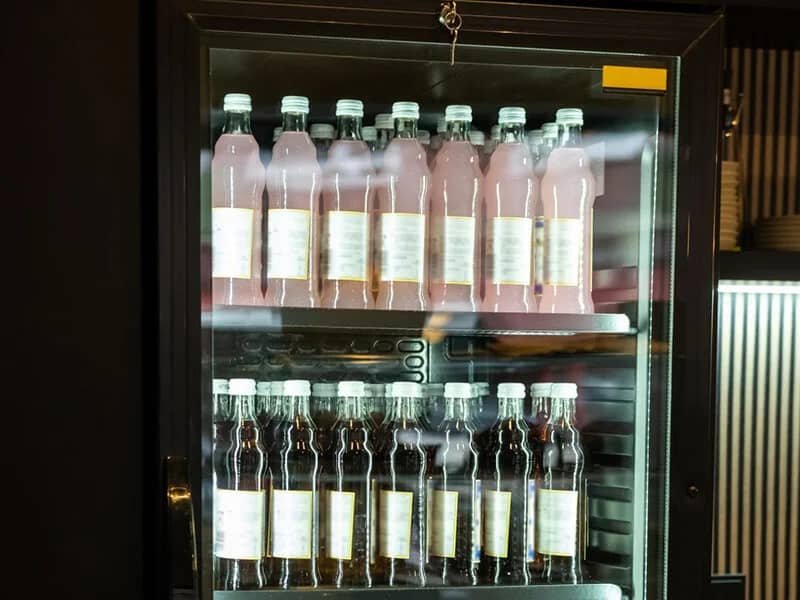
Under-counter units slide beneath prep areas or back bars, so bottles stay within easy reach of the service pass. Upright cabinets offer more storage and a stronger presence, making them a better fit when the wine collection should be visible in the dining room. The right choice depends on the floor plan, the size of the list, and how much attention the wine program should draw.
Some operators split the work between two units. An upright refrigerator near the entrance displays merchandise, while a sturdier under-counter model at the service station handles frequent pouring and repeated opening. The display case stays neat, and the service unit takes the daily wear.
How Zone Configuration Impacts Service Efficiency
The number of temperature zones directly affects how smoothly a restaurant can serve different types of wine. Single-zone units are simple and cost-effective for venues with a focused list, but they force all bottles to be stored at one temperature. Dual-zone models allow reds and whites to be kept at their ideal serving temperatures simultaneously, eliminating the need to pull bottles early for temperature adjustment. For larger collections, multi-zone or walk-in systems provide the flexibility to store sparkling wines, delicate whites, and bold reds all at their optimal conditions, ensuring every bottle is ready to serve when ordered.
Temperature Zones Matter More Than Most Buyers Realize
Temperature can change a wine completely. A crisp Sancerre poured at 55 degrees loses some of its brightness, while a Napa Cabernet served at 68 can taste heavy and overly alcoholic. Holding every bottle at the same temperature quietly undermines the restaurant’s entire wine program.
Ideal Serving Temperature Ranges
Most professional wine programs work within the ranges below, though a skilled sommelier may adjust the temperature slightly for a particular bottle.
Sparkling wines: 40 to 45 degrees Fahrenheit
Serve light whites and rosés at 45–50 degrees.
Fuller-bodied whites show best at 50–55 degrees.
Light reds belong at 55–60 degrees; full-bodied reds at 60–65 degrees.
Dual-zone wine coolers simplify the process. One section holds whites and sparkling wines at a lower temperature, while the other keeps reds ready to serve. Staff can reach for the correct bottle without additional preparation, which speeds service and helps protect quality. Triple-zone models include another, colder section for sparkling wine.
When Single-Zone Units Still Work
A single-zone unit may be all a restaurant needs. If the menu centers on one style of wine, or the staff decant bottles before service, maintaining the proper temperature should be straightforward. Choose equipment that matches the team’s actual routine, not an imagined ideal.
Capacity Planning Without Overbuying
Many first-time buyers misjudge capacity. An oversized unit wastes money and valuable floor space; an undersized one may force staff to store bottles poorly, eventually damaging the glass.
Begin with the wine list, not the equipment brochure. Your capacity estimate should reflect the demands of actual service.
First, count every SKU currently offered—or planned for the list.
For each SKU, use its average par level—typically three to six bottles—and then add 20 percent to cover seasonal products and backup stock. Check that total against the cooler’s stated capacity, relying on the manufacturer’s realistic bottle count rather than the maximum figure.
Only add another unit or choose a larger model when the total load exceeds 85 percent of the rated capacity.
Manufacturer capacity figures deserve some skepticism. A cooler labeled for 100 bottles might hold that many only if all of them have the same standard Bordeaux shape. Burgundy and Champagne bottles, as well as larger formats, occupy more space and may reduce the usable capacity considerably. Buyers should check whether the rating came from testing with mixed bottle sizes; that result will better reflect what the cooler can actually hold in a restaurant.

Durability, Compressors, and the Details That Age Well
Restaurant equipment endures constant strain: doors swing open throughout the day, kitchen heat rises and falls, and frequent cleaning wears down surfaces. Commercial Wine Coolers are built to handle that treatment; household models usually are not.
What Makes Commercial-Grade Units Different
Certain design details show whether a unit can withstand the demands of restaurant work. Review them before purchasing to avoid the failures that occur most often.
Hot kitchens need consistent cooling, and compressors provide it. Thermoelectric systems tend to perform less reliably in that environment.
Front-facing vents allow the units to sit close to a wall or under a counter without overheating.
The stainless-steel interior resists spills and cleaning chemicals, while reinforced wooden shelves support heavy bottles without sagging.
Digital temperature controls retain their settings through power outages with memory backup.
UV-treated, dual-pane glass shields the wine from damaging light while keeping the bottles visible.
In a busy restaurant, a well-made Wine Cooler typically lasts eight to twelve years. Consumer models used for commercial work often fail within two or three years, and their warranties seldom cover that use.
Placement Affects Lifespan More Than Buyers Expect
Even a well-made unit may fail early when it’s installed in a poor location. Keep it away from ovens, dishwashers, and direct sunlight; excess heat makes the cooler work harder and cuts its lifespan. Decide where it will go before construction begins. A guide to choosing a wine refrigerator for a business explains suitable placement for different venues.
Merchandising and the Guest Experience
A wine cooler is not just storage. Put it somewhere visible, and it adds to the dining room’s atmosphere; customers notice the wine, and staff often sell more.
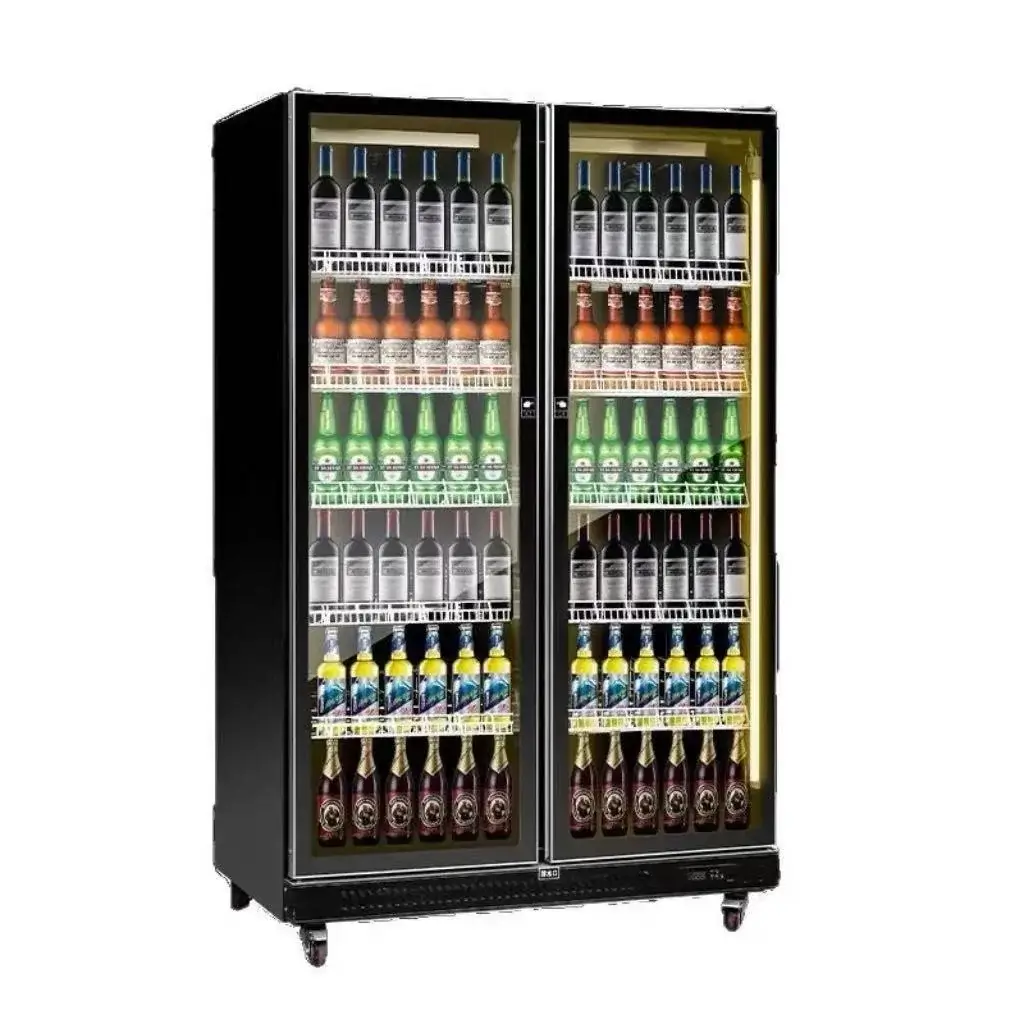
A glass-front drinks refrigerator near the entrance, paired with a separate wine cooler, makes the restaurant’s attention to both beverages visible. Guests tend to explore more when they can inspect the bottles themselves; seeing an unfamiliar wine often persuades them to try it instead of sticking with a name on a printed menu.
Lighting changes the whole display. A soft, warm LED strip helps the labels stand out and draws the eye without flooding the area with light. Cool white has the opposite effect; it looks clinical and washes the design out. The best displays feel like neatly arranged shop shelves rather than refrigerator cases.
The Bigger Picture on Wine Coolers
Choosing the right wine cooler can shape a restaurant’s entire wine program. When wine helps define the restaurant’s identity, reliable equipment protects the inventory, keeps service running smoothly, and shows guests that the details matter. Cheap units often cause trouble later: spoiled bottles, awkward pours, and a wine program that never quite finds its footing.
Choose the unit based on the way the service operates, the wine you carry, and the room available for the list. Buyers who sort that out first are more likely to choose equipment that eventually pays for itself. The bargain option may need replacing within a few years, and it could spoil stock before that happens. Take the time to get it right.
Frequently Asked Questions
How many wine coolers does a mid-size restaurant typically need?
Two units are generally enough: a dual-zone upright cooler for bulk stock and a smaller under-counter model beside the service area. Bottles stay within easy reach, with room for both reserve storage and quick pours.
Can a beverage refrigerator hold wine in a small venue?
Yes, for a short time. It works for ordinary drinking wines, but these refrigerators are generally too cold and dry for bottles meant to age or command a higher price.
What warranty coverage suggests a wine cooler is genuinely built for commercial use?
A commercial unit should come with at least two years of parts-and-labor coverage and a five-year compressor warranty. Less than that could mean it’s a consumer model marketed as commercial equipment.