
Combi Freezers: What They Are and Who Needs One
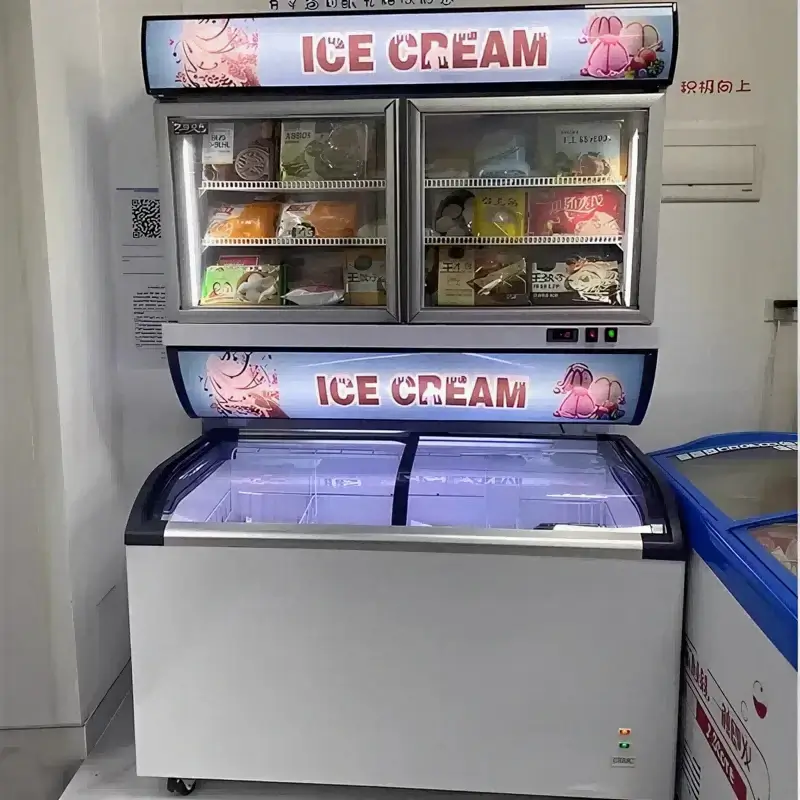
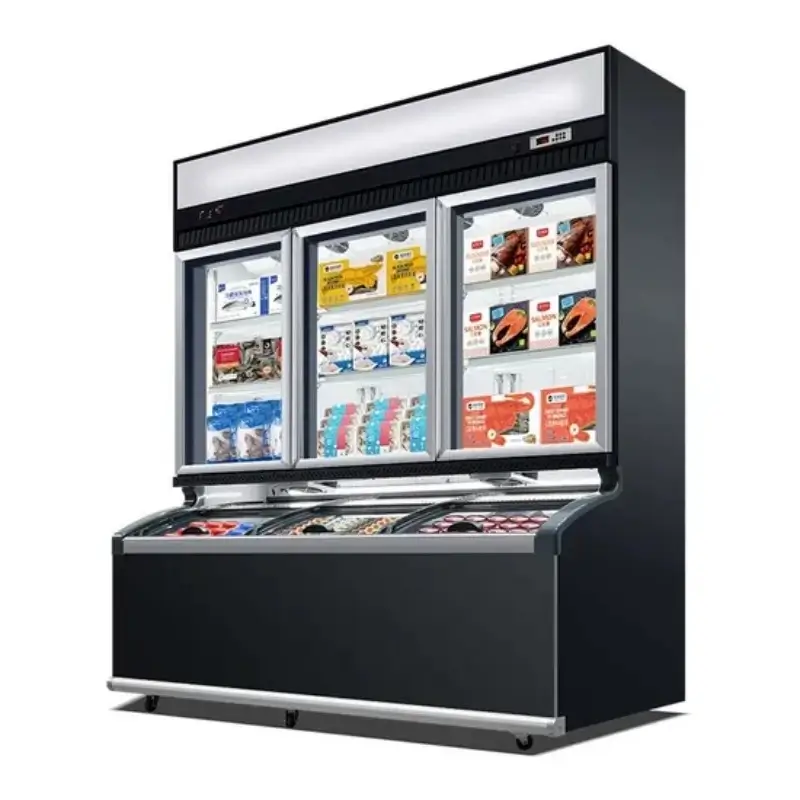
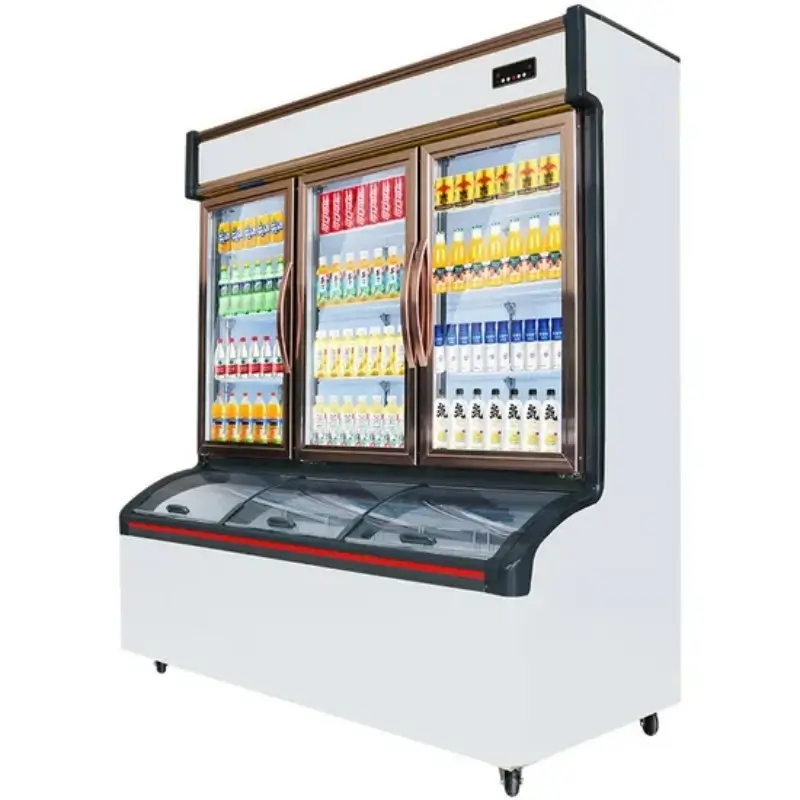
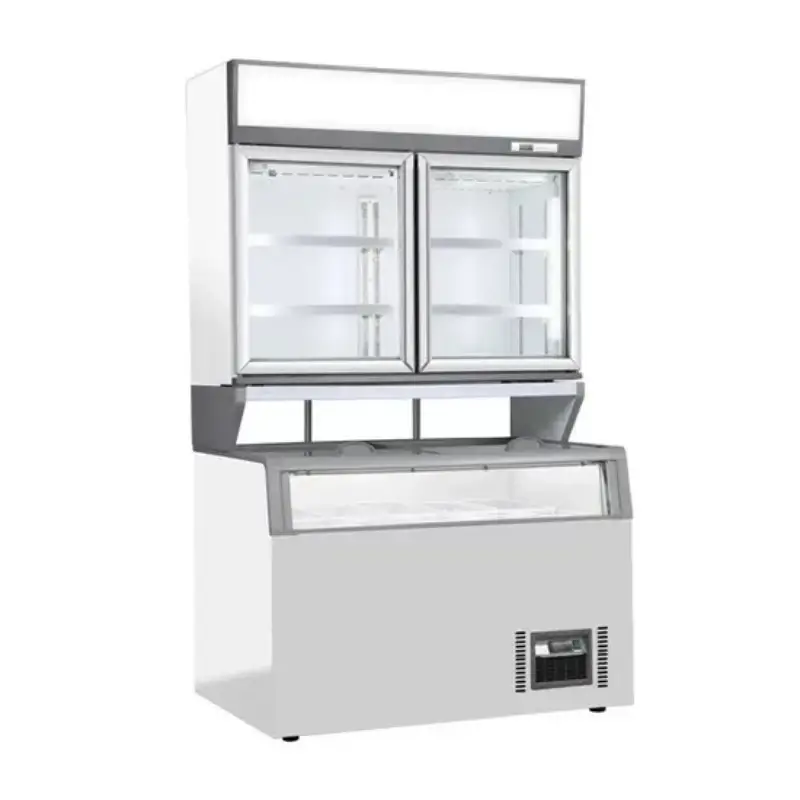
One appliance can cover both jobs. For kitchens short on space, storage capacity, or money for equipment, a Combi Freezer offers a practical solution: one commercial cabinet with two temperature zones, keeping food refrigerated and frozen separately.
This guide breaks down how Combi Freezers work, which businesses benefit most from them, and how they compare with other Commercial Freezer options. Its purpose is simple: help buyers select the right unit.
How a Combi Freezer Works
Dual-Zone Temperature Design
A Combi Freezer has two independently controlled compartments. The refrigerator section typically runs at 32°F to 41°F (0°C to 5°C), while the freezer remains between -10°F and 0°F (-23°C to -18°C). Separate thermostats and airflow systems let operators adjust either compartment without changing the temperature in the other.
This two-zone design handles two jobs without forcing a small commercial kitchen to buy and maintain separate equipment. One unit fits in the same space and runs from a single power connection.
Compressor and Insulation Technology
Quality combi units usually follow one of two layouts. Some give each zone its own compressor and cooling cycle, which provides the most accurate temperature control. Others use one compressor with a solenoid valve; they cost less initially, but both zones share the same cooling system, and efficiency can drop slightly under heavy use.
A 2.5- to 3-inch layer of dense foam separates the two compartments and lines the outside walls. It slows heat transfer, keeping the freezer from warming the refrigerator and preventing the refrigerator from altering the freezer’s temperature. This matters even more in warm workplaces, where effective insulation helps keep temperatures steady without wasting power.
Who Should Use a Combi Freezer
Restaurants and Commercial Kitchens
Restaurants have a clear use for Combi Freezers. Their kitchens need chilled storage for items like vegetables, dairy, and sauces, along with frozen space for proteins, prepared dough, and ice cream. One unit covers both needs, leaving operators without the need to dedicate separate floor space to a full-size refrigerator and a Commercial Upright Freezer.
In expensive city kitchens, wasted floor space quickly becomes a cost. A Combi Freezer placed beside the prep station keeps chilled and frozen ingredients within reach, so cooks do not have to cross the room.
Convenience Stores and Small Retailers
Small stores often sell cold drinks and frozen snacks in the same limited area. A single Combi Freezer accommodates both, freeing room for another display case or making it easier to move through the shop.
For products that need to catch shoppers’ eyes, an Island Freezer generally makes more sense on the sales floor. If the unit sits behind a counter or in storage, a combi model can keep frozen and chilled stock together, saving space and avoiding the visual clutter of two separate machines.

Bakeries and Patisseries
Bakeries need chilled space for ingredients such as butter and cream, as well as frozen dough and finished desserts awaiting delivery. A Combi Freezer keeps both categories together near the work area.
Catering and Event Services
Storage needs shift with the season. During a rush, kitchens may need a large freezer for prepared meals; when business slows, refrigerated space for fresh ingredients can matter more. Certain advanced combi units handle both jobs, switching a zone between freezer and refrigerator temperatures—an option single-purpose equipment does not provide.
Combi Freezer vs. Other Commercial Freezer Types
Your choice comes down to the food you store, the space available, and the way your business runs. Here is how a Combi Freezer compares with two widely used commercial models.
| Feature | Combi Freezer | Commercial Upright Freezer | Island Freezer |
| Temperature Zones | Two zones: refrigerator and freezer | One freezer zone | One freezer zone |
| Best Use Case | Storing chilled and frozen products | Storing large quantities of frozen goods | Displaying products for retail sale |
| Floor Space Efficiency | High: combines two functions in one footprint | Moderate | Low: requires a wider footprint |
| Product Visibility | Low: the door remains closed | Low to moderate; glass-door models improve visibility | High: open-top access |
| Energy Efficiency | Moderate to high | High | Moderate |
| Typical Capacity | 300–700 liters total | 400–900 liters | 200–600 liters |
| Ideal Industry | Restaurants, bakeries, and catering operations | Warehouses and large kitchens | Supermarkets and retail stores |
When a Commercial Upright Freezer Fits Better
Businesses that store large amounts of frozen food—such as meat processors, frozen-food distributors, and institutional kitchens—will usually get more from a dedicated Commercial Upright Freezer. Its shelves hold more frozen stock per square foot, so staff can check inventory and find products faster during busy service. A combi unit sacrifices some of that freezer space for refrigeration, which adds little value when every product is frozen.
When an Island Freezer Fits Better
Island Freezer units work well in shops that want frozen goods clearly displayed. Customers can see and reach the products through the open top or glass lid, making an unplanned purchase more likely. Supermarkets, gas stations, and frozen-dessert stores commonly use them for this purpose. A Combi Freezer’s closed doors do not offer the same visibility or access.

Key Features to Evaluate Before Buying
Capacity Split
Combi units split their capacity in different ways. One might give 60% to refrigeration and 40% to freezing, while another reverses that arrangement. Choose based on the way the storage will be used.
List every product category requiring chilled space and estimate the combined volume.
Do the same for frozen goods, including seasonal surges that may briefly shift the required balance.
Choose the split that meets the higher demand while leaving a 15–20% reserve.
Temperature Range and Control
Food safety and product quality depend on steady, accurate temperature control. Choose a unit with a digital thermostat for more precise adjustments than an analog dial. A display mounted outside the cabinet allows staff to check conditions without opening the doors, and both audible and visual alarms can warn them when temperatures move into an unsafe range. Separate controls for each zone prevent a change in one from affecting the other.
Build Quality and Materials
Commercial kitchen equipment takes constant abuse from heat, moisture, grease, and daily handling. Stainless steel is the usual choice for the exterior because it resists corrosion and cleans up easily. The interior liners must stay intact at very low temperatures, and shelf supports need to hold heavy loads without bending out of shape.
Check the door gasket carefully. Usually made of rubber or silicone, it seals the opening and keeps cooled or heated air inside. Some higher-quality gaskets include magnetic strips that press them securely around the full door frame. When the seal deteriorates, the compressor runs more often and for longer periods, increasing energy costs and wearing out its parts sooner.
Energy Consumption
Running a Combi Freezer year after year can push your electricity bill noticeably higher. Newer, more efficient models reduce that expense by adjusting compressor output to match cooling demand, using low-heat LED lights, closing the doors automatically, and adding thicker insulation so the compressor runs less often.
When you compare models, look for an energy-efficiency certification recognized in your market. The higher upfront cost generally pays for itself through lower utility bills within 2-3 years.
Mobility and Installation
Locking casters let staff roll many Combi Freezers aside for cleaning or kitchen changes. Measure each doorway and corridor along the delivery path before ordering, since these units can stand taller than standard upright freezers. Keep 4-6 inches of clearance around the vents so condenser heat can dissipate.
Maintenance Practices That Extend Equipment Life
Regular care keeps a Combi Freezer running efficiently and lowers the risk of a costly breakdown during busy periods. Follow a simple schedule.
Each week, wash the door gaskets with warm, soapy water. Clearing away debris helps the doors close tightly. Once a month, remove dust from the condenser coils so air can circulate and the compressor does not have to work as hard.
Every three months, inspect the fans, drain lines, and thermostat calibration. Have a professional check the refrigerant, compressor, and electrical connections once a year.
Neglecting condenser cleaning may increase energy consumption by 15–25% and shorten a compressor’s service life considerably. If a business runs multiple units—such as a combi model alongside an Island Freezer or a separate upright—maintenance should be staggered to prevent every machine from going offline at once.
Making the Right Choice for Your Business
A Combi Freezer stores chilled and frozen stock in a single compact unit, which suits restaurants, bakeries, caterers, and small retailers working with limited space and mixed-temperature goods. If a business holds mainly large volumes of frozen products, a dedicated Commercial Upright Freezer will usually perform better. Retailers that need customers to see products clearly may prefer an Island Freezer placed near the front of the store.
Before buying, buyers should estimate their current chilled and frozen storage needs, including likely future demand. Measure the available floor space carefully; the unit will need clearance for ventilation and for the door to open. Energy ratings can help compare long-term running costs, while warranty terms, local servicing, and spare-parts availability also need checking.
The cheapest option may cost more over time. A good Combi Freezer should earn its price through reliable daily service, while saving space and keeping chilled and frozen food safely stored in one machine.
Frequently Asked Questions
Q1: Can a Combi Freezer replace a separate refrigerator and freezer?
In most small or medium-sized businesses, yes, provided storage demands are moderate. Operations that keep substantial frozen inventory may still require a dedicated freezer.
Q2: What capacity split ratio works best for a typical restaurant kitchen?
For most restaurant kitchens, a 60/40 split works well, giving refrigeration the larger share. Kitchens that rely heavily on protein may need more freezer space, closer to 50/50 or even 40/60.
Q3: How long does a commercial Combi Freezer typically last with proper maintenance?
A well-maintained commercial Combi Freezer generally lasts 8–12 years. Regular condenser cleaning and timely gasket replacement help keep it running properly for longer.