
Every foodservice operator reaches the same conclusion sooner or later: a household freezer cannot handle the workload. Whether it is a busy steakhouse, a neighborhood convenience store, or a catering operation preparing hundreds of meals, reliable cold storage is part of the daily routine. Built for sustained use and heavier loads, commercial freezers maintain consistent temperatures that protect product quality and customer safety.
This article defines a commercial freezer, reviews the main types available, and examines why businesses invest in them. Kitchen managers and store owners offer practical, day-to-day perspectives, giving buyers a clearer sense of which unit may suit their workflow.
What Exactly Is a Commercial Freezer
A commercial freezer is designed for the steady demands of a professional kitchen, where it may handle high volumes without the stop-and-start pattern common in household appliances. Its doors can be opened repeatedly, the surrounding kitchen may be warm, and large quantities of product may be placed inside.
The main differences include:
- Stronger compressors that restore the temperature quickly after the doors are opened
- Heavy-duty stainless steel construction selected for durability and hygiene
- Larger storage capacity, generally expressed in cubic feet instead of liters
- NSF or ETL certification for operation in regulated foodservice settings
- Accurate temperature control that can hold -18°C (0°F) or below
A commercial freezer is not simply an oversized refrigerator. It is designed to protect the value of stored inventory while meeting food safety standards every day.
The Main Types of Commercial Freezers
Freezer requirements differ between kitchens and shops. Choosing the wrong unit may waste valuable space, increase energy costs, and frustrate staff. Buyers should first familiarize themselves with the main categories available.
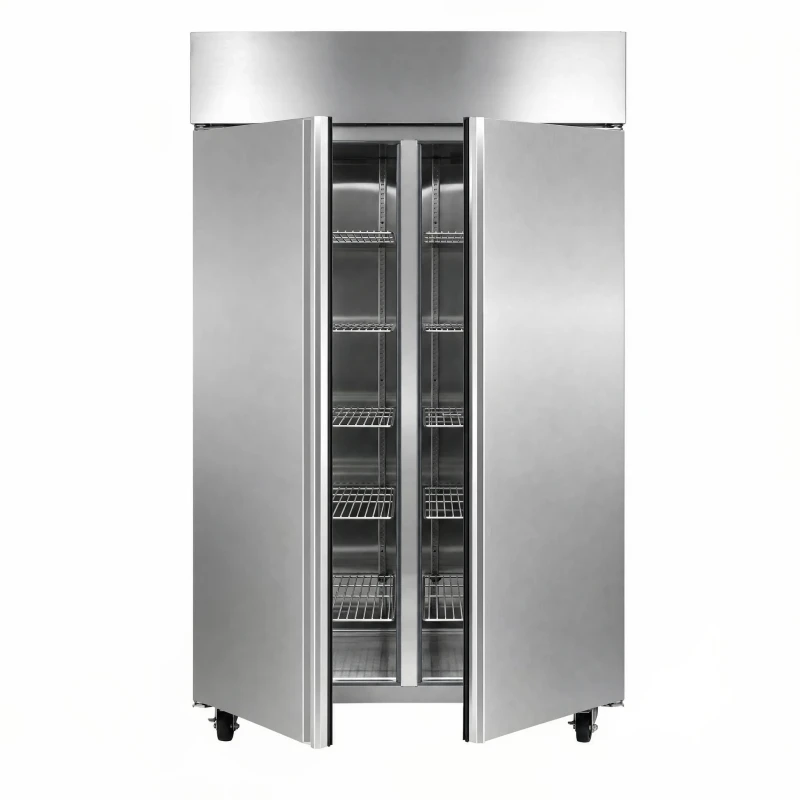
Commercial Upright Freezer
A commercial upright freezer looks much like a tall household refrigerator, though it offers considerably more storage and is designed for more demanding use. With ingredients arranged on vertical shelves, staff can locate what they need quickly instead of wasting time. Its slim footprint also makes it well suited to cramped back-of-house areas.
Restaurants that need quick access to ingredients and an immediate view of available stock often choose this arrangement. It pairs particularly well with first-in-first-out stocking, which chefs repeatedly cite as a way to stay productive during the dinner rush.
Chest Freezer
A chest freezer has a top-opening lid and a deep compartment that provides plenty of room for food. Its main advantage is energy efficiency. Since cold air is heavier, it stays inside when the lid is raised, helping lower electricity costs while keeping bulk foods—such as frozen meat, seafood, and tubs of ice cream—preserved for longer.

The trade-off is accessibility: retrieving items from the bottom takes effort. For that reason, chest freezers suit businesses that store products long-term better than those needing frequent access.
Reach-In Freezer
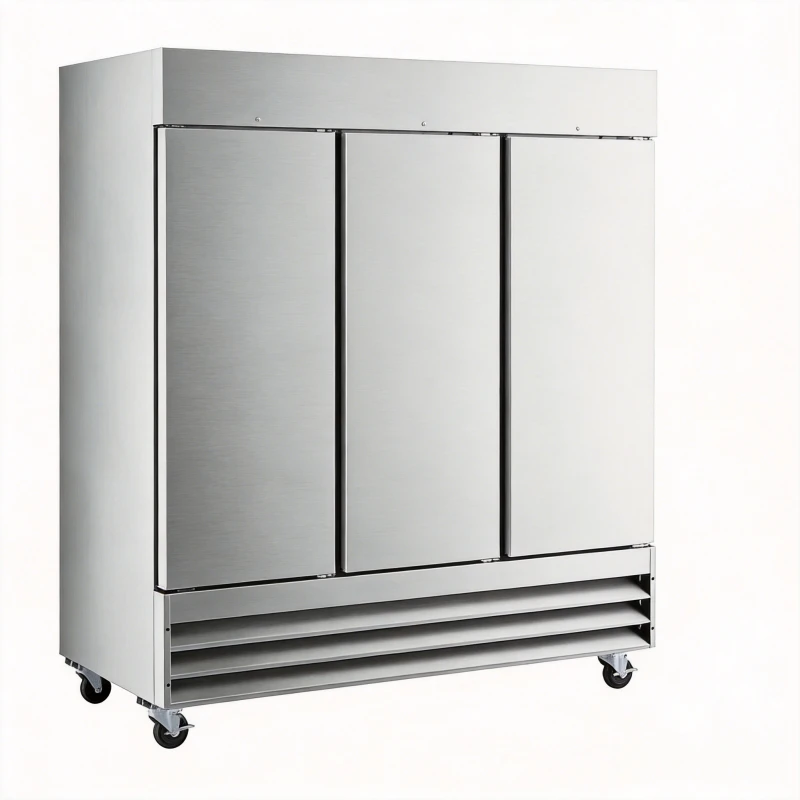
A reach-in freezer is the stainless steel unit found in nearly every professional kitchen. It typically has one, two, or three solid doors, allowing staff to grab ingredients quickly during service. These freezers come in several widths, with some models fitted with half-doors, drawers, or specialty racks.
Head chefs often describe reach-in freezers as the “operational heart” of their line stations: essential ingredients remain close at hand.
Display Freezer
A display freezer does more than keep frozen goods cold: it presents them where customers can see them. Supermarkets, ice cream parlors, and convenience stores commonly use these units, typically fitted with glass panels, interior LED lighting, and shelves arranged to showcase the products. The setup can encourage impulse purchases while keeping the goods at safe temperatures.
Retailers often see frozen-category sales increase when display freezers are brightly lit, since clearer product visibility can lead directly to higher revenue.
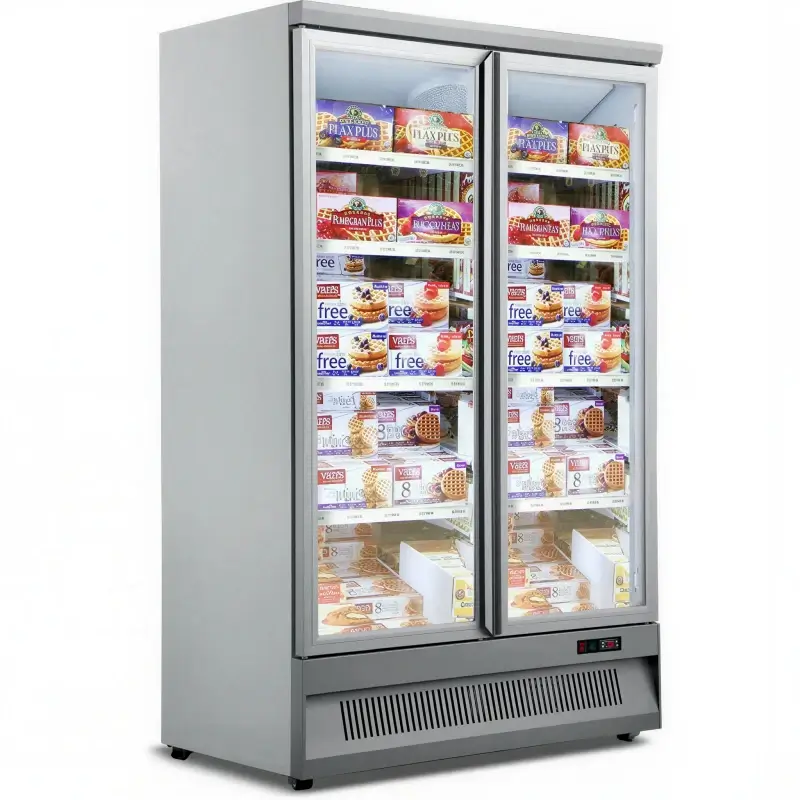
Double Door Display Freezer
A double door display freezer gives a store more room to present frozen goods without requiring twice the floor space. It suits retailers with a wide assortment, from meal kits to novelty desserts. The two glass doors also make browsing easier when the store is busy, since shoppers are less likely to crowd around a single opening.
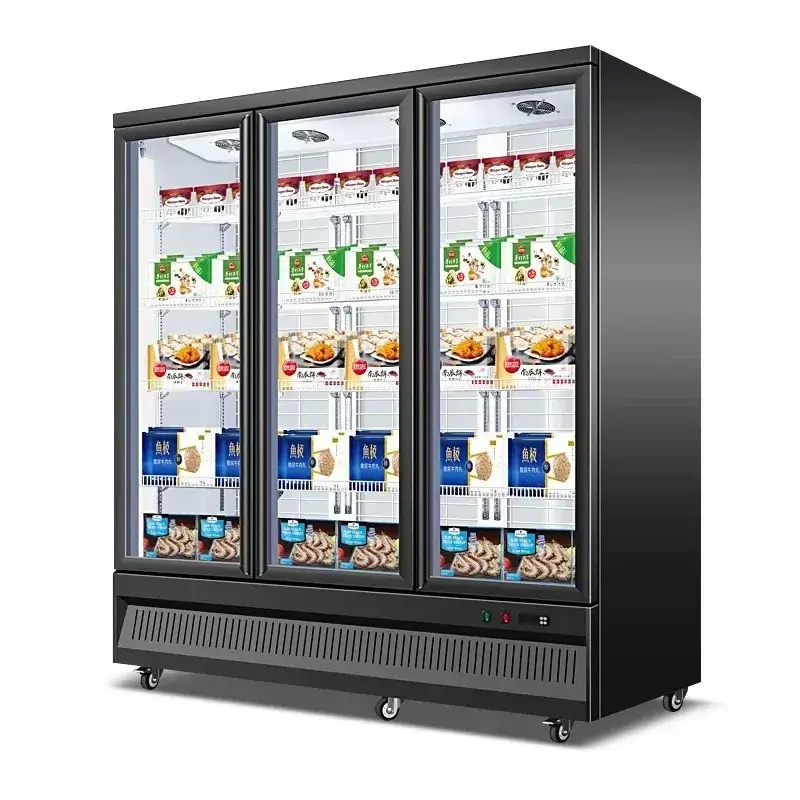
For businesses designing flexible interior layouts, adjustable shelving can be a major benefit. Before buying, many operators consult guides to adjustable shelving for three-door commercial freezers to learn more about the subject.
Quick Comparison of Freezer Types
The table below compares each style across important purchasing factors, giving operators a starting point as they narrow their choices.
| Freezer Type | Best For | Energy Efficiency | Accessibility | Merchandising Value |
| Commercial Upright Freezer | Restaurant kitchens, cafés | Moderate | High | Low |
| Chest Freezer | Bulk storage, bakeries | High | Low | Low |
| Reach-In Freezer | Line stations, prep areas | Moderate | Very High | Low |
| Display Freezer | Retail, convenience stores | Moderate | High | Very High |
| Double Door Display Freezer | Supermarkets, large retailers | Moderate | Very High | Excellent |
Why Your Business Needs a Commercial Freezer
For many businesses, professional cold storage is not a luxury—it is a basic part of building for growth. These are the practical reasons operators most often give when explaining their purchase decisions.
1. Food Safety Compliance
Health inspectors require frozen goods to stay at or below -18°C (0°F) at all times. Commercial freezers maintain that temperature even with heavy use; household models, by contrast, often fluctuate. Keeping temperatures steady limits bacterial growth, protects customers, and helps the business comply with local health codes.
2. Bulk Purchasing Power
Having more storage space can change the way operators purchase supplies. It allows them to:
- Buy proteins, produce, and prepared foods in larger quantities
- Negotiate lower prices with suppliers
- Take advantage of seasonal discounts
- Reduce delivery frequency and lower logistics costs
The savings can accumulate quickly, often covering the commercial freezer’s cost within the first year.
3. Reduced Food Waste
Waste eats directly into margins. With a dependable commercial freezer, surplus prep, leftover ingredients, and slower-moving inventory can be kept from spoiling. After upgrading their cold storage, kitchen managers who track waste carefully often report reductions in the double digits.
4. Menu Flexibility and Consistency
Freezing stocks, sauces, doughs, and proteins before service helps kitchens work faster when orders come in. Ticket times drop, while flavor remains consistent from one shift to the next. For catering businesses, the added flexibility matters even more: they can plan weeks without sacrificing quality.
5. Boosted Retail Sales
For shops and supermarkets, a display freezer—or a double door display freezer—is not simply a way to keep products cold. It also sells quietly. Bright lighting, clear glass, and neatly arranged shelves invite customers to browse, and for impulse purchases, seeing the product may matter more than its price.
How to Choose the Right Commercial Freezer
Selecting a commercial freezer takes more than looking at capacity. Buyers need to consider several factors at once; otherwise, they may overspend or end up with equipment that cannot keep up with the operation.
Assess Space and Workflow
Start by measuring the planned location, including room for the door to open, adequate ventilation clearance, and clear paths for staff. A unit that is too large and obstructs a walkway may cause more trouble than it is worth.
Match Capacity to Volume
Buying only for current needs is a common mistake. Operators should leave 15–20% extra capacity for growth, seasonal spikes, or an expanded menu.
Consider Energy Costs
Models with an ENERGY STAR rating are worth considering. The upfront price may be slightly higher, but utility savings over five to seven years typically cover the difference.
Evaluate Build Quality
Stainless steel exteriors, self-closing doors, and quality gaskets are among the features that can lengthen a unit’s service life. Cheaper models may lower the upfront cost, but in commercial settings they often fail within a few years.
Think About Merchandising
Retailers have to think about appearance as much as performance. A reach-in freezer in the back room can keep products stored efficiently; up front, a glass-door display freezer puts them where customers can see them and may encourage sales. Often, the best approach is to use both.
Common Mistakes to Avoid
Even experienced buyers sometimes make the wrong call when choosing cold storage. Common pitfalls include:
- Failing to account for ventilation requirements, which puts additional pressure on the compressor and can shorten its lifespan
- Choosing appearance over performance, especially in kitchens where speed matters more than looks
- Neglecting noise levels in areas visible to customers
- Not researching warranties and service networks
- Underestimating the value of adjustable interior components
Seemingly minor oversights like these can turn into serious operational headaches over time.
Maintenance Tips for Long-Term Performance
A commercial freezer represents a significant investment, so regular maintenance helps preserve its value. The following tasks should become part of every operator’s weekly and monthly routine:
- Clean the condenser coils every three months to keep the unit running efficiently.
- Once a month, inspect the door gaskets for cracks or gaps.
- If the unit is manual, defrost it regularly to stop ice from building up.
- Calibrate the thermostats at least twice each year.
- Organize the interior carefully, leaving enough room for air to circulate the products.
Facilities that follow these practices commonly report 10 to 15 years of reliable service from a quality unit.
Final Thoughts
A commercial freezer is more than a piece of equipment. It can influence food safety, profit margins, and the customer experience. In a back-of-house setting, a commercial upright freezer may be the most practical choice. For bulk preservation, a chest freezer is better suited, while a reach-in freezer allows staff to access items quickly during service. In retail, a display freezer—or a double-door display freezer—can put products more prominently in view. The right choice depends on how well the freezer’s features match the workflow.
Businesses that treat freezer selection as a strategic decision rather than a routine purchase often see effects on daily operations and long-term profitability.
FAQ
Q1. How long does a commercial freezer typically last?
With proper maintenance, most commercial freezers last 10 to 15 years. Cleaning the coils regularly, inspecting the gaskets, and not overloading the unit can extend its service life considerably.
Q2. Is a commercial freezer worth it for a small café?
Yes. Buying in bulk, reducing waste, and keeping temperatures steady can help even small cafés. In most cases, the investment pays for itself during the first year of operation.
Q3. What temperature should a commercial freezer maintain?
Commercial freezers must remain at -18°C (0°F) or colder at all times to meet food safety regulations and preserve product quality during extended storage.