

The Strategic Value of Right-Sized Freezer Solutions for Compact Retail Spaces
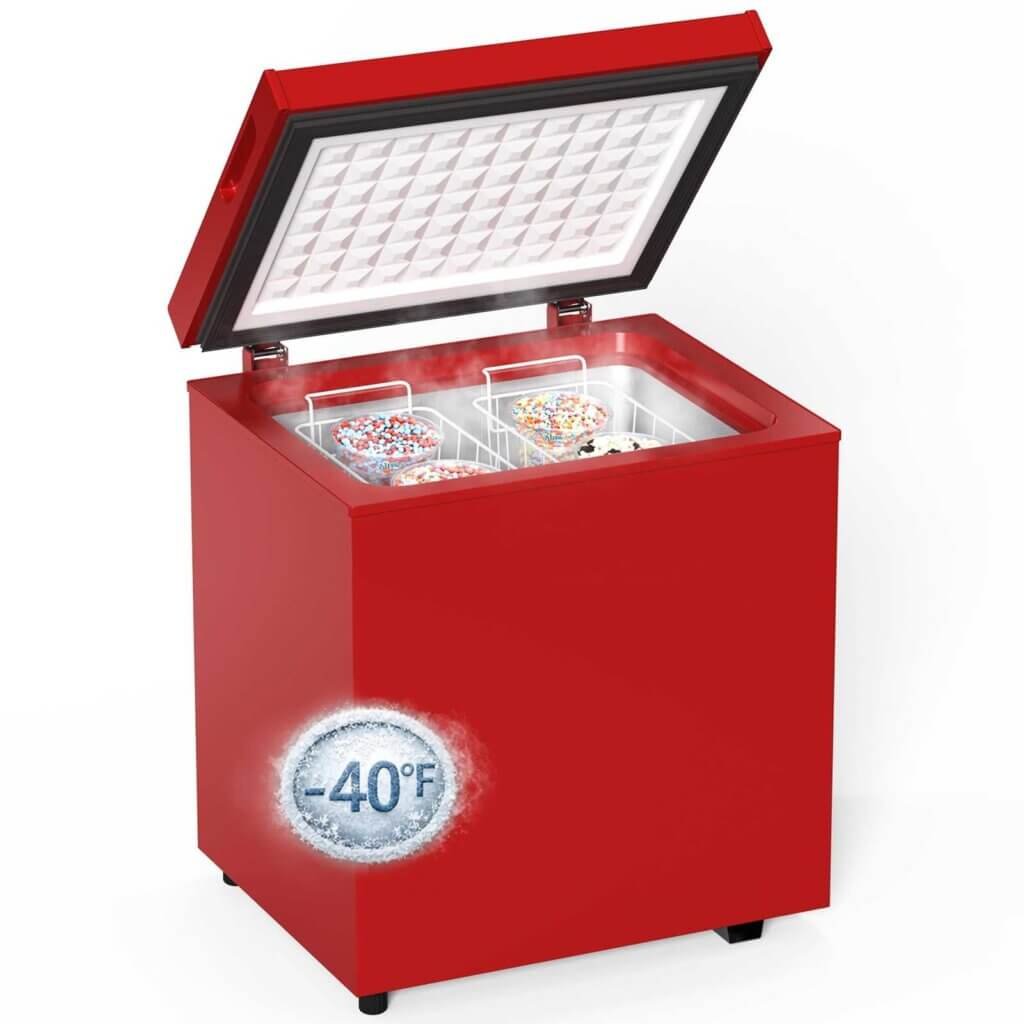
For a small retailer, buying a commercial freezer requires careful thought. Space and money are limited, so storing more frozen goods than the shop can sell is wasteful. A compact chest freezer offers a practical fit for convenience stores, specialty food shops, cafés, and boutique retailers that need reliable storage without excess capacity.
Freezer size affects profit immediately. An oversized unit uses unnecessary electricity, occupies valuable selling space, and costs more upfront. A freezer that is too small means frequent restocking, little room for promotions, and slower daily work. The Small Chest Freezer gives a small business enough room for regular operations without adding excessive space requirements or running costs.


Business Categories That Benefit Most from Small Chest Freezers
Convenience Stores and Corner Markets
With just 800–1,500 square feet available, neighborhood convenience stores cannot waste floor space. A 48–60-inch Small Chest Freezer fits into a compact footprint and still provides 7–12 cubic feet for ice cream, frozen snacks, bags of ice, and emergency meals.
These shops cater mostly to customers looking for something to consume immediately. Products turn over fast, which keeps storage needs low. Because the stores take up little space, they fit easily beside checkout counters—where spur-of-the-moment purchases can increase transaction values by 15-25%.
Specialty Food Retailers
Specialty grocers and artisan food stores often carry premium frozen products that move slowly. A chest freezer measuring 8–10 cubic feet provides room for imported desserts, uncommon ingredients, and specialty proteins without taking up valuable space with excess stock.
Chest freezers maintain a more consistent temperature, which helps premium products retain their quality. At $15-$40 each, they need dependable storage to prevent freezer burn and protect the texture and flavor behind their higher price.
Cafes and Small Food Service Operations
Coffee shops, juice bars, and fast-casual restaurants are turning to frozen products to increase sales. A Small Chest Freezer keeps smoothie ingredients, breakfast items, and desserts ready to serve while taking up little storage space.
Its small footprint gives businesses plenty of choice about where to install it: in the prep area, behind the counter, or in view of customers. During busy service, staff can reach popular items quickly and keep work moving.
Medical and Professional Offices
Some dental practices, veterinary clinics, and research facilities only need limited frozen storage for samples or medicines. A small chest freezer provides the necessary space at a lower cost than lab-grade equipment, and its lockable lid lets staff restrict access to materials that must remain cold.
Modern chest freezers make very little noise, which suits professional environments where patients may be nearby. Compared with upright models, they run their compressors less often.

Key Advantages Specific to Small Chest Freezers
Optimal Space Efficiency
Small retailers often measure performance by sales per square foot. A compact chest freezer makes unused corners and tight floor areas productive without crowding the store. Most 5-7 cubic foot models take up only 6-8 square feet while providing about as much storage as 15-20 linear feet of upright freezer shelving.
Because the freezer sits low, retailers can use the space above it for displays, impulse products, or seasonal decorations. One section of floor space can generate two sales opportunities.
Reduced Energy Consumption
Energy bills can take a serious bite out of a small business’s budget. A small chest freezer typically consumes 40–60% less electricity than a similarly sized upright model because cold air stays low; lifting the lid lets much less escape than opening a door.
Typical energy consumption and running costs are shown below:
| Equipment Type | Average Daily kWh | Monthly Cost ($0.12/kWh) | Annual Operating Cost |
| Small Chest Freezer (7 cu ft) | 0.8-1.0 | $2.88-$3.60 | $35-$43 |
| Upright Commercial Freezer (7 cu ft) | 1.4-1.8 | $5.04-$6.48 | $61-$78 |
| Commercial Undercounter Freezer (5 cu ft) | 1.2-1.5 | $4.32-$5.40 | $52-$65 |
Over ten years, a Small Chest Freezer cuts energy spending by more than $250-$350 compared with an upright model. That difference can cover a substantial portion of the equipment’s initial purchase price.
Simplified Inventory Management
Limited space forces stores to order only what they can realistically hold, which reduces waste. Staff can see stock levels at a glance, rotate products on schedule, and catch spoilage sooner. Most small units are only 24–30 inches deep, making their contents easy to reach instead of burying them beneath layers of stacked goods.
Busy operators often separate product categories with colored baskets or dividers. It’s a small adjustment, but it turns the Small Chest Freezer into usable, orderly storage, so staff can grab what they need within seconds, even when the rush hits.
Lower Initial Investment
For a small business, the price difference can matter. A Small Chest Freezer generally costs $300-$800; an upright commercial model of similar capacity runs $800-$1,500. Choosing the chest freezer can save $500-$700, leaving more cash for inventory or marketing.
At $500, the freezer costs about $23 a month when paid off over 24 months, making it easier for a small business to manage without straining its cash flow.
Selection Criteria for Small Shop Owners
Capacity Assessment
Start by figuring out how much storage the business will actually need. Look at weekly frozen-food sales, delivery schedules, seasonal shifts, and extra inventory for promotions or special events. Then account for expected growth over the next 12-24 months.
During normal use, keep a Small Chest Freezer roughly 60–75% full. The remaining space lets cold air move around the contents and leaves room for deliveries or an occasional large shop.
Configuration and Accessibility
The interior layout affects how the unit gets used each day. Removable wire baskets separate products, make the stock easier to inspect, and lower the risk of cross-contamination. Frequently used items stay close at hand in sliding baskets, so staff can reach them without shifting the contents below.
Certain chest freezer models let staff adjust the temperature and view it on an outside display. They can check operating conditions without opening the lid, while businesses can demonstrate to health inspectors that they monitor food-safety requirements.
Installation Requirements and Placement
Pick a practical location with dependable power and enough room around the unit. It should sit close to a standard 115V outlet, with 4–6 inches of clearance on the sides and back for airflow. The floor must support 150–250 pounds when the machine is full. Keep the unit accessible to customers, but place it where theft is less likely.
Temperature environment: Avoid locations near heat sources or direct sunlight
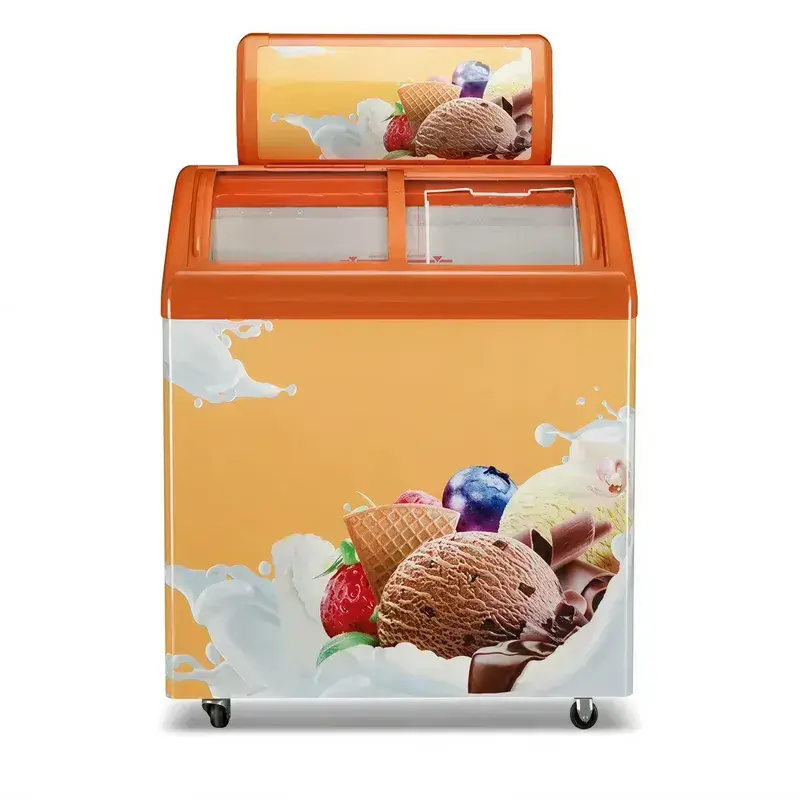
Small businesses can increase sales by placing compact chest freezers in highly visible spots. With clear glass lids on many models, customers can browse the frozen items without assistance, which may prompt an impulse purchase.
Durability and Warranty Coverage
Commercial-grade equipment typically outlasts residential models. Look for features that indicate sturdier construction, including:
●Heavy-gauge steel exteriors with powder-coated finishes
●Reinforced hinges are designed to handle over 50,000 opening cycles.
●Commercial-grade compressors continue operating in ambient temperatures up to 100°F.
●Aluminum interiors resist corrosion, and self-closing lids come with built-in gasket seals.
Warranty periods generally reflect expected service life. Entry-level models typically carry 1-year coverage, while premium Commercial Freezer units provide 2-3 years, often with extended compressor protection. Businesses should compare that extra coverage with the price gap between models.
Operational Practices for Better Efficiency
Temperature Checks and Maintenance
A stable freezer temperature helps preserve food quality and meet safety requirements. Shop owners should use an external thermometer to check and record the temperature twice daily, keeping it between 0°F and -10°F. Readings above 5°F require immediate investigation. Schedule professional maintenance once each year, ideally during a slower business period.
Clean condenser coils quarterly to maintain efficiency
Many compact chest freezers now include temperature alarms. If the temperature rises to an unsafe level, the alarm warns staff—a practical feature for small businesses where no one can monitor the freezer constantly.
Strategic Product Placement
Arrange the contents carefully so the available space works harder, and customers notice the right products. Popular items, high-margin products, new arrivals, and single-serving options should stay near the top for easy access.
Keep backup supplies, bulky packages, and slower-selling specialty items at the bottom of the freezer.
Promotional backup stock
Clear or color-coded containers let staff spot food quickly and reduce the risk of freezer burn. Adding the purchase date to every item makes FIFO (First In, First Out) rotation easier, which helps control waste and preserve freshness.
Energy Conservation Techniques
Small adjustments can reduce electricity consumption without hurting performance:
Open the door less often: Staff should gather everything they need before opening the freezer.
A reasonably full freezer stays cold more efficiently, so let food cool before storing it rather than adding it while warm.
Once a month, wipe the lid gasket with a damp cloth and check its condition. Keep the freezer away from ovens, windows, and HVAC vents, with some space around it.
These measures may lower yearly energy expenses by 10–15% while helping equipment last longer, since the compressor cycles less often.
Cost-Benefit Analysis for Small Retail Operations
Return on Investment Calculations
For a small chest freezer, the purchase can pay for itself through two separate savings streams.
Direct Sales Revenue:
Selling 100 frozen treats every week gives the convenience store $5,200 in annual revenue. A 35% margin produces $1,820 in profit, so the $600 freezer pays for itself in roughly four months.
**Competitive Positioning:**
Frozen products can give customers one more reason to shop with you instead of a competitor. Keeping only two customers each day, with an average $8 purchase, would generate $5,840 a year—more than enough to cover the equipment cost.
**Bulk Purchasing Savings:**
Supplier promotions can lower your costs over time. A 30% discount on ice cream cuts $15-$25 from each case, and buying during monthly promotions can repay the equipment investment within 6-8 months.
Comparing Other Storage Options
Small businesses may also consider alternatives to Chest Freezer equipment:
●Take up 40–50% more floor space.
●Consume 50–80% more energy.
●Cost 100–150% more upfront.
They make organization easier, but their temperatures fluctuate more.
Commercial Undercounter Freezer Units:
●Provide built-in counter space above the freezer.
●Use more energy than chest models and cost 80–120% more for the same capacity.
They work best for businesses that need accessible workspace rather than the highest possible storage efficiency.
●Let customers serve themselves more easily.
●Use two to three times as much energy.
●Cost 200–300% more than chest freezers.
They are better suited to busy locations where staff can monitor the equipment.
For most small shops with limited budgets and moderate storage requirements, a Small Chest Freezer provides the most practical balance of price, energy efficiency, and everyday use.
Avoiding Common Mistakes When Choosing and Operating Equipment
Buying More Storage Than You Need
Many new business owners purchase oversized freezers. That decision can strain a startup budget because the initial cost is higher.
●High energy consumption reduces profits.
●Large units can leave businesses with unsold stock and valuable retail space occupied by equipment that sits idle much of the time.
A Small Chest Freezer leaves room for growth. Businesses can add equipment as demand rises rather than buying capacity they may not yet need.
Neglecting Location Planning
Freezer placement affects more than cooling performance. Put a unit in a busy aisle and shoppers lose space to move; set it beside heat-producing equipment, and the compressor must work harder, driving up energy costs.
Airflow matters too, since poor ventilation can reduce compressor life. A freezer tucked away from shoppers may also lose impulse sales. Planning its location when the store layout is designed helps align the equipment with customer movement and merchandise displays.
Inadequate Maintenance Protocols
Small businesses often lack a regular equipment-maintenance schedule. Coils collect dirt and consume more energy, while worn or neglected gasket seals can cause equipment to fail sooner. Food safety can also suffer when temperatures move beyond safe limits.
●Warranties may be voided when service work is not performed by a qualified professional.
Quarterly maintenance can reduce the risk of costly emergency repairs and extend equipment life by 30-40%.
Integration with the Broader Business Strategy
Merchandising and Display Opportunities
A small chest freezer can keep stock cold and help drive sales when positioned thoughtfully. Models with glass lids let shoppers see the products inside, making the display more inviting. Retailers can increase that impact by:
Bright interior LEDs put the products in focus, and grouping them by color or type helps shoppers scan the selection. Signs above the units point out promotions, while seasonal decorations frame the freezers during holiday campaigns. The equipment does more than store food: it supports sales, raising frozen-product revenue by 20–30%.
Supplier Relationship Benefits
A chest freezer gives retailers room to negotiate. When suppliers see that a business can store and sell larger quantities, they may offer better pricing, promotional support, or consignment terms. That extra capacity can widen profit margins beyond what retailers without frozen storage can achieve.
Partnering with nearby producers can help a store stand out. A farm-to-freezer program or a deal with a local maker may bring in regional specialties that chain competitors do not carry.
Frequently Asked Questions
Q1: What size small chest freezer should a convenience store with 15–20 customers per day choose?
A 7–10 cubic foot chest freezer will generally suit a store serving 15–20 customers daily. It can hold roughly 80–120 frozen items, from ice cream and frozen treats to ready-to-eat meals, while keeping stock moving at a reasonable pace.
Q2: How does a compact chest freezer compare to commercial under-counter freezers when space is limited?
Small chest freezers consume 30–40% less energy and cost 40–60% less than under-counter models. They hold more for their size, while an undercounter unit gives up some storage capacity to provide a practical work surface. Choose based on your priority: storage efficiency favors a chest freezer; extra workspace favors an undercounter model.
Q3: Can Small Chest Freezer units handle the temperature fluctuations in non-climate-controlled retail spaces?
Yes. Commercial chest freezers can operate effectively in temperatures up to 100°F. Thick insulation helps them stay cold in summer heat, but location still matters. Keep the freezer out of direct sunlight and leave clearance around it so air can circulate.