
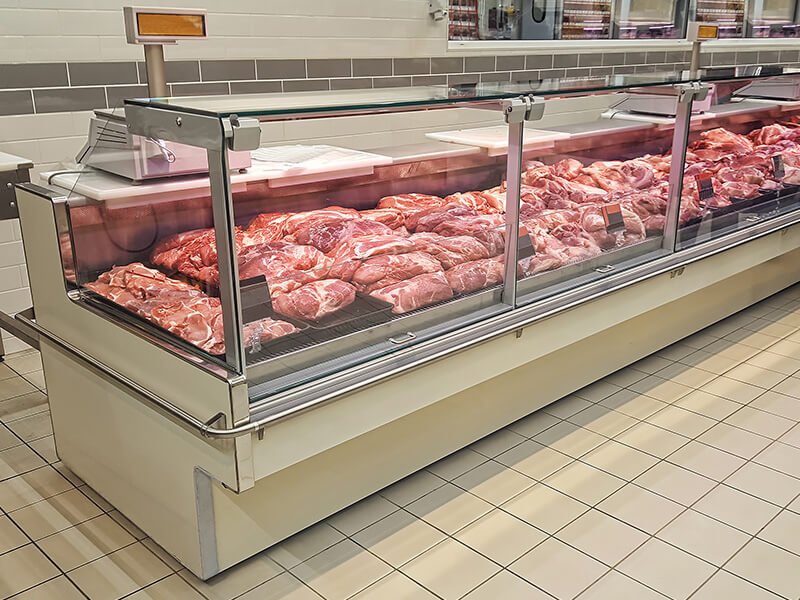
For a meat processor, Meat Freezers are part of the production system, not simply a way to store stock. The right setup protects raw and finished meat, extends shelf life, and keeps output dependable without allowing costs to spiral. Temperatures must remain stable through the demands of each working day; customer trust rests on that consistency—just as a Cake Freezer must hold steady temperatures to protect delicate baked goods.
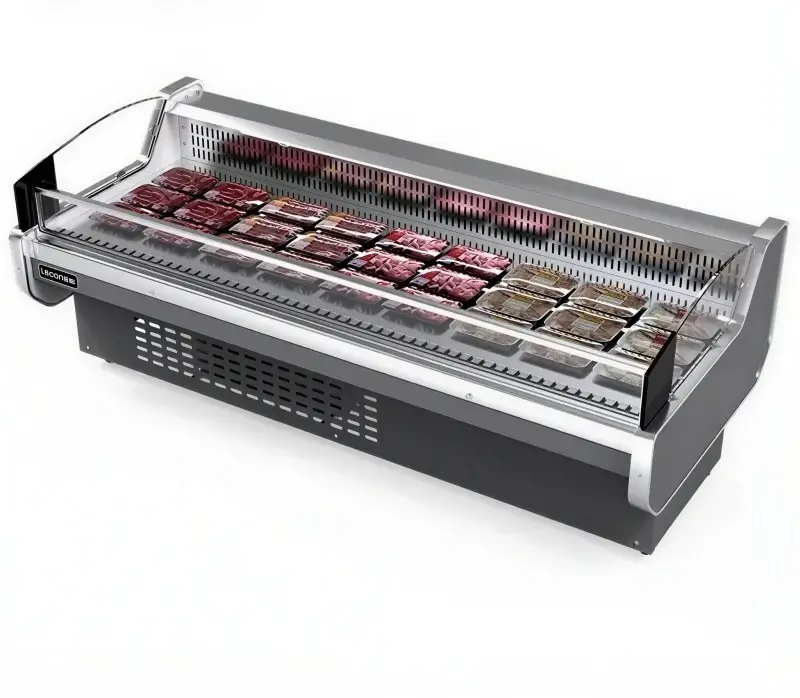
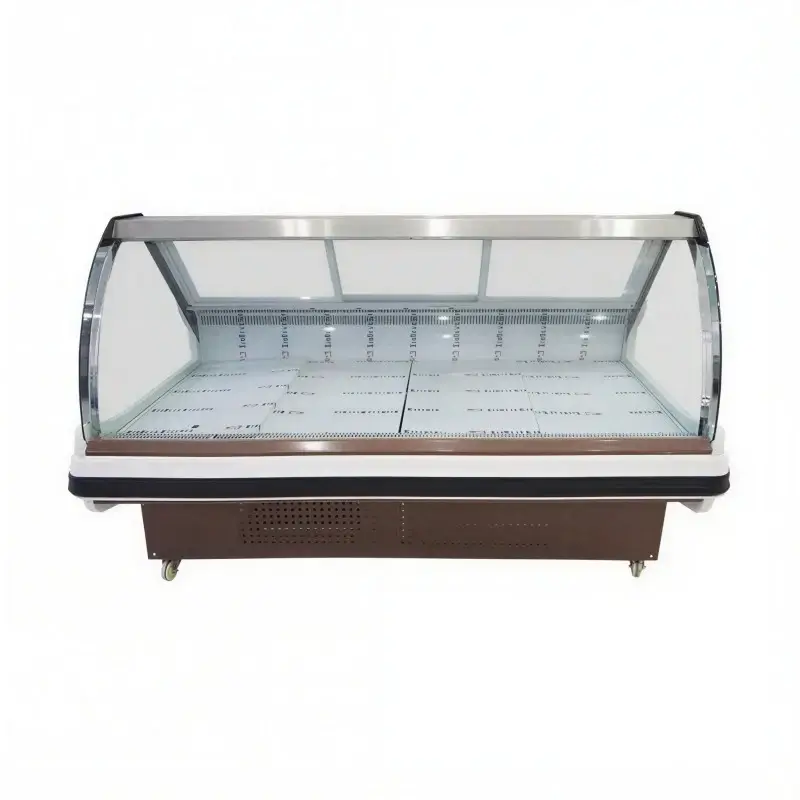
Commercial freezers take a beating that household models rarely face. In butcher shops, restaurant kitchens, processing plants, and distribution centers, staff open the doors repeatedly, load the shelves with heavy products, and clean the equipment under strict sanitation requirements. Through all that use, the freezer still has to maintain steady, dependable operation.
Choose a freezer based on the products you keep, the available space, and how frequently staff will access it. Chest models hold more inventory in a smaller footprint, but upright units make items easier to find. When reliability and capacity matter, commercial equipment often proves worth the cost over time.
Why Freezing Performance Matters in Meat Processing
Meat spoils quickly when temperatures fluctuate. A brief lapse in refrigeration can change its texture and color, pull out moisture, and lower its quality. Every time it is handled or moved into storage, contamination becomes another possibility.
A Meat Freezer Must Hold Steady Under Real Workload
A professional Meat Freezer keeps the temperature steady under controlled conditions. Commercial facilities need that reliability because crowded storage, constant door openings, and uneven cooling can push a household freezer beyond its limits.
Steady Freezing Protects Quality and Cuts Waste
Steady freezing helps meat, seafood, and processed foods last longer while preserving much of their texture, color, flavor, and moisture. It also reduces waste caused by freezer burn and temperature changes.
Reliable Cold Makes Inventory and Supply Predictable
Inventory becomes easier to predict, and staff can follow food-safety procedures more reliably. Processors can supply wholesale, retail, and foodservice customers with greater confidence.
Reliable freezing also gives production teams a clearer schedule. They can prepare larger batches, store them safely, and ship products as demand appears instead of rushing to sell everything immediately.
Commercial Freezers Are Built for Demanding Workloads
A home freezer might be opened only a handful of times a day. Workers in a meat-processing plant may open theirs repeatedly while preparing and shipping products, so the equipment must handle much heavier use.
Engineered for Constant Daily Use
Commercial freezers are built for constant daily use, with sturdier cabinets and longer-lasting parts. Their cooling systems are designed for professional kitchens and workplaces where a failure can halt production and raise costs.
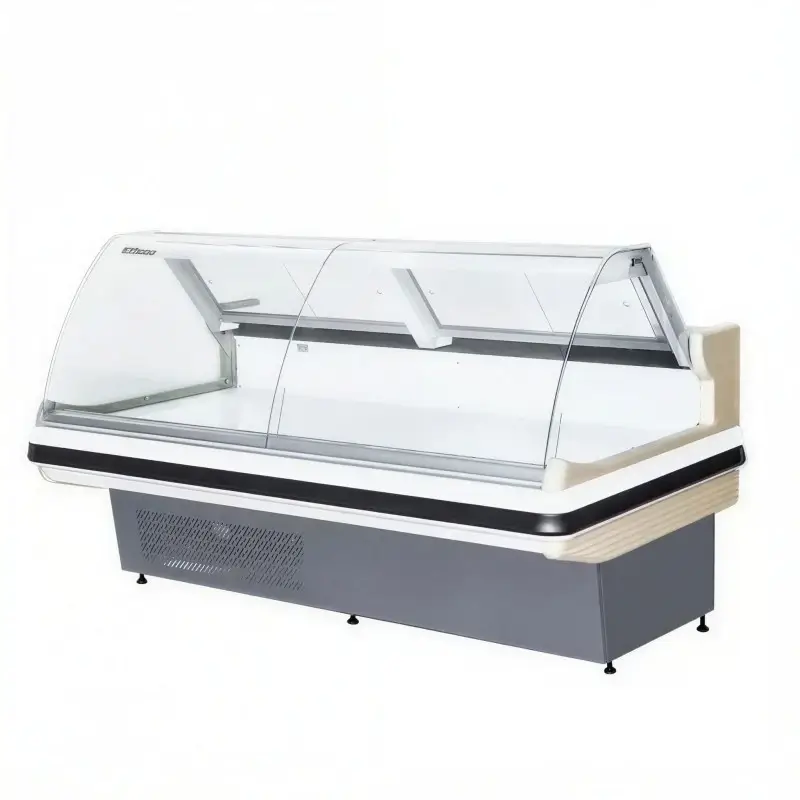
Scales With Growing Processing Volumes
As processing volumes rise, a commercial unit becomes easier to work in. Staff can arrange packages by product type, batch, date, or customer order rather than filling whatever space happens to be available. That cuts handling time and makes stock rotation easier.
Features That Matter Most in a Processing Unit
A meat-processing unit needs more than storage capacity. Two features matter especially:
| Feature | Benefit for Meat Processors |
| Stable temperature control | Protects product quality and food safety |
| Heavy-duty insulation | Limits cold-air loss and helps reduce energy use |
| Durable exterior construction | Withstands frequent commercial use |
| Flexible storage space | Accommodates packages of varying sizes and changing product volumes |
| Easy-clean surfaces | Make routine cleaning and sanitation simpler |
| Reliable door or lid seals | Keep warm air out |
| Clear internal organization | Makes stock checks and product retrieval faster |
Choose equipment for how it performs each day, not just for its purchase price. A cheaper unit can cost more over time if weak insulation, cramped storage, or frequent maintenance become ongoing problems.
Choosing Between a Chest Freezer and an Upright Design
Meat processors generally choose between chest and upright freezers. Either can work well; the right option depends on the facility’s storage setup and how frequently employees need access to the products.
How a Chest Freezer Holds Cold and Handles Bulk
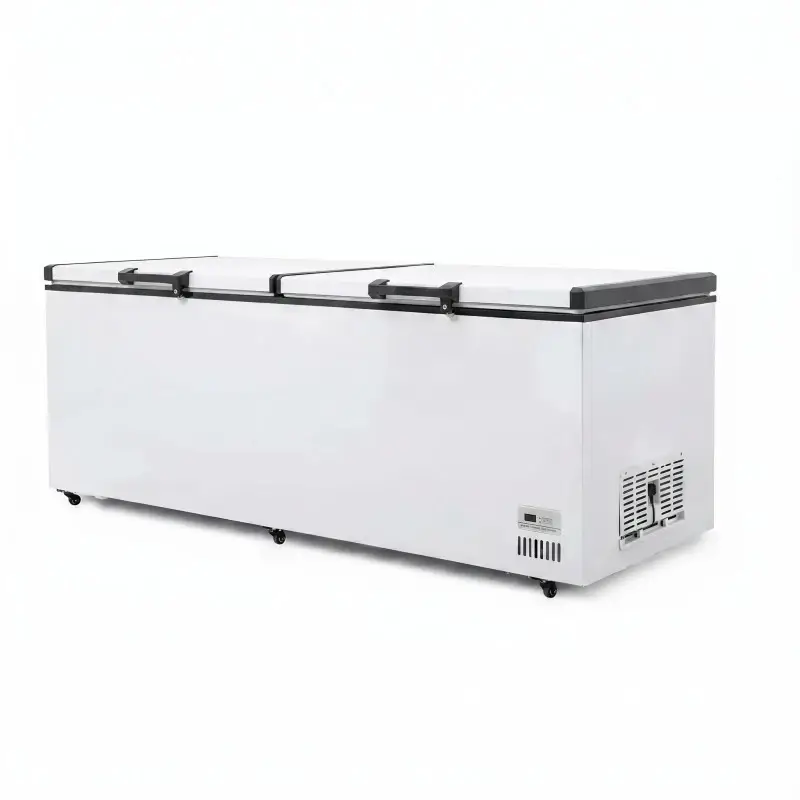
A chest freezer has one deep compartment and a lid that opens from the top. Because cold air stays inside when the lid is raised instead of falling out, the freezer may consume less energy. Its large interior suits bulk groceries, big packages, boxed meat, and food you can store without sorting through it piece by piece.
Best Fits for Chest Freezers — and the Organizational Trade-Off
They’re commonly used by butcher shops storing large cuts, restaurants that buy meat in bulk, and small processors or businesses carrying seasonal stock with limited refrigeration. These units fit facilities that need extra space and reliable temperature retention.
The trade-off is organization. Reaching a package buried at the bottom may require shifting several others, but clear labels, baskets, dividers, and routine inventory checks keep the hassle under control.
Why Upright Freezers Suit Frequent Access
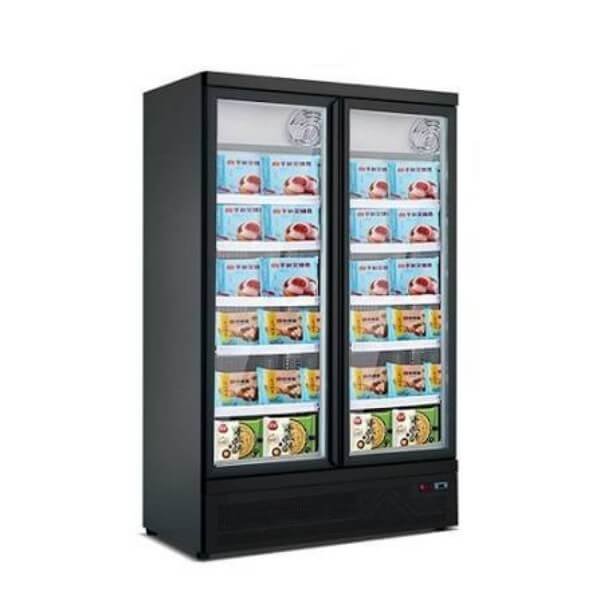
Upright freezers keep food in a tall cabinet divided by shelves or compartments, making it easy for staff to find and remove individual products instead of searching through a frozen pile. They suit facilities that access stock often or carry many stock-keeping units.
A Commercial Upright Freezer is a practical choice when floor space is tight, and products need to stay separated and easy to reach. Shelves can be organized by cut, size, processing date, or customer order.
Chest Storage Versus Upright Storage
The better format depends on how much you need to store, how often you access it, how well it holds temperature, and how much room you have:
| Consideration | Chest Design | Upright Design |
| Bulk capacity | Handles large quantities particularly well | Capacity varies with cabinet size |
| Product access | Items at the bottom can be difficult to reach | Items are generally quick and easy to access |
| Temperature retention | Cold air settles inside, so temperature retention is usually strong | Opening the door can let out more cold air |
| Floor space | Needs enough clearance for the lid to open horizontally | Takes up less floor area but requires more vertical space |
| Stock organization | Usually requires baskets or dividers | Shelves keep items apart more easily |
| Best application | Better for bulk or long-term storage | Well suited to frequent picking and mixed inventory |
Chest freezers usually offer more room and maintain a steadier temperature. Upright units make sorting and reaching items simpler, which is why some meat processors keep both: reserve inventory goes in the chest freezer, while the upright holds what they use for daily production.
When a Large Chest Freezer Makes Business Sense
As meat processors expand, freezer space can fall behind. Walk-ins fill up, so products get placed in equipment meant for brief storage, while temporary units stay in use well past their intended lifespan. Inventory becomes harder to track, and every extra move raises the chance of an error.
Buy and Process in Bulk Without Displacing Regular Stock
A large chest freezer lets a business buy and process meat in bulk without squeezing out its usual stock. Keeping it separate also protects supplies from everyday handling and helps prevent raw ingredients from being confused with finished orders.
Situations Where the Extra Capacity Matters Most
That capacity matters most during planned production runs and for wholesalers or food-service companies supplying several customers at once. It also helps retail butchers handle seasonal demand and gives facilities extra frozen storage when peak periods strain their regular space.
Rated Capacity Is Not Usable Capacity
A freezer’s stated capacity can be misleading. Boxes and other packaging take up room, while air must circulate and staff needs enough space to remove products safely. Pack it too tightly and cooling suffers. Choose a model with practical space for orderly storage, not one that barely fits the current inventory.
Plan for Growth, but Price the Spare Capacity Honestly
Future demand matters too. If sales keep rising, buying a somewhat larger unit now may cost less than replacing undersized equipment later. But spare capacity has a price: it occupies space and uses energy.
Better Temperature Control Helps Protect Product Quality
Meat keeps its texture best at a steady temperature. Letting it thaw and freeze again makes it release more liquid later and can leave the texture damaged. Freezer burn may appear too, especially if air reaches the meat through the packaging.
What the Equipment Handles — and What It Cannot
A commercial unit protects its contents by maintaining a stable internal temperature. Insulation, tight door seals, and even airflow reduce the effect of outdoor temperature changes, though staff still need to load the cabinet as the manufacturer directs.
Loading and Storage Habits That Keep Cold Air Moving
Keep vents and air passages clear while restocking, and add warm products slowly instead of overloading the unit.
● Before storage, seal and label every package.
● Inspect door and lid seals regularly; repair or replace any that are damaged or leave gaps.
●Follow the manufacturer’s instructions when removing frost, and record temperatures at the required intervals. When appropriate for the stock, move older items forward so they get used first.
The Result Comes From Doing It Every Time
None of this is difficult; the result depends on doing it every time. The freezer provides the equipment, while careful handling preserves the stock.
Food Safety and Traceability in Commercial Meat Storage
Cold temperatures alone do not make meat storage safe. Processors must also control how products are handled, monitor storage conditions, prevent cross-contamination, and keep accurate records.
Prevent Cross-Contamination With Clearly Marked Zones
A commercial freezer designed for this purpose can divide inventory into clearly marked areas. Raw poultry should be kept separate from red meat, while finished products need distance from incoming materials. Allergen-controlled goods also require their own storage space, apart from regular stock. Labels, assigned containers, shelving, and color coding make these boundaries easier for employees to maintain.
Traceability Starts With Complete Package Labels
A reliable freezer-storage system makes every product easier to track. Each package or carton should show what it contains, the cut, processing or packing date, batch or lot number, weight or quantity, intended customer or destination, and recommended use-by information.
What Good Labeling Earns You in Practice
Good labeling lets staff find the correct product quickly during reviews or recalls. It also makes stock rotation easier and helps prevent older inventory from remaining in the freezer too long.
The Freezer Supports the Program — It Does Not Replace It
A commercial freezer does not replace a documented food safety program. It supports day-to-day compliance only when the equipment is maintained, employees are trained, cleaning is consistent, temperatures are checked, and the results are recorded.
Energy Efficiency and Total Cost of Ownership
Freezers often run around the clock, so meat processors need to track their energy consumption carefully. The initial price is only one expense. Over time, electricity, maintenance, repairs, spoiled product, and how often the unit must be replaced can cost much more.
Equipment Design Sets the Energy Baseline
Good insulation and a well-designed refrigeration system can lower energy consumption. Tight door seals help too, as do controls that hold the target temperature without switching the compressor on and off unnecessarily. Still, the appliance itself is only half the story; installation and everyday use matter just as much.
Placement and Daily Habits Do the Rest
Processors can lower operating costs by placing the freezer away from ovens, direct sunlight, and other heat sources. Keep the vents clear for airflow, and open the doors or lids only when needed.
●Keep products neatly arranged.
●Clean the condenser areas as recommended, replace damaged gaskets promptly, and check energy use against temperature changes.
The Lowest Advertised Energy Use May Not Fit Your Facility
The freezer with the lowest advertised energy use may not be the right choice. If its size matches the facility’s capacity and how often staff open it, it may consume less power than a smaller model that runs constantly.
Reliability Is Part of the Cost Equation
Reliable operation protects the bottom line. When a freezer maintains the right temperature, products stay usable, costly emergency transfers are avoided, and the facility can keep running as planned. For processors holding high-value inventory, saving a single large batch of meat could pay for dependable equipment.
Designing a More Efficient Meat Processing Workflow
The freezer may be costing the business in ways that are easy to miss. Moving heavy cartons across the facility takes time and energy, especially when staff must work around machinery or hunt for poorly organized stock. Handling slows, and labor costs rise.
Map the Flow from Arrival to Dispatch
Meat moves through a clear sequence: staff inspect it on arrival, then send it for processing, packaging, frozen storage, and dispatch.
Record the batch, supplier, and temperature details. Handle the product as required—portion it or pack it—then add the correct labels and storage dates. Put it in the designated frozen-storage area, keep inventory easy to locate, and fill orders according to stock rotation and dispatch times.
Position Each Freezer Where Its Task Happens
Put the chest freezer beside the bulk-storage area. For a packing or order-picking station, an upright freezer might be a better fit. If the storage space has multiple zones, use the same labeling system throughout so staff can locate products quickly.
Fit the Equipment to the Work
The building will shape certain details, but the basic rule remains: choose a freezer that fits the work instead of making the operation adapt to unsuitable equipment.
Maintenance Practices That Help Equipment Last
Regular maintenance helps protect both freezer performance and the money invested in the equipment. Meat-processing plants expose freezers to grease, moisture, dust, packaging debris, and repeated washdowns. Without proper care, a unit can use more power, work less effectively, and fail sooner.
Build a Basic Inspection and Cleaning Routine
A basic maintenance routine means checking the doors, lids, handles, seals, temperature displays, and alarms regularly, while cleaning both the inside and outside of the unit. Clear away ice when needed, and keep the vents and condenser areas free of obstruction. Unusual noises or temperature changes warrant attention; if performance declines, contact a refrigeration technician promptly.
Train Staff on Approved Methods and Keep Records
Employees should use the approved cleaning methods and avoid anything that could harm the seals, electrical parts, or interior. Keep maintenance records as well; they may expose recurring problems before an expensive breakdown occurs.
Check Temperature Often and Act on Sudden Shifts
Check the freezer temperature often. If it shifts unexpectedly, the door seal may be damaged, air may not be circulating, the unit could be too full, power may have cut out, or the cooling system may have a fault. Catching the problem early gives staff time to protect the stock and call for repairs before the freezer fails.
Choosing the Right Commercial Meat Freezer
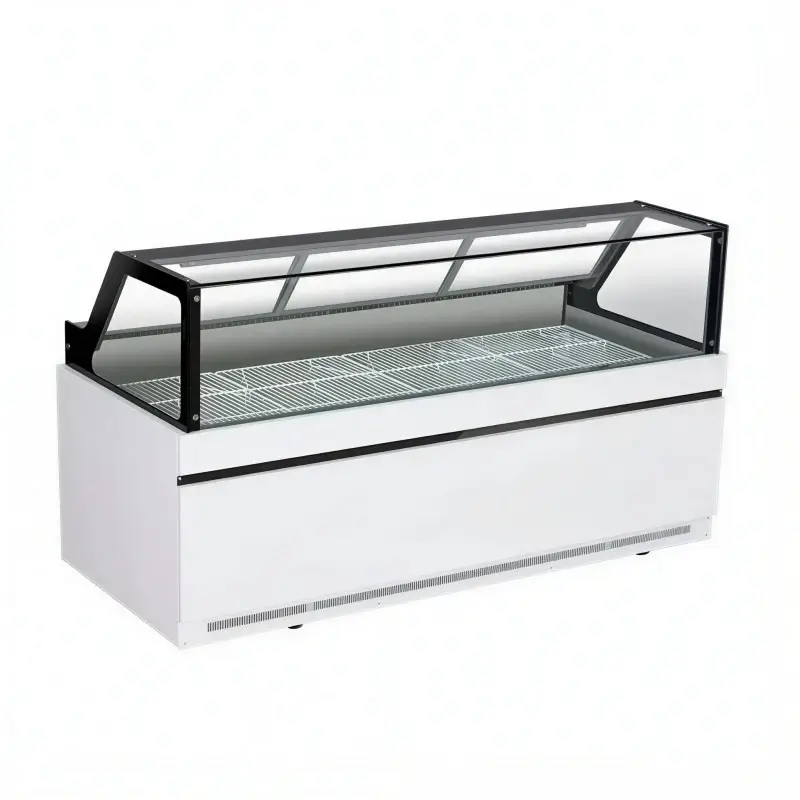
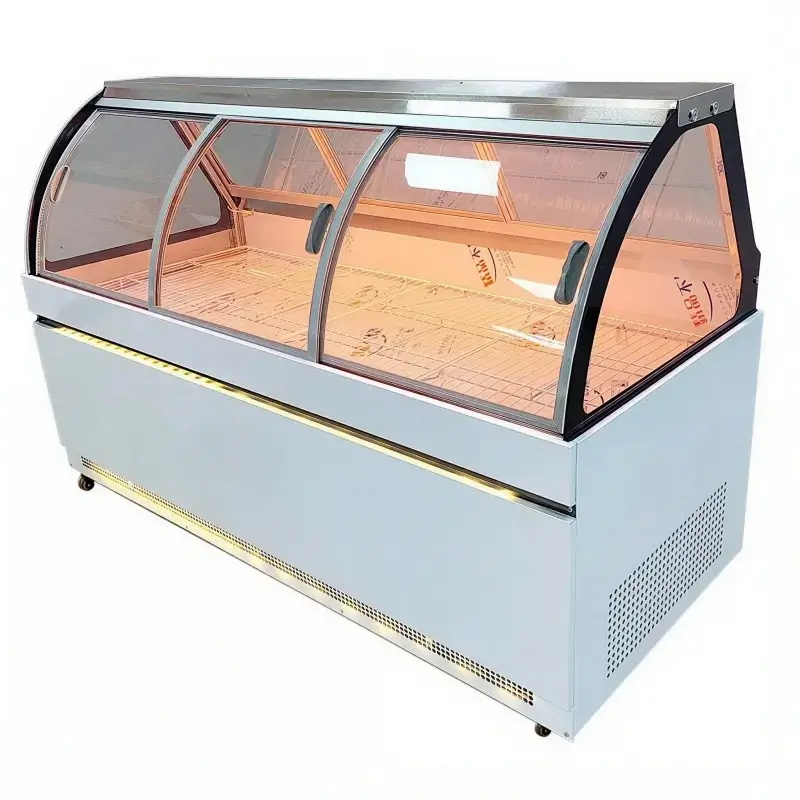
Look beyond the freezer’s listed dimensions. The right choice depends on how the business will use it each day. Estimate the amount of frozen meat, in kilograms or cartons, that needs storage, then allow for the additional space required during peak seasons. Also consider how often staff will open the unit and how quickly they must retrieve its contents.
Run This Checklist Before You Order
●Will it handle oversized boxes as well as single packages?
●Is there enough room on the floor, and is the ceiling high enough?
●What electrical supply and installation does the unit require?
●Can staff access it easily for cleaning and maintenance?
Does the supplier provide technical support and replacement parts? Will the freezer be compatible with our current temperature-monitoring procedures?
Decide Between Chest and Upright by How Often You Reach In
Businesses storing large amounts for extended periods often get more value from chest freezers. Upright models make more sense when employees need to find and remove different products regularly. When both needs exist, using one of each may be the simplest option.
Judge the Supplier and the Whole Life Cost
The supplier needs careful attention, too. A dependable manufacturer will clearly explain how the equipment works, state the operating and warranty conditions, and offer useful help when problems arise. Commercial refrigeration is expensive, so judging a unit only by how it performs at first is a mistake; ongoing maintenance and repairs must be affordable and practical as well.
Conclusion
Meat processors depend on commercial freezers to keep production on schedule. Consistent temperatures preserve product quality, and enough orderly storage cuts labor demands while preventing waste.
The right freezer depends on how much food needs to be stored, how often workers retrieve it, and what the products require. Chest freezers hold substantial quantities, whereas upright models make sorting and access quicker. Larger facilities often use both.
A freezer by itself cannot carry the whole job. Staff must label food accurately and rotate stock, while also checking temperatures, loading the unit correctly, cleaning it, and fixing minor faults before they turn into costly breakdowns. Done consistently, these habits keep stored meat safer, reduce waste and repair costs, and give processors a more stable path for growth.
FAQ
Q1: What size commercial meat freezer does a small processing business need?
The right size depends on how much meat the business produces each day, how much backup stock it keeps, the package sizes, and seasonal rushes. Leave room between packages so cold air can circulate; an overcrowded freezer will not cool properly.
Q2: Is a chest freezer better than an upright freezer for bulk meat storage?
In most cases, yes. Chest freezers hold more meat and lose less cold air, though upright models make individual packages much easier to locate.
Q3: How can processors cut commercial freezer operating costs?
Start with the basics: keep the door seals clean and intact, and make sure the ventilation areas stay clear. Select a freezer suited to the workload, leave space for air to circulate, and open the door only when necessary.