
The Straight Answer Before the Details
Why LEDs Outperform Fluorescents
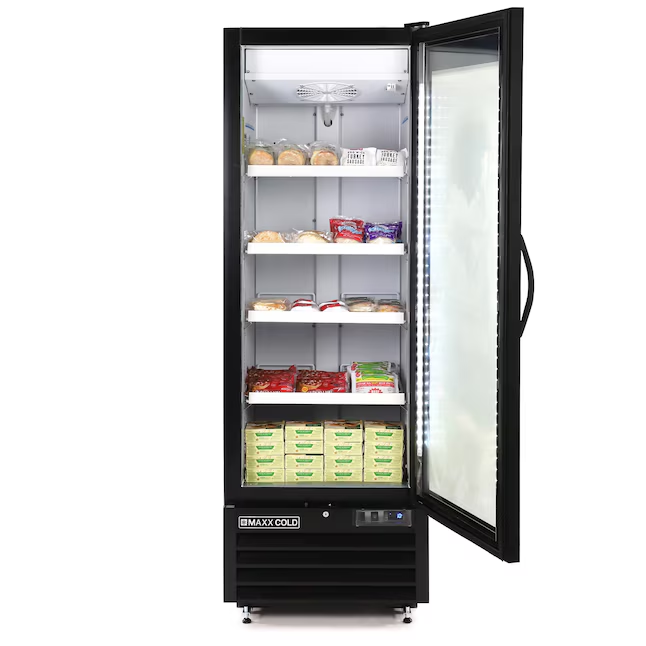
Yes, LED lighting in an ice cream freezer display attracts more customers. This is not merely marketing hype: sales data, customer dwell time, and the appearance of products in social media photos all point to an effect. Retailers that swap outdated fluorescent tubes for modern LEDs almost always report a noticeable rise in sales during the first month.
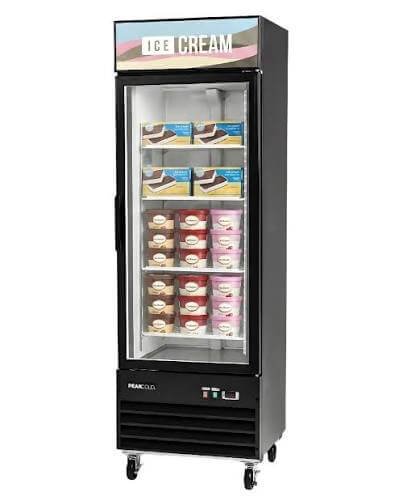
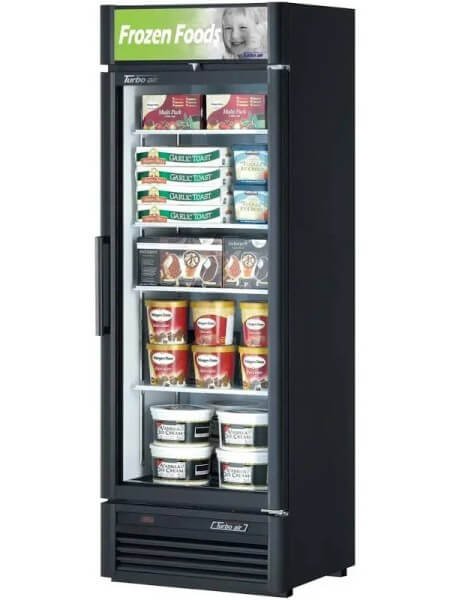
The reason is simple: ice cream is sold visually. Its color, texture, and packaging help attract buyers, yet lighting determines how clearly those features come through. When the light is poor, the product can lose its premium appearance. Good lighting turns the freezer into a display case.
Three Effects LEDs Deliver That Fluorescents Cannot
- Accurate color reproduction helps each flavor appear as it should
- Even illumination keeps dark corners from forming
- Full brightness is available right away, without a warm-up delay
Any one of these effects can improve the shopping experience. Together, they help explain why LED lighting is now standard in nearly every modern ice cream freezer display.
Why Lighting Changes Buying Behavior
The Three-Second Rule
Frozen-category decisions happen fast. Across retail eye-tracking studies, shoppers consistently spend under three seconds scanning a freezer before choosing an item or moving on. In that short interval, lighting shapes what they notice first.
Bright lighting in the ice cream freezer section can draw shoppers’ attention from across the aisle. A person who might have walked past could pause, glance over, and open the freezer. That brief hesitation matters: sales start with attention, and effective lighting helps capture it.
The Psychology Behind Bright Displays
Bright, consistent lighting can make products look fresher and more upscale. People respond instinctively rather than rationally, drawing on the way food quality is judged. Dim displays invite caution, while brighter ones can stimulate appetite. Retailers who understand this use lighting in their merchandising instead of leaving it to the technical side.
Comparing LED with Older Lighting Options
Freezer lights vary in how well they perform
| Lighting Type | Color Accuracy | Energy Use | Lifespan | Cold Performance |
| Modern LED Strip | Excellent | Low | 50,000+ hours | Excellent |
| Fluorescent T5 | Moderate | Medium | 15,000 hours | Poor in cold |
| Fluorescent T8 | Fair | Medium | 12,000 hours | Very poor |
| Incandescent | Warm but weak | High | 1,000 hours | Poor |
| Halogen Spot | Good | Very high | 2,000 hours | Generates heat |
Reading the Table with Retail Eyes
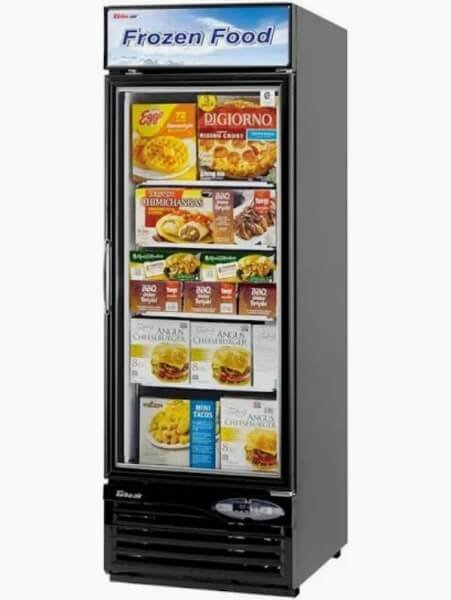
Cold-weather performance matters more than many buyers might expect. When temperatures reach freezer levels, fluorescent tubes may lose a substantial amount of brightness, in some cases producing just half of their rated output. LEDs, by contrast, stay bright as the interior temperature shifts. As a result, a Single Door Display Freezer equipped with LED strips keeps a consistent appearance from opening time through closing.
Where Lighting Placement Matters Most
Getting the Placement Right
Installing LEDs is only one part of the job. Where they go affects how much of the potential sales lift customers actually experience; even high-quality fixtures may underperform if their placement is poor.
A few layout decisions usually matter most:
- Strips mounted at the top, casting light down over the full product face
- Vertical accent strips placed along the door frame of premium units
- Place indirect lighting behind the glass edges to reduce glare
- Warm white lighting in the 3500K–4000K range works well for ice cream displays
- Use cool white above 5000K only with savory frozen goods
Cream-based products look more appealing under warm white light. Cool white may give them a clinical appearance, so the color temperature matters more than the brightness figure listed on the spec sheet.
The Glare Problem Most Stores Ignore
Bright LEDs pointed toward customers can cause glare, and that glare can cost sales. Shoppers instinctively look away from harsh lighting, along with the products positioned behind it. In well-designed ice cream freezer display units, the LEDs are angled so they illuminate the product without shining into shoppers’ eyes. It is a small detail, but one that sets premium equipment apart from budget options.
The Numbers Behind the Upgrade
Measurable Gains That Pay Off Fast
LED lighting does more than change the look of a space. The investment can be recouped through several measurable gains:
- Energy savings of 40 to 60 percent compared to fluorescent tubes
- Lower maintenance costs, since the bulbs last longer
- Reduced heat output, easing the compressor’s workload
- Sales increases ranging from 10 to 25 percent, depending on the category
- Better product photography for social media and delivery apps
Energy savings alone often cover the cost of the upgrade within two years. Any additional sales then count as pure profit. Once the results from one pilot location are clear, operators with multiple stores usually roll out the LED upgrade company-wide.
Why Delivery Apps Changed the Math
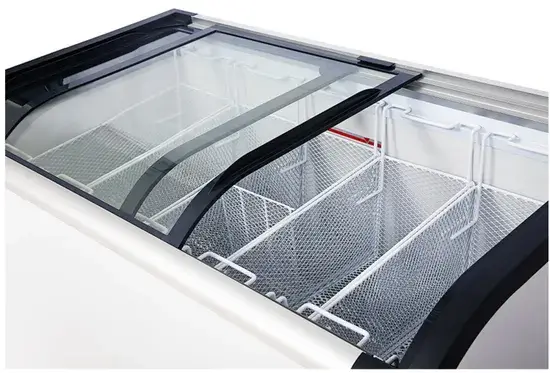
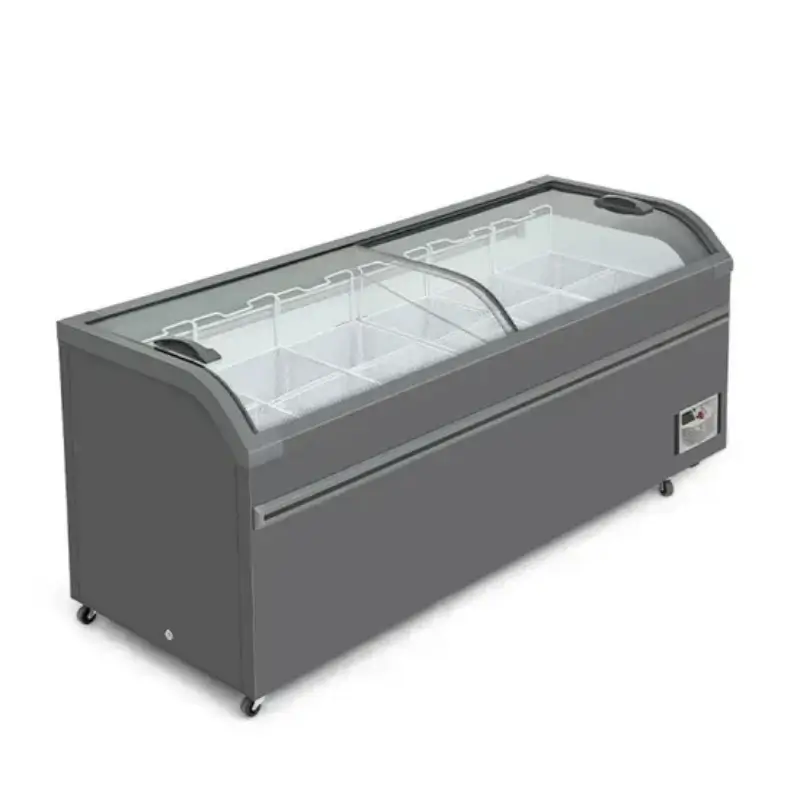
Third-party delivery platforms often feature product photos shot inside the store, where fluorescent lighting does little to flatter what it captures. LED lighting makes those images cleaner and more accurate, potentially improving conversion on delivery apps. Retailers therefore have a practical reason to upgrade their lighting; the same logic applies to a glass-top island freezer used for seasonal or promotional displays.
Practical Advice Before Making the Switch
Not every LED upgrade delivers the promised results. A few checks before you buy can help prevent disappointment.
- Choose fixtures designed for freezer temperatures, not general commercial use
- Check that the color rendering index (CRI) is 80 or above
- Make sure the color temperature fits the product category
- Confirm that the driver is protected against condensation
- Ask suppliers for photos of actual installations rather than renders
Generic LED strips bought from low-cost suppliers often fail within a year in freezers. The initial savings may disappear as replacement costs accumulate. Over five years, buyers who spend slightly more on freezer-rated LEDs almost always come out ahead.
Final Thoughts on Lighting as a Sales Tool
LED lighting is one of the few upgrades capable of increasing sales, cutting costs, and making the customer experience better at the same time. Retailers that still rely on fluorescent tubes in frozen-food sections lose money every day. The change may not seem glamorous, but its return is tangible and measurable.
FAQ
How long does LED lighting typically last inside a freezer environment?
LED strips designed for freezer use typically last between 40,000 and 50,000 hours. In comparison, inexpensive consumer-grade LEDs may fail within a year under constant exposure to cold and moisture.
Does LED color temperature really affect ice cream sales?
Yes. Warm white lighting between 3500K and 4000K makes cream-based products appear more appealing, while cooler tones may make them look artificial and lessen their appeal to customers.
Can LED strips be retrofitted into existing fluorescent freezers?
Usually, yes, and the investment is often paid back quickly. Confirm that the voltage matches, and use components designed for freezer conditions. Without those precautions, condensation may lead to premature failure.