
Common Buying Mistakes
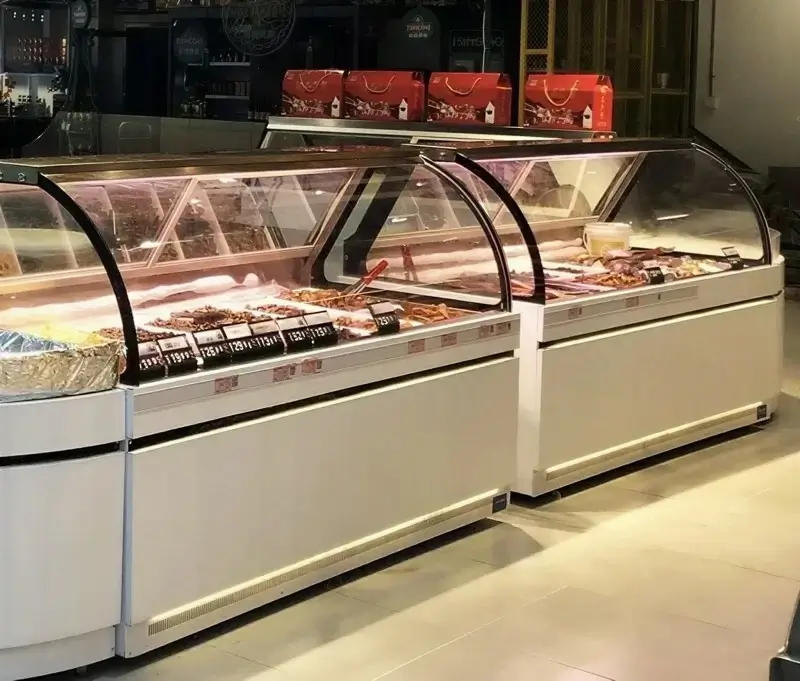
Many businesses rush to buy display equipment without first considering what they truly need. The lowest initial price can end up costing more over time, particularly when frequent repairs and spoiled products follow. Temperature consistency also tends to be overlooked, even though some refrigeration units fail to maintain stable conditions. Low-quality glass can make products harder to see and do little to attract customers, while an interior that has not been planned well may waste a large portion of the available display space. Identifying these issues in advance can help businesses avoid costly replacements and gain more value from their investment in Commercial Refrigerator equipment.
5 Essential Features
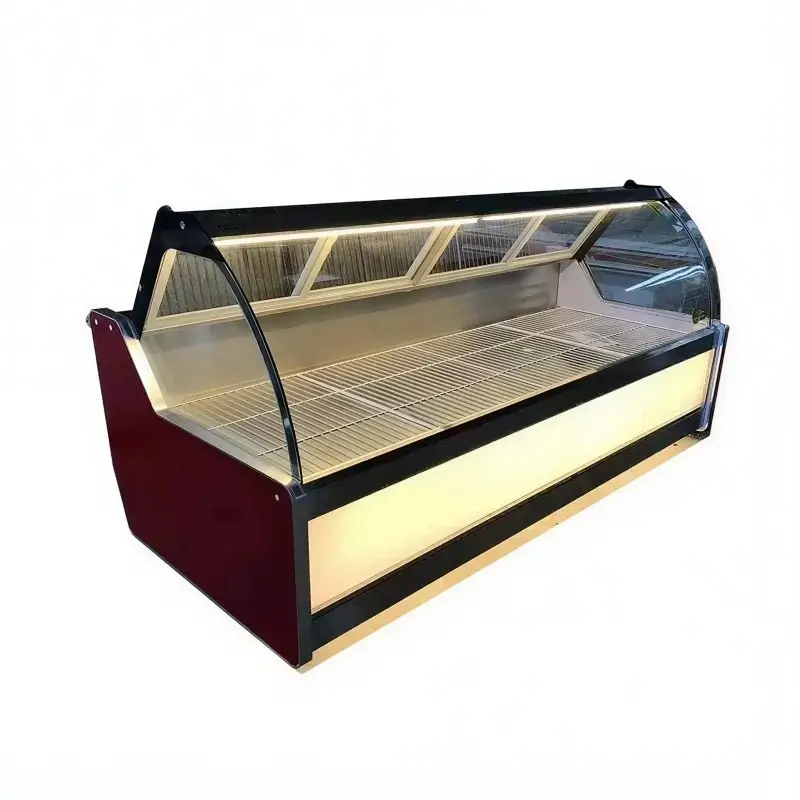
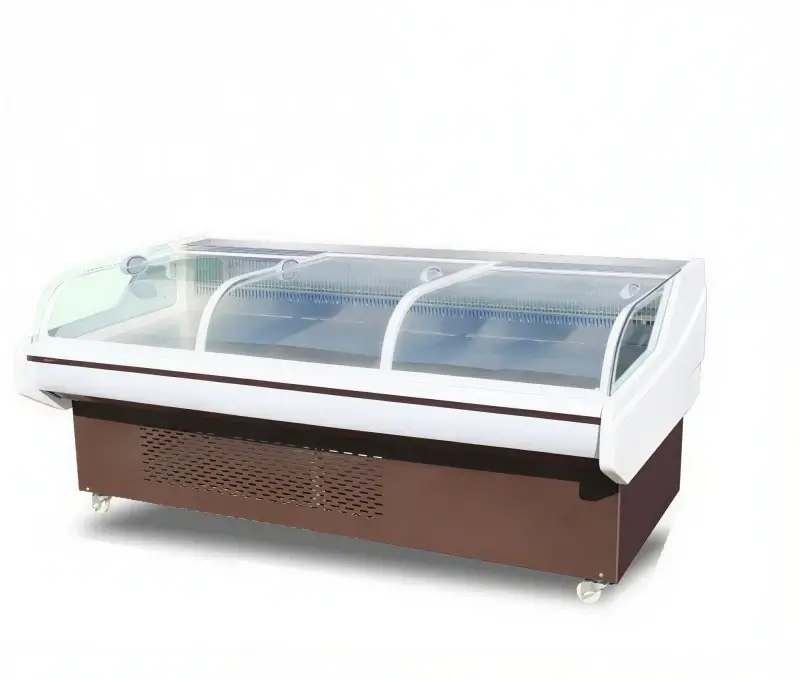
Selecting the right display equipment requires careful attention to the features that influence product preservation and sales performance.
Accurate Temperature Control
Temperature stability is among the most noticeable differences between premium units and basic models. A quality meat display refrigerator should maintain a consistent temperature from 32°F to 40°F, with as little fluctuation as possible. Multiple sensors, working with digital thermostats, help keep cooling even across the display areas. In more advanced systems, automatic defrost cycles prevent ice from building up without creating temperature spikes. Businesses should also look for audible alarms that warn of temperature deviations; during a power problem or mechanical failure, those alerts can help protect the inventory.
High-Visibility Glass
Clear displays can encourage impulse purchases in retail environments. Multi-pane insulated glass reduces condensation, helping products remain visible during operating hours. When the store gets busy, anti-fog coatings prevent moisture from accumulating and obscuring the view. LED lighting behind low-emissivity glass can draw attention to meat products without generating excess heat. The glass still has to be thick enough for effective insulation, but not so heavy that the door mechanisms cannot support it.
Food-Grade Corrosion-Resistant Material
Interior surfaces must withstand regular cleaning with commercial sanitizers. Stainless steel resists rust and bacterial growth while maintaining a clean appearance over time. Coated-aluminum shelving provides durability without the weight of solid steel. Drain systems made from corrosion-resistant materials reduce the risk of clogs and bacterial contamination. In humid conditions, food-grade gaskets create airtight seals, retain temperature, and resist mold.
Flexible Interior Layout
Adjustable shelves accommodate products of varying sizes and support different display arrangements. Because the trays and bins slide out easily, cleaning and rearranging the unit take less effort. Angled shelves keep products visible to customers, while hanging racks use vertical space for larger cuts without limiting air circulation. On higher-quality units, the layout can be changed quickly, with no tools required, when inventory needs shift.
Energy-Efficient Build
Over a unit’s lifespan, operating costs can have a substantial effect on profitability. High-density insulation reduces compressor runtime as well as energy consumption. Variable-speed compressors adjust their output to match cooling demand, rather than cycling on and off repeatedly. LED lighting uses 75% less energy than traditional fluorescent alternatives and gives off very little heat. An Energy Star certification indicates that the unit meets verified efficiency standards, potentially resulting in lower utility bills.
Meat Display Refrigerator vs. General Fridge
Understanding the difference between specialized and general refrigeration can help businesses select equipment with more confidence.
Specialized Temperature Settings
General refrigeration units lack the precise temperature control needed to store fresh meat. Designed for protein products, dedicated meat display refrigerators maintain a much narrower temperature range. Standard fridges may fluctuate by 5–10°F during defrost cycles; specialized models hold those changes to 2°F or less. They also control humidity, reducing surface drying without promoting bacterial growth. General-purpose refrigerators cannot maintain that balance.
Retail-Focused Display Design
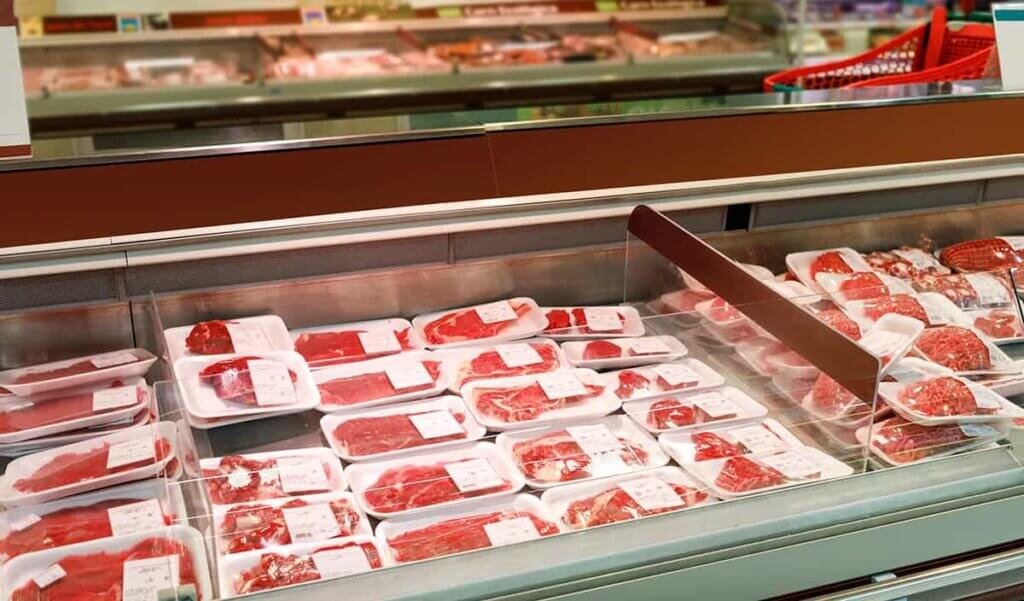
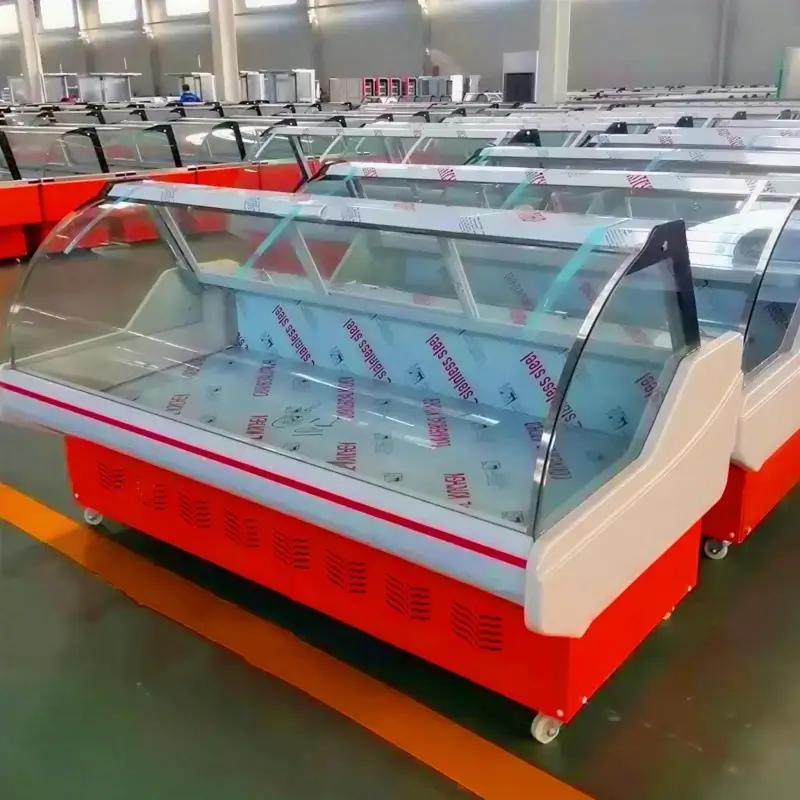
Generic refrigeration is designed mainly to maximize storage density, not to showcase the products inside. Meat display equipment takes a different approach, with angled shelves and strategically positioned lighting that emphasize freshness and quality. Some specialized units also feature glass arrangements that limit reflections, allowing customers to see the products more clearly from multiple angles. Even the interior color matters: meat refrigerators use shades chosen to enhance the product’s appearance, while general-purpose units usually stick with neutral tones that are less effective for retail presentation.
Long-Hour Operation
Commercial display equipment operates continuously under conditions that can overwhelm residential or standard food-service units. Reinforced compressors and commercial-grade fans handle frequent door openings, bringing the temperature back to its set point without long delays. During busy retail periods, heavy-duty hinges and self-closing mechanisms help maintain efficiency. Certain specialized models include backup systems and alarms as well. General refrigerators typically lack these features, which help protect valuable inventory during extended operating hours.
Business Value of These Features
Premium features deliver measurable business results, which can help justify higher upfront investments.
Less Spoilage with Precise Temperature Control
Temperature fluctuations accelerate bacterial growth and product deterioration. Compared with standard refrigeration, stable cold-chain temperatures can extend shelf life by 30-40%. That reduction in spoilage can improve profit margins by limiting write-offs and markdowns. In reported cases, precise temperature-control systems have paid for themselves within 12-18 months through waste reduction alone.
Boost Impulse Sales with High-Visibility Glass
Customers are more likely to buy products they can see and judge at a glance. Retail studies indicate that premium glass can increase impulse purchases by 25-35% by improving visibility. Keeping displays free of condensation helps products stay appealing throughout operating hours; otherwise, they can begin to look neglected, which weakens customer confidence. With clear glass and well-planned lighting, refrigeration units become active selling tools rather than simple storage spaces.
Lower Operating Costs with Energy-Efficient Build
Energy-efficient systems can reduce utility expenses by 40-50% compared with older equipment models. In retail spaces, LED lighting and efficient compressors produce less heat, easing the demand on HVAC systems. Compressors that run less often also generally last longer, which can lower maintenance costs and reduce spending on unexpected repairs. Environmental certifications may make businesses eligible for utility rebates and tax incentives, helping offset equipment costs.
How to Assess Feature Quality
Careful evaluation can prevent expensive mistakes and confirm that the equipment meets operational demands.
Test Temperature Stability
Ask for a demonstration showing that the temperature stays consistent over several hours. In a normal door-opening simulation, quality units should maintain their setpoint temperatures within ±1°F. Note how long the system takes to recover after the door is opened: premium systems return to the setpoint within 2-3 minutes. If temperature logs are available, check them for deviations or frequent cycling. It is also worth asking whether the warranty covers temperature-control failures, since that may indicate the manufacturer’s confidence.
Check Commercial-Grade Glass
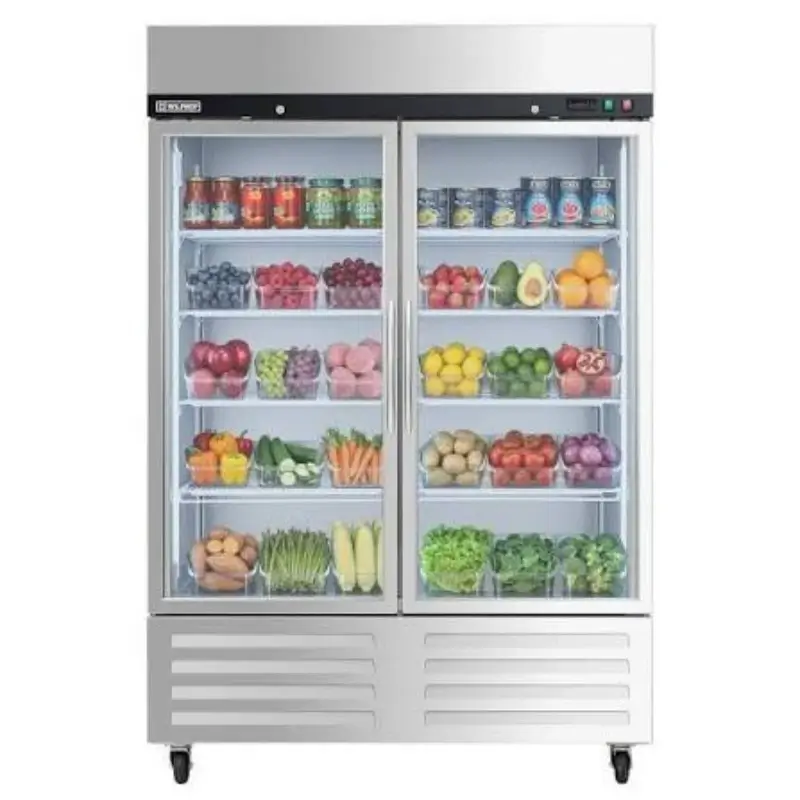
Check the glass thickness and multi-pane construction around the edge seals. Quality Commercial Glass Door Refrigerator models have triple-pane insulated glass filled with argon or krypton gas. Open and close the doors several times; they should move smoothly, with the seals engaging properly. Inspect the glass for optical distortion that might alter the appearance of products. Premium glass should stay clear from edge to edge. Confirm, too, that the panels have UV-protective coatings to prevent yellowing and maintain transparency over years of use.
Verify Food-Grade Certification
Request documentation for NSF or equivalent food safety certifications for every interior material. Examine the welds and joints in the stainless steel construction, checking that they are smooth and free of gaps where bacteria might collect. Gaskets need to stay flexible and compress correctly. High-quality ones resist cracking and remain effective through thousands of opening cycles. Also review the cleaning instructions to confirm that the materials can withstand commercial sanitizers without degrading. Drain systems should include antimicrobial treatments or be designed to prevent standing water from accumulating.
Comparison Table: Feature Quality Indicators
| Feature Category | Basic Quality | Premium Quality |
| Temperature Control | Temperature fluctuates by ±3°F; defrosting is manual | Temperature fluctuates by ±1°F and includes automatic defrosting with alarms |
| Glass Type | Single-pane glass that often develops condensation | Triple-pane insulated glass with an anti-fog coating |
| Interior Material | Painted steel that can rust easily | Stainless steel with NSF-certified, food-grade construction |
| Shelving | Basic fixed shelving with wire racks | Adjustable, tool-free shelving made from coated aluminum or steel |
| Lighting | Heat-generating fluorescent tubes | Energy-efficient LED strips that produce little heat |
| Insulation Thickness | 1.5–2 inches of basic foam | 3–4 inches of high-density polyurethane |
| Compressor Type | Standard on/off cycling | Variable-speed operation that responds to demand |
| Warranty Coverage | One year covering parts only | 3–5 years covering parts and labor, with extended compressor coverage |
Selection Checklist
When assessing equipment options, keep these practical factors in mind:
Space Requirements – Measure the available floor area and ceiling clearance before selecting unit dimensions.
Electrical Capacity – Confirm that the existing electrical service can support the required voltage and amperage.
Product Volume – Calculate daily inventory turnover to determine the display capacity needed.
Access Patterns – Examine customer traffic flow, then select the door configuration that fits best: swing, slide, or pass-through.
Maintenance Access – Allow sufficient clearance for service technicians to reach the mechanical components
Key Decision Factors
Budget Allocation – Compare the upfront investment with operating costs over the equipment’s 7-10 year lifespan
Brand Reputation – Examine the manufacturer’s track record, service network, and parts availability
Local Service – Confirm that authorized providers are within a reasonable distance for emergency repairs
Installation Support – Confirm whether the supplier includes delivery, installation, and initial training in the purchase price
Frequently Asked Questions
Q: What temperature range should commercial meat display refrigerators maintain?
A: Quality units consistently maintain 32-40°F. This range prevents freezing while limiting bacterial growth, helping products remain safe and attractive throughout the display period.
Q: How often should commercial meat refrigerators receive professional maintenance?
A: Have professional service performed at least once every quarter. This routine work should include cleaning the condenser, checking refrigerant levels, inspecting the gasket, and calibrating the temperature. Those steps help prevent unexpected failures during peak business periods.
Q: Can general commercial refrigerators replace dedicated meat display units?
A: Not effectively. General-purpose units lack features essential to meat retail. Dedicated meat refrigerators provide precise temperature control, humidity management, and a design focused on product display. Compared with general equipment, these features significantly reduce spoilage and increase sales.